

Share This Article
From Saturday, June 6th to Sunday, June 14th, from Cheongju to Seoul.
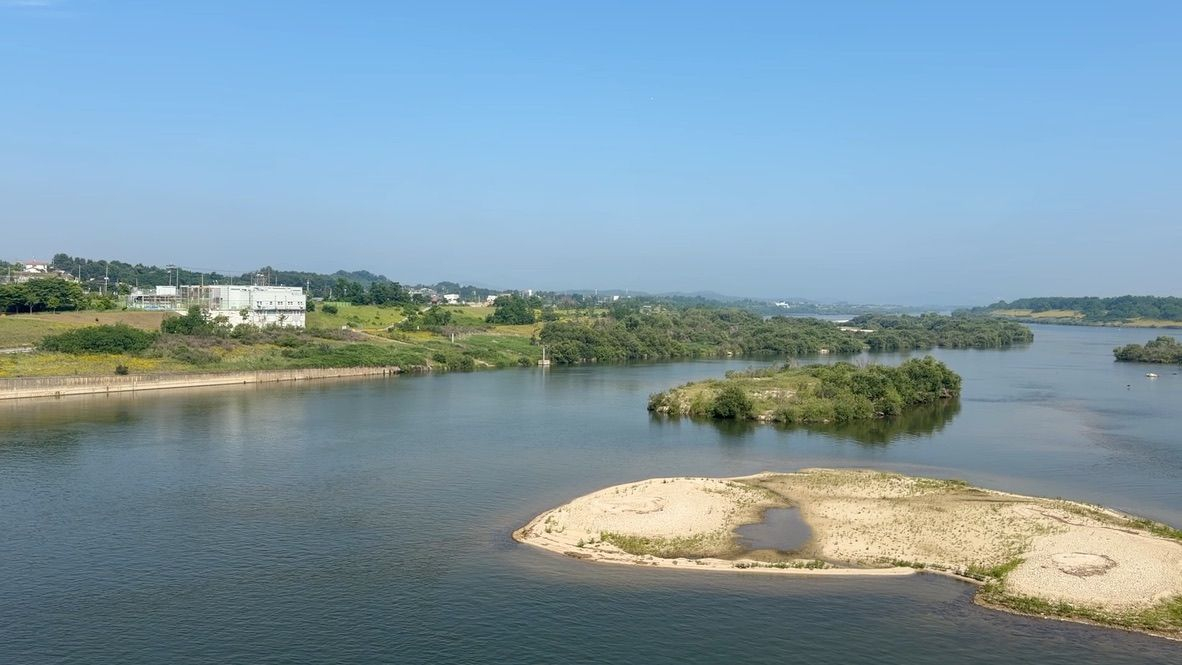
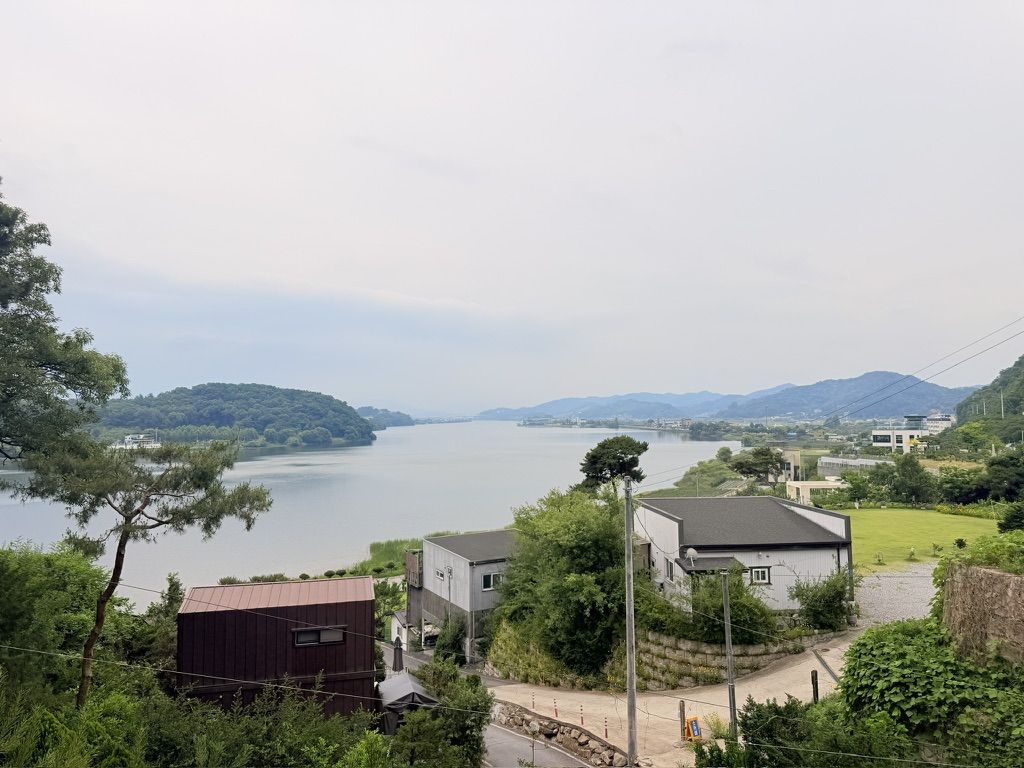
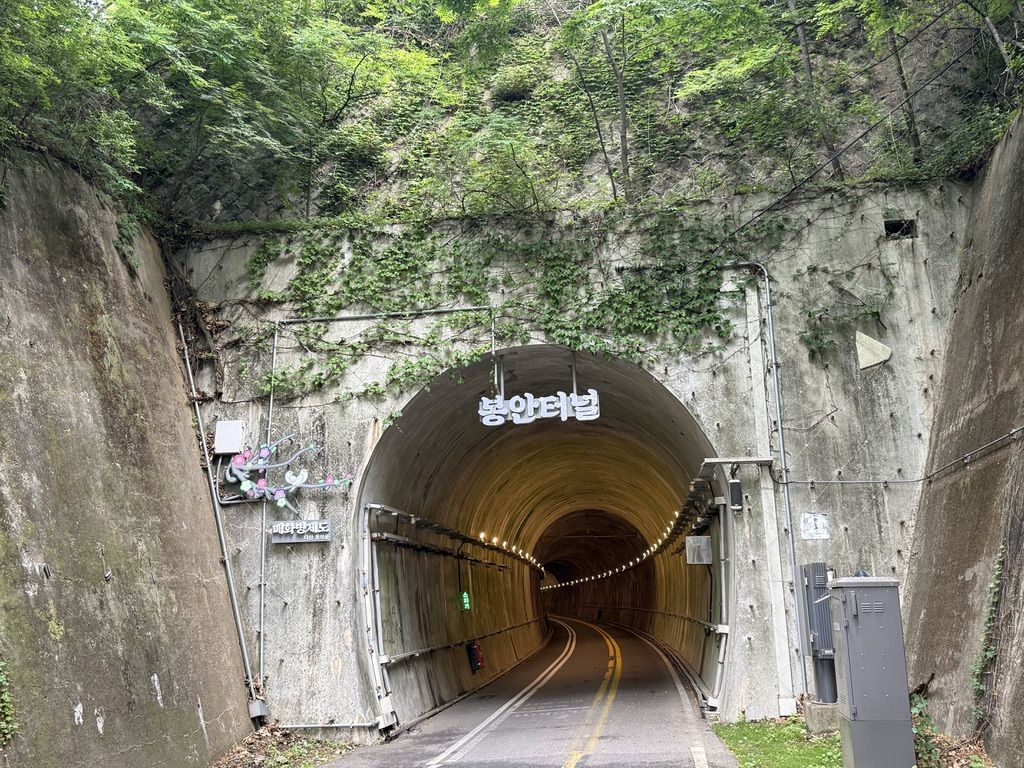
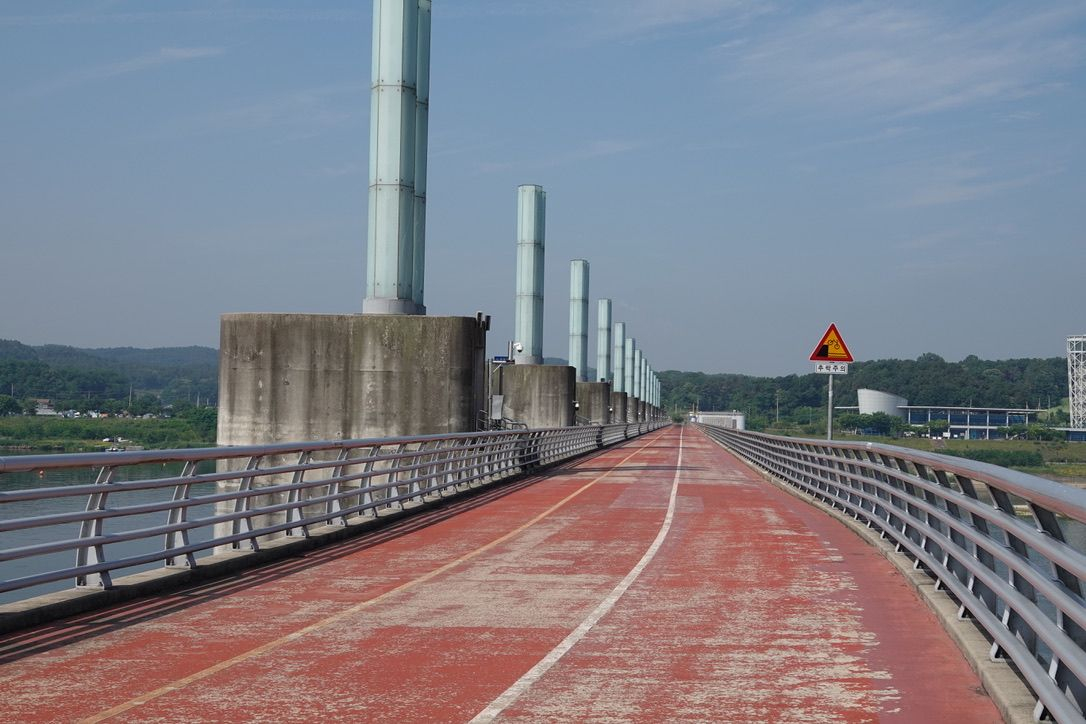
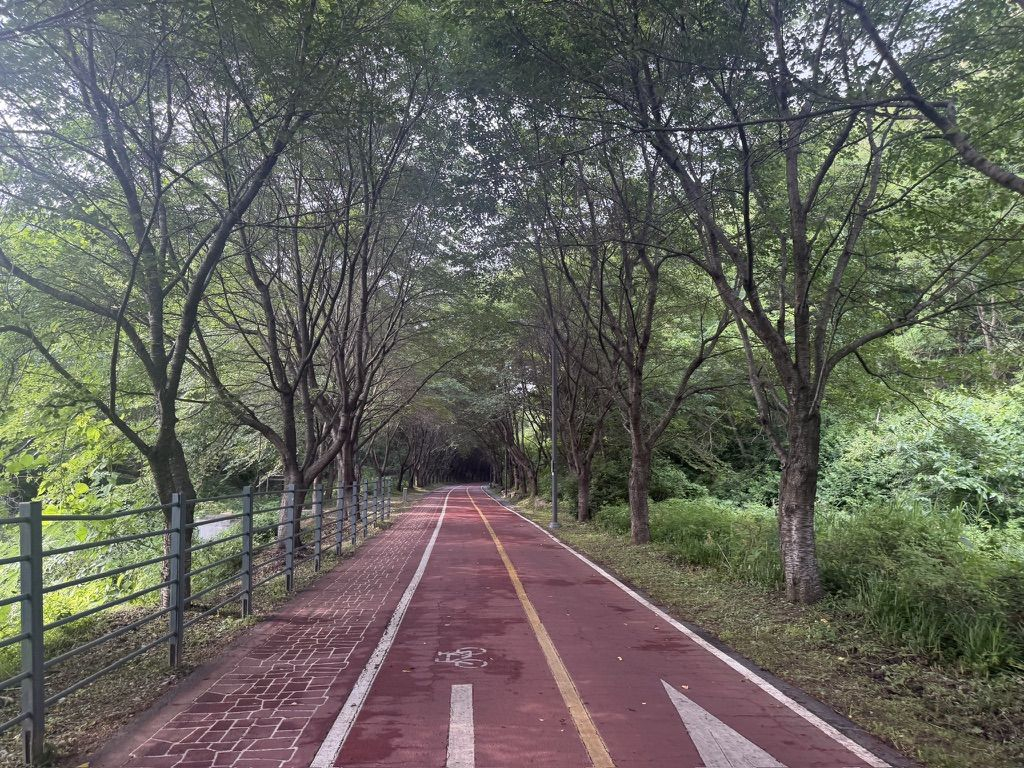
From Saturday, June 6th to 9th, we cycled along the bike path that leads to Seoul, the capital of South Korea. We cycled along the Han River. The scenery was magnificent, and we enjoyed the landscape.
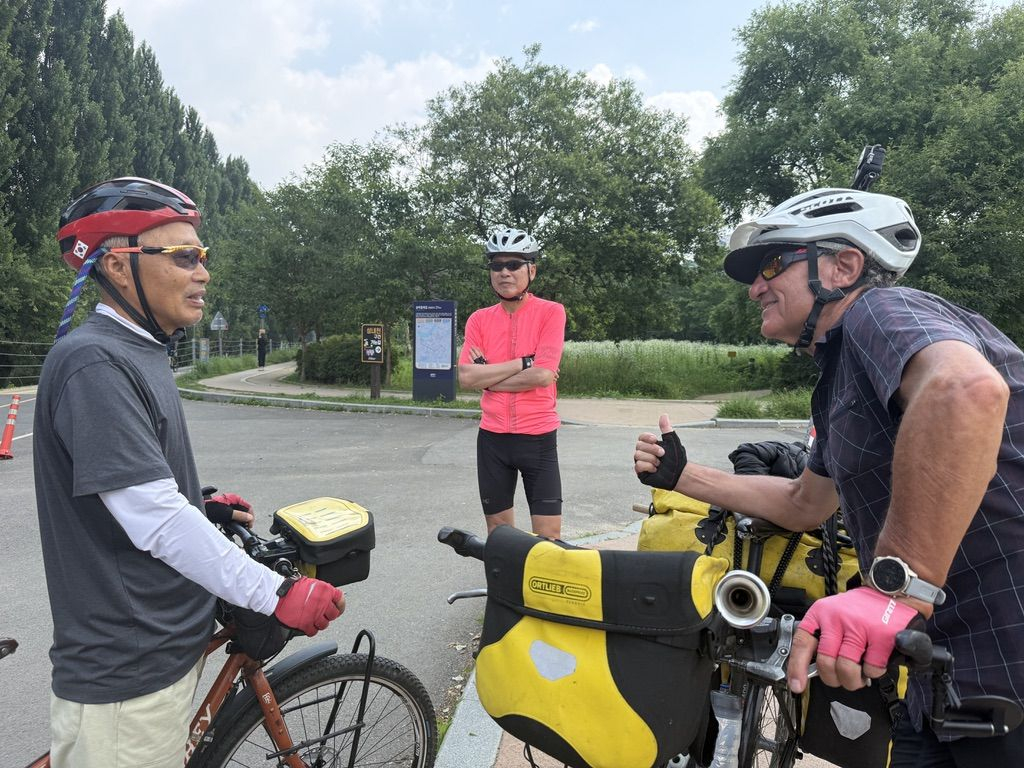
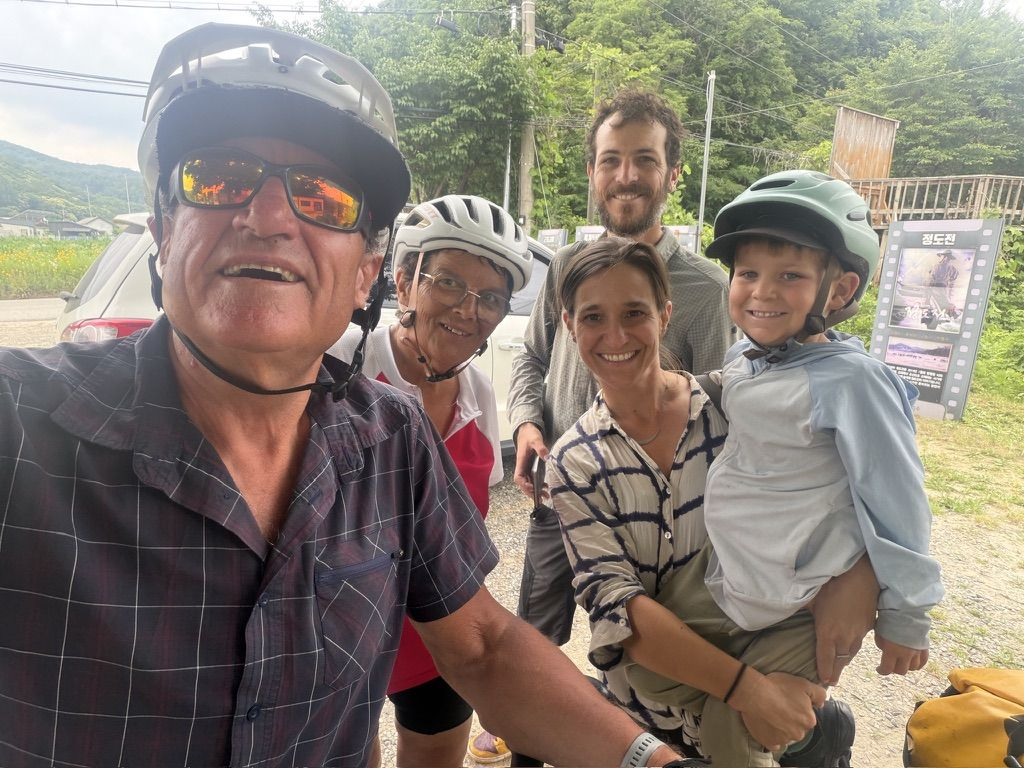
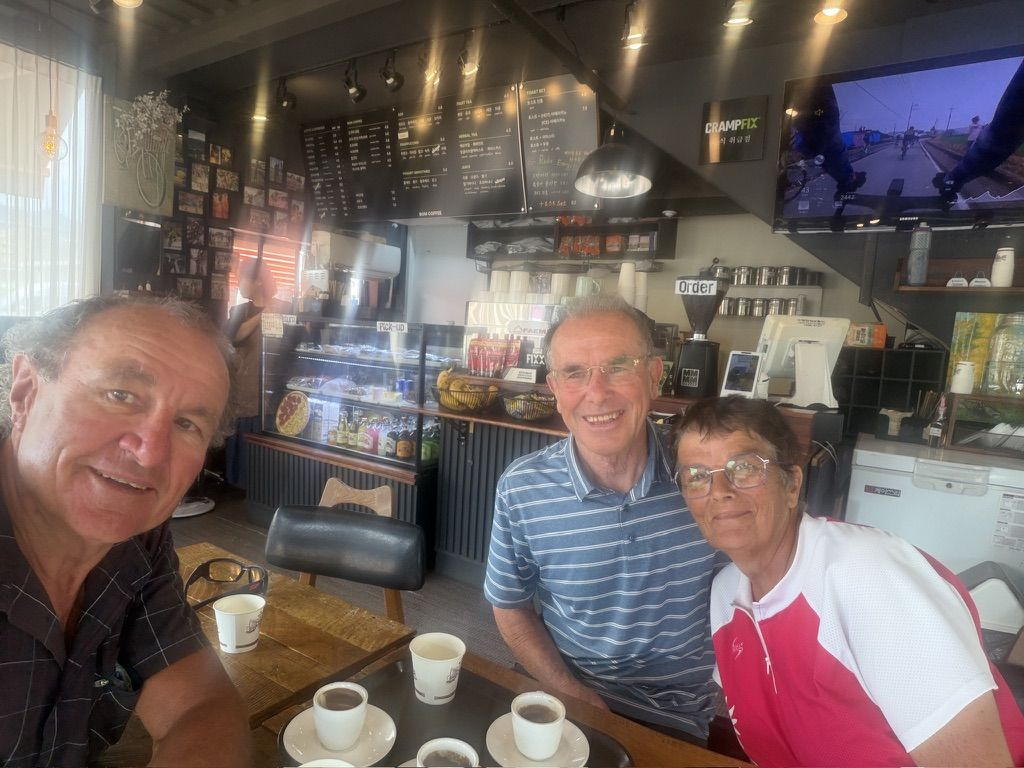
During these three days, nothing significant happened apart from two encounters with French people. First, a couple on bicycles with their 4-year-old son, Mylan. Then, Yves, a Frenchman who has lived in Korea for over 20 years.
Seoul
Wednesday, June 10th, the last day on the track that takes us to the capital, Seoul. The advantage is that the track will take us right to the city center and we’ll be driving away from traffic.
Seoul is a huge city. Including its suburbs, it has 26 million inhabitants, representing half of Korea’s population. Built on both sides of the Han River (called Hangang in Korean), which is up to 1 km wide and crossed by 33 bridges.
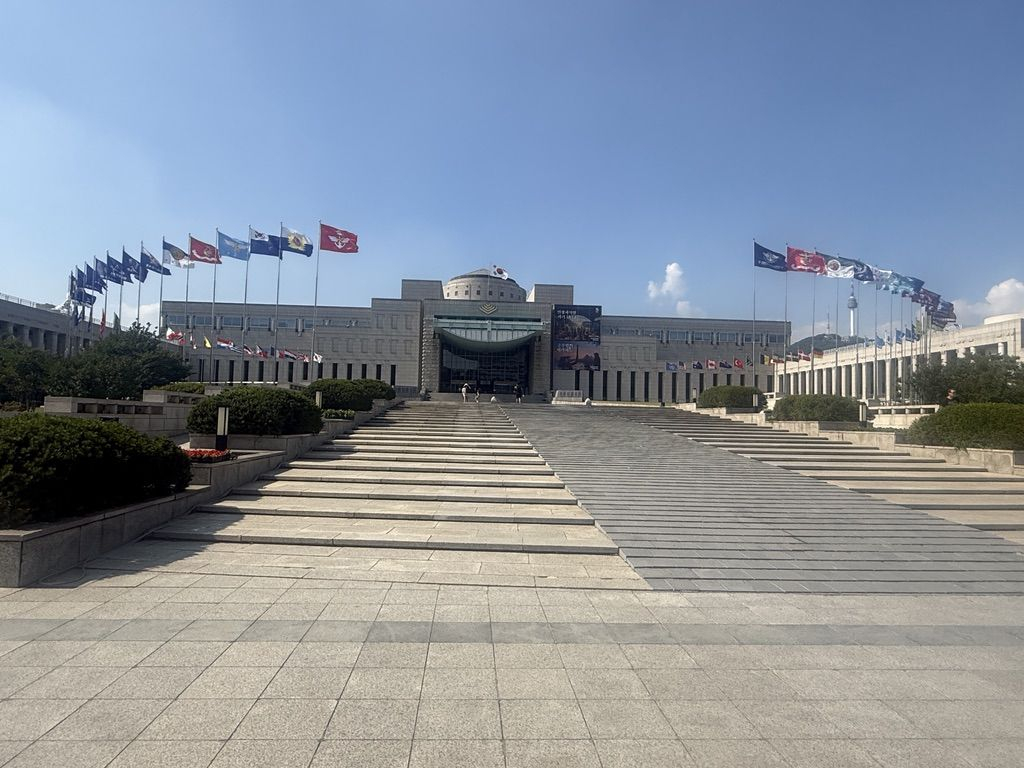
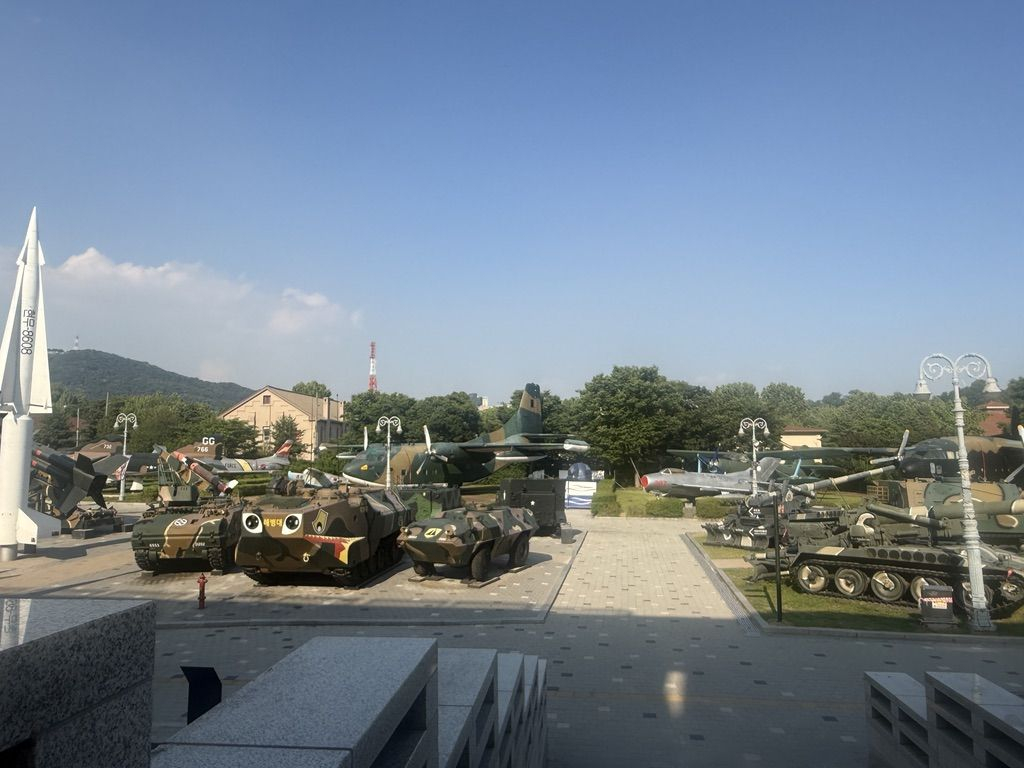
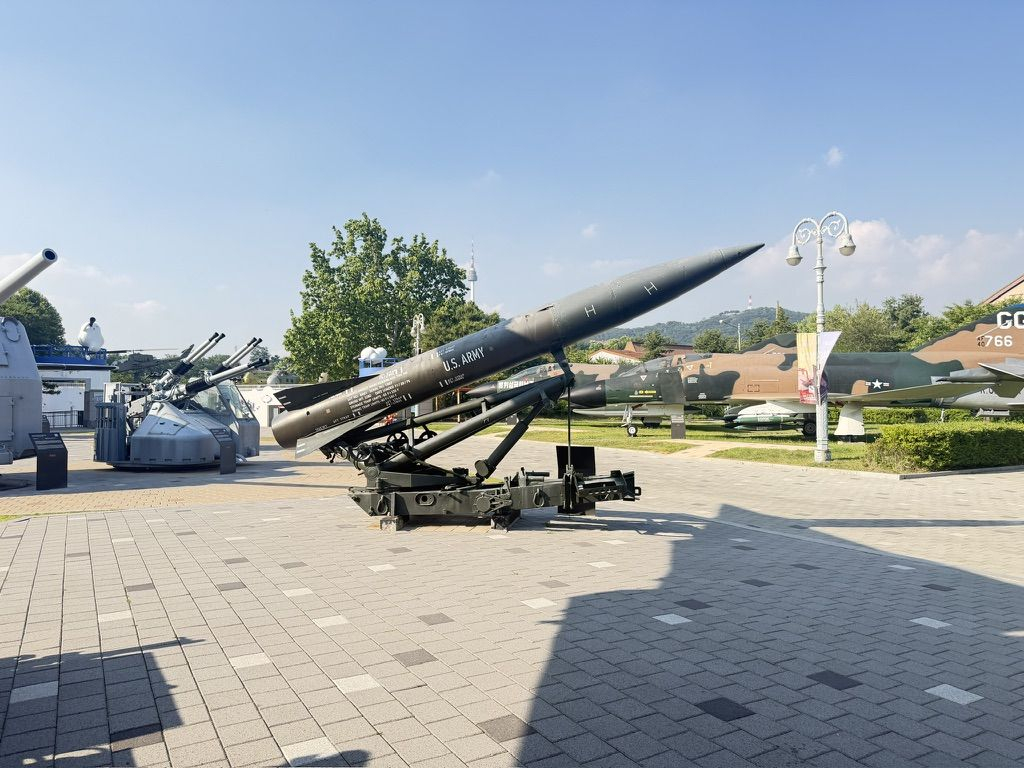
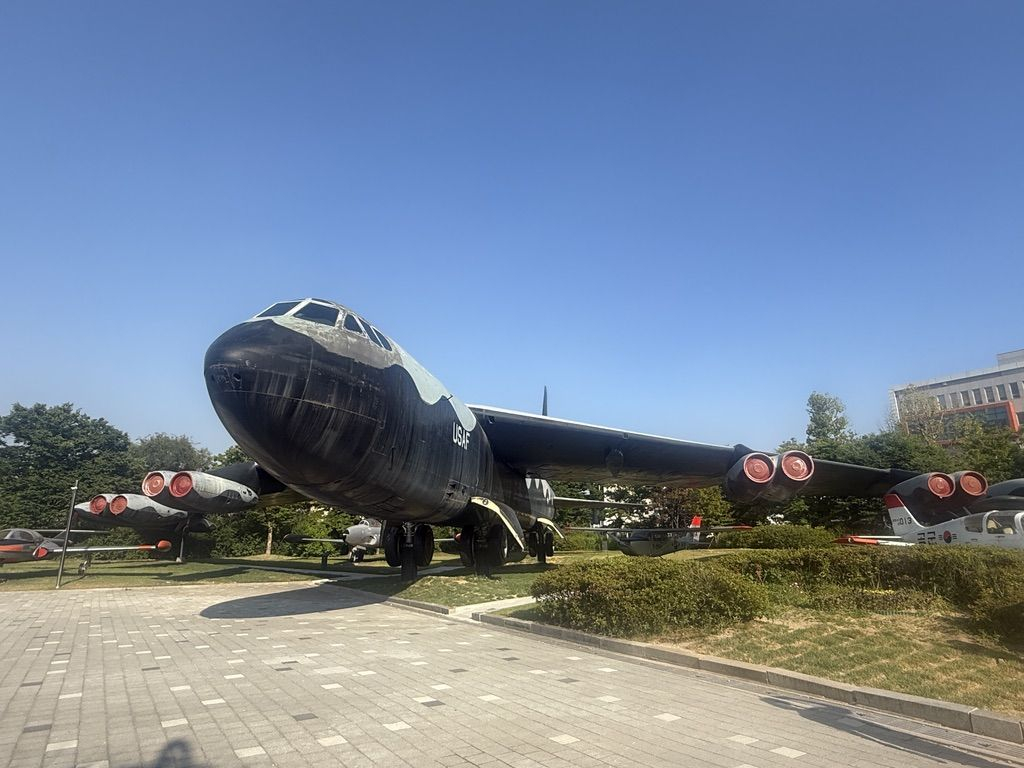
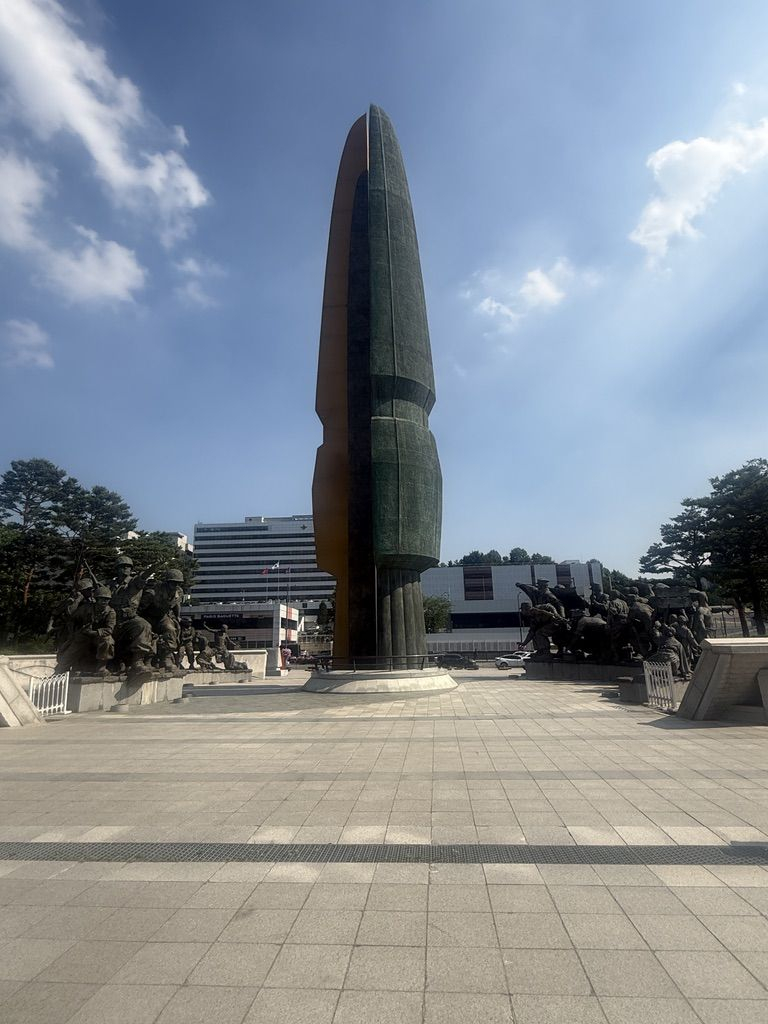
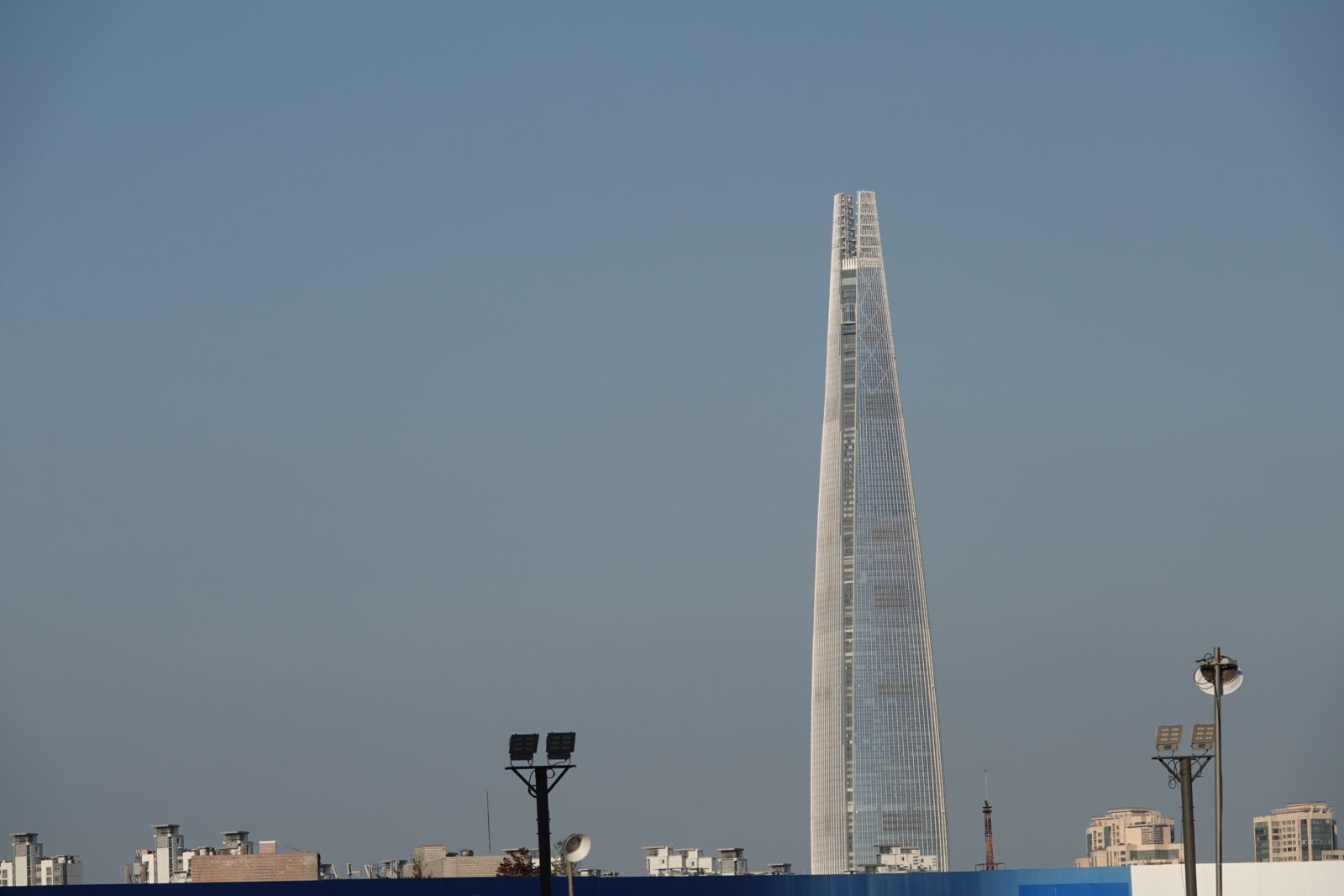
Along the way, we discover the Lotte World Tower, the sixth tallest tower in the world (555 m). On our route, we stop at the Korean War Memorial. It’s immense and recounts the events of this terrible war that took place between North and South Korea. Here, everything has been translated into English.
Gyeongbokgung Palace
In a city like Seoul, during these 4 days, you have to choose which sights to visit. We chose Gyeongbokgung Palace, the Hanok district, and the DMZ.
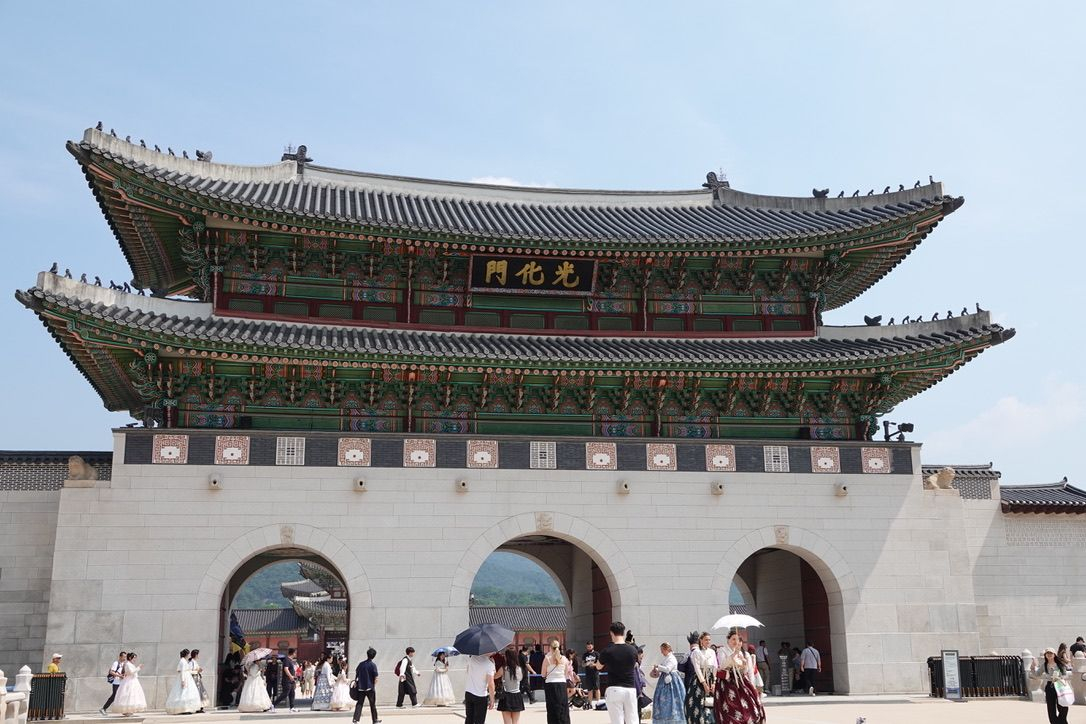
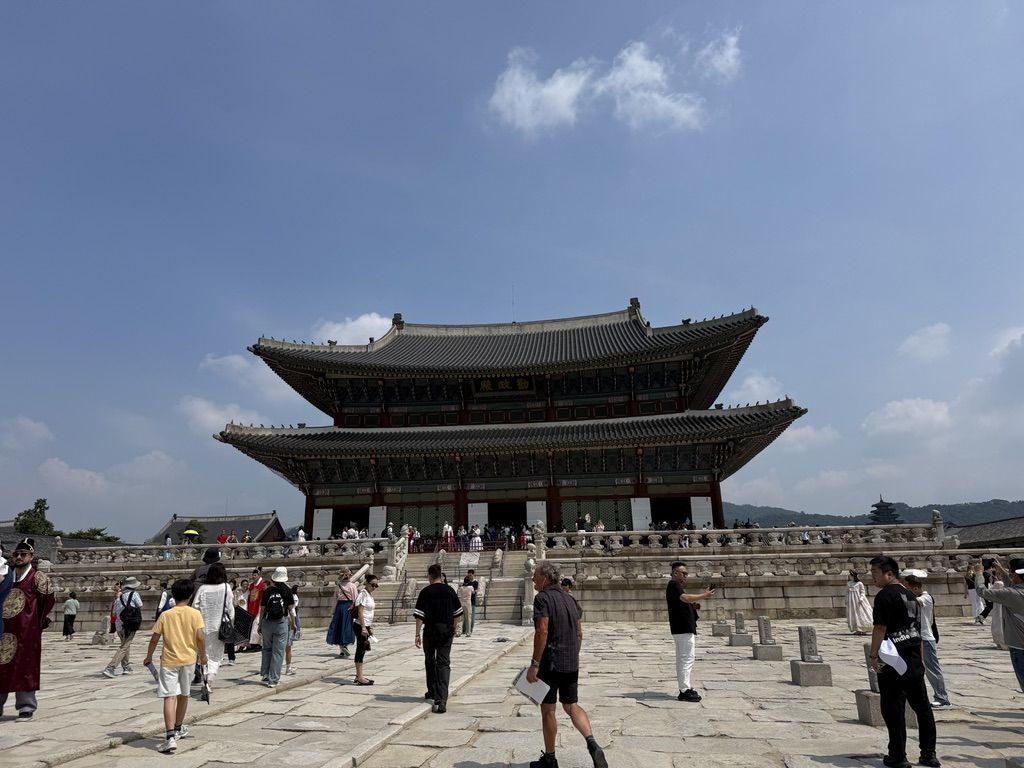
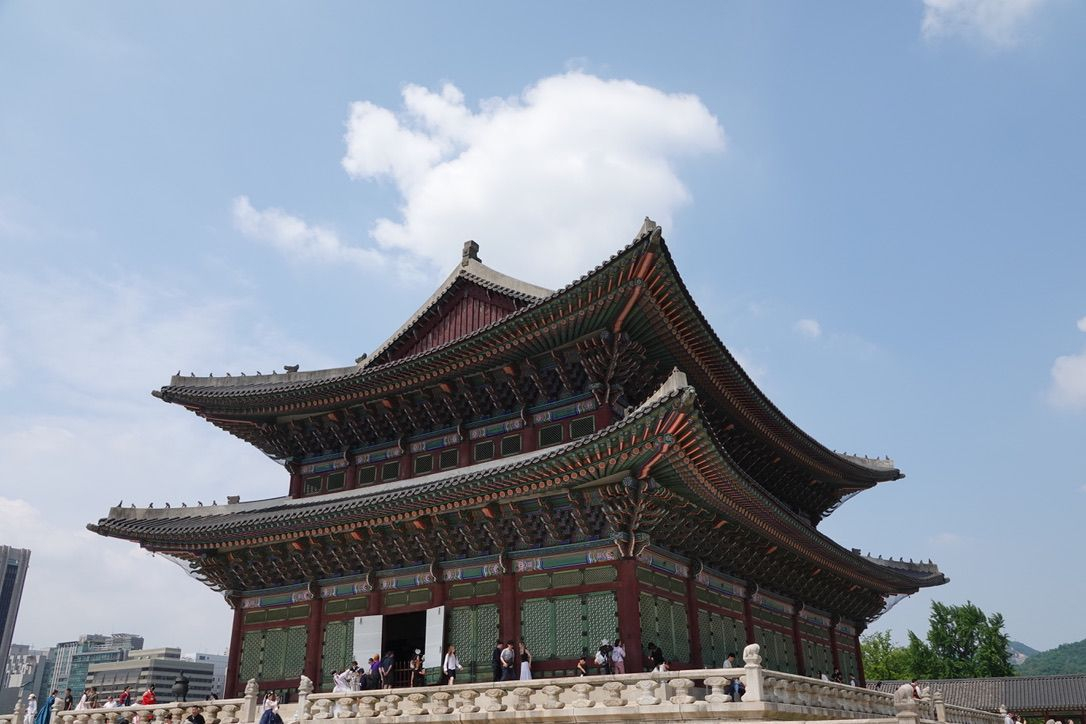
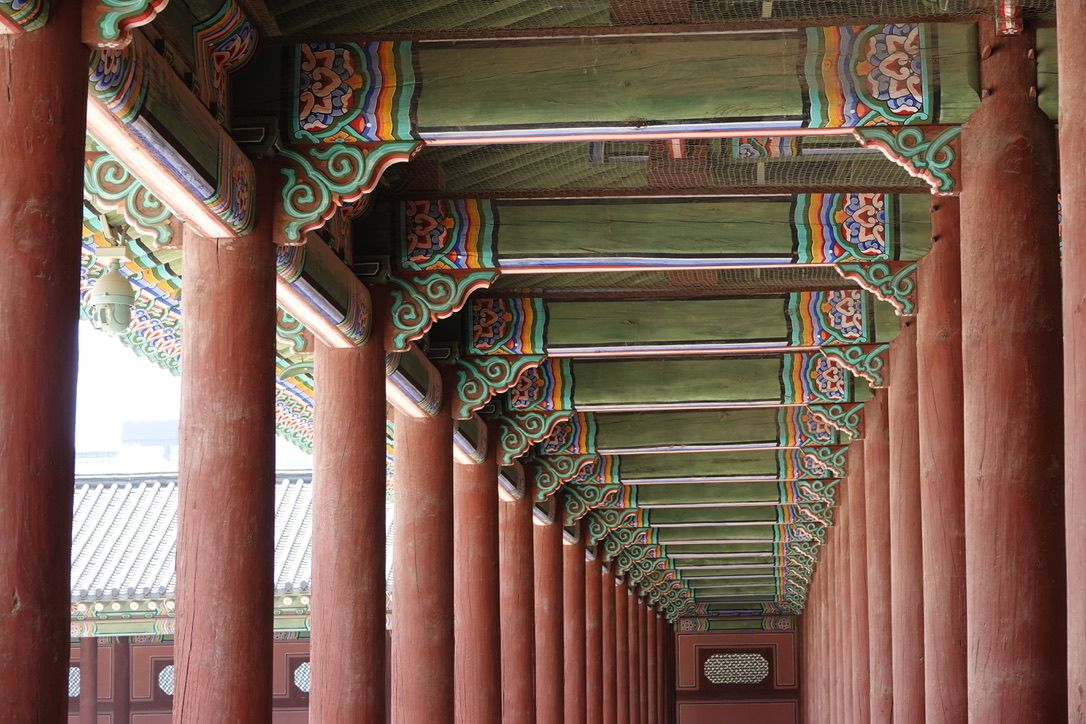
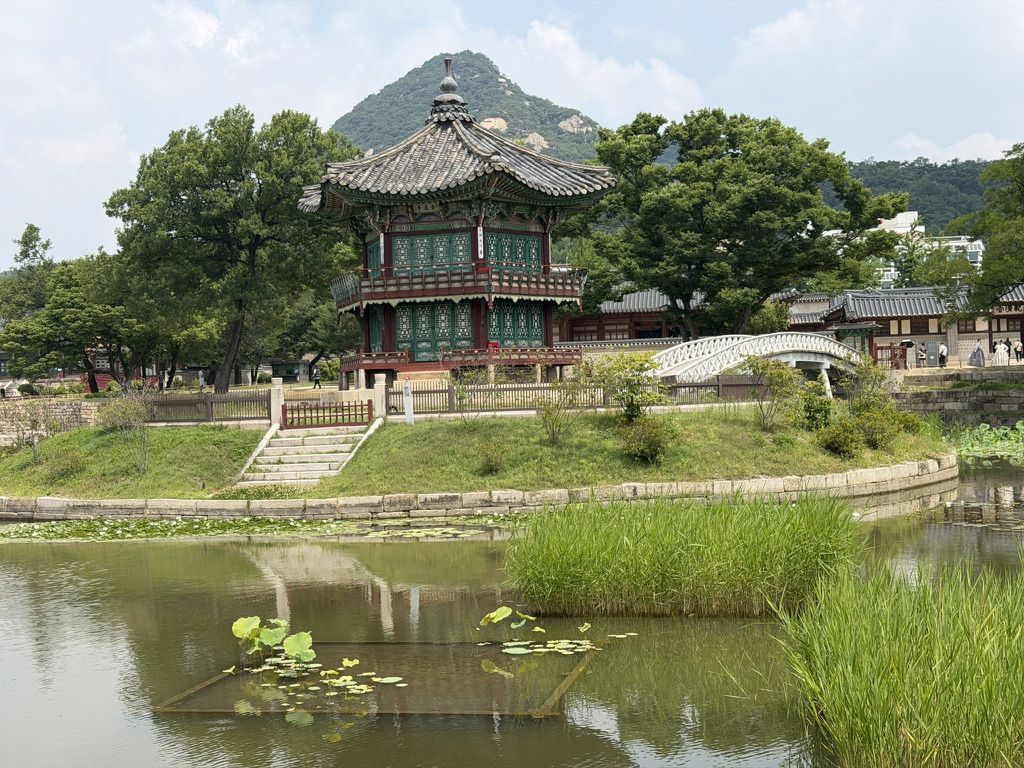
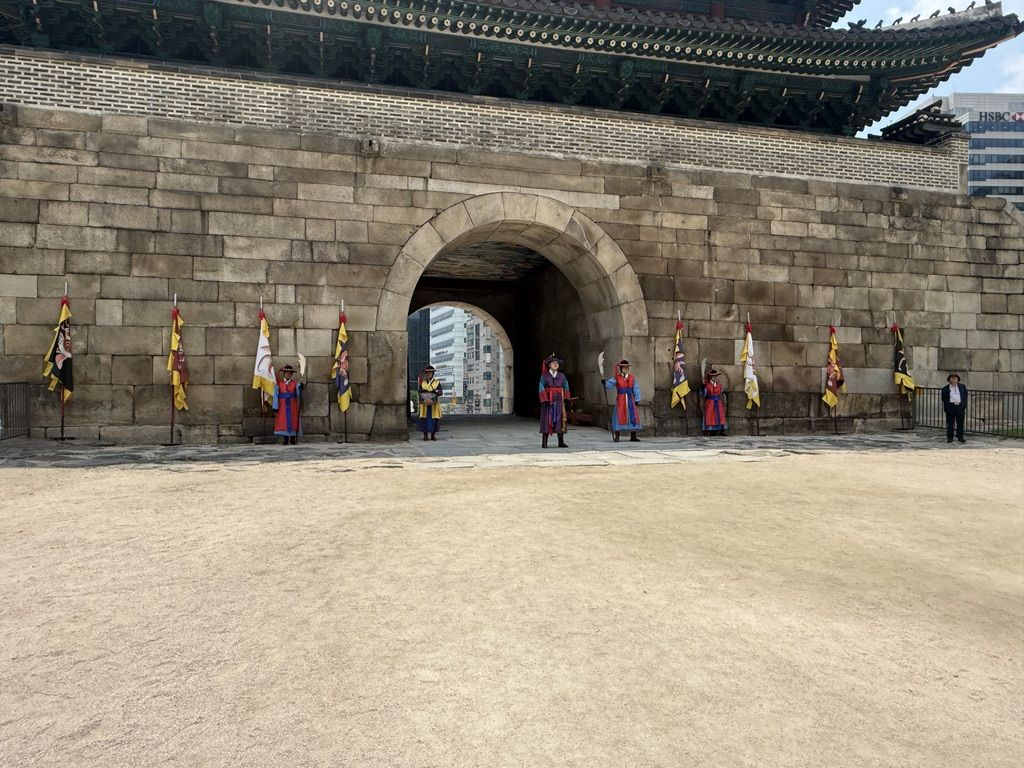
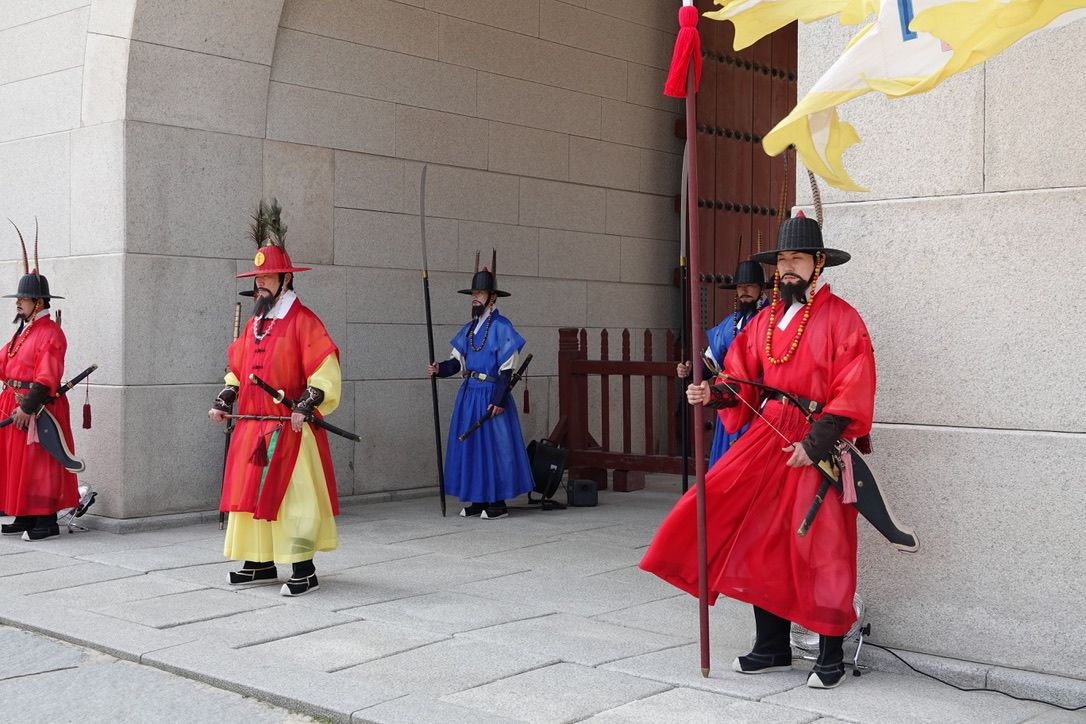
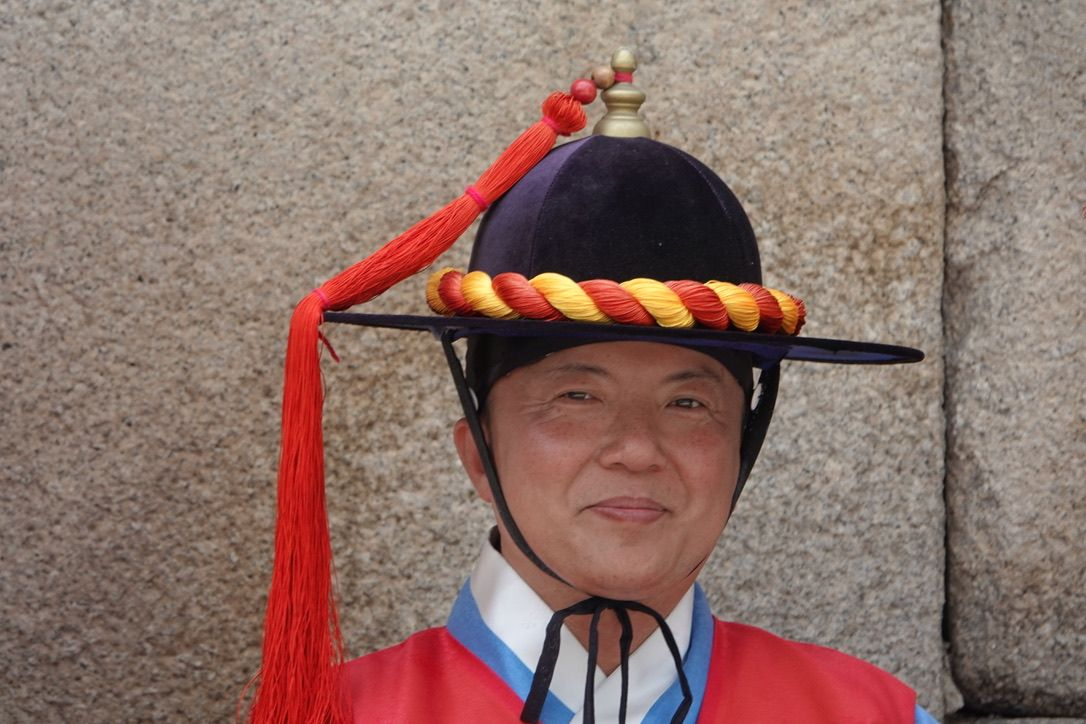
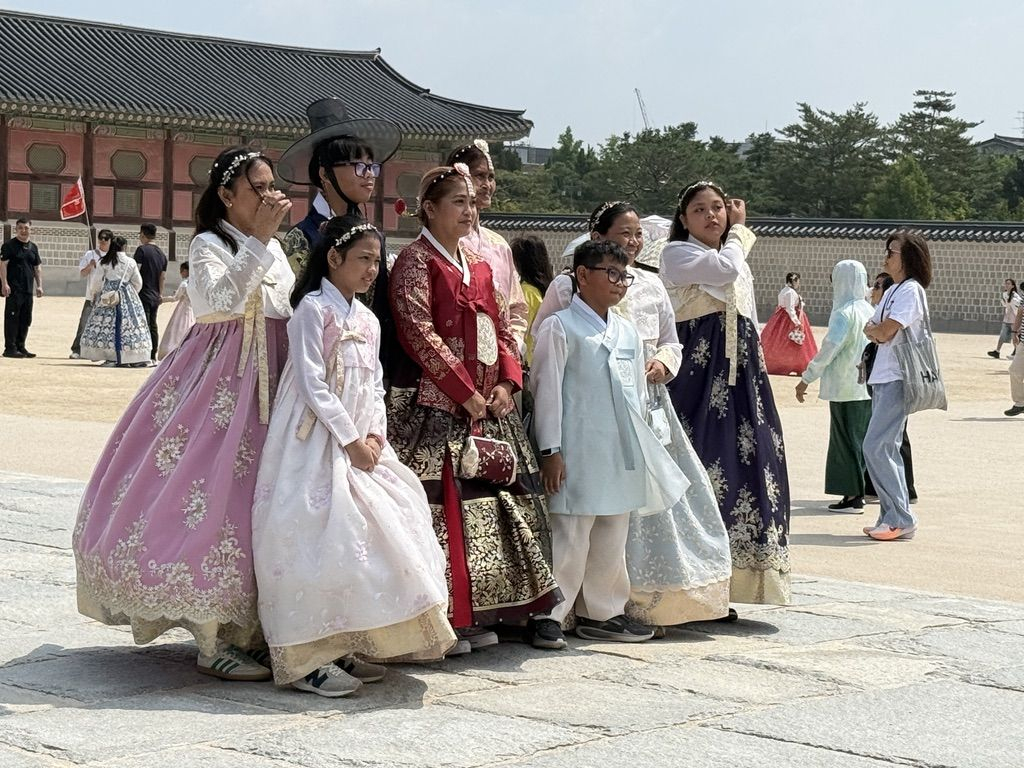
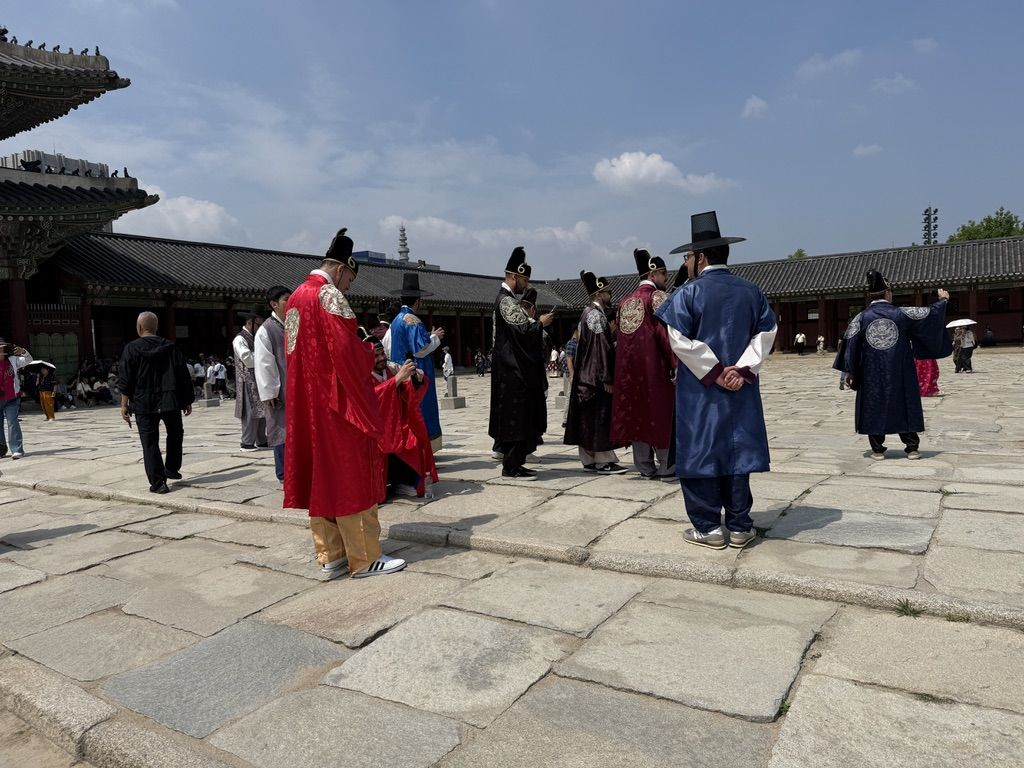
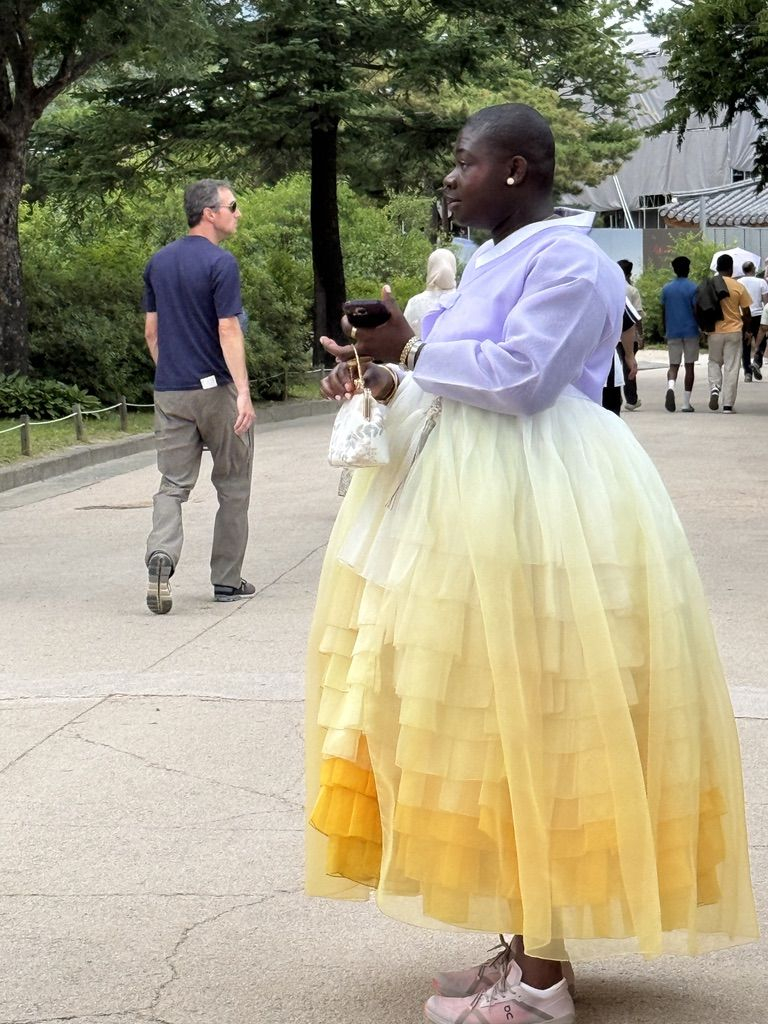
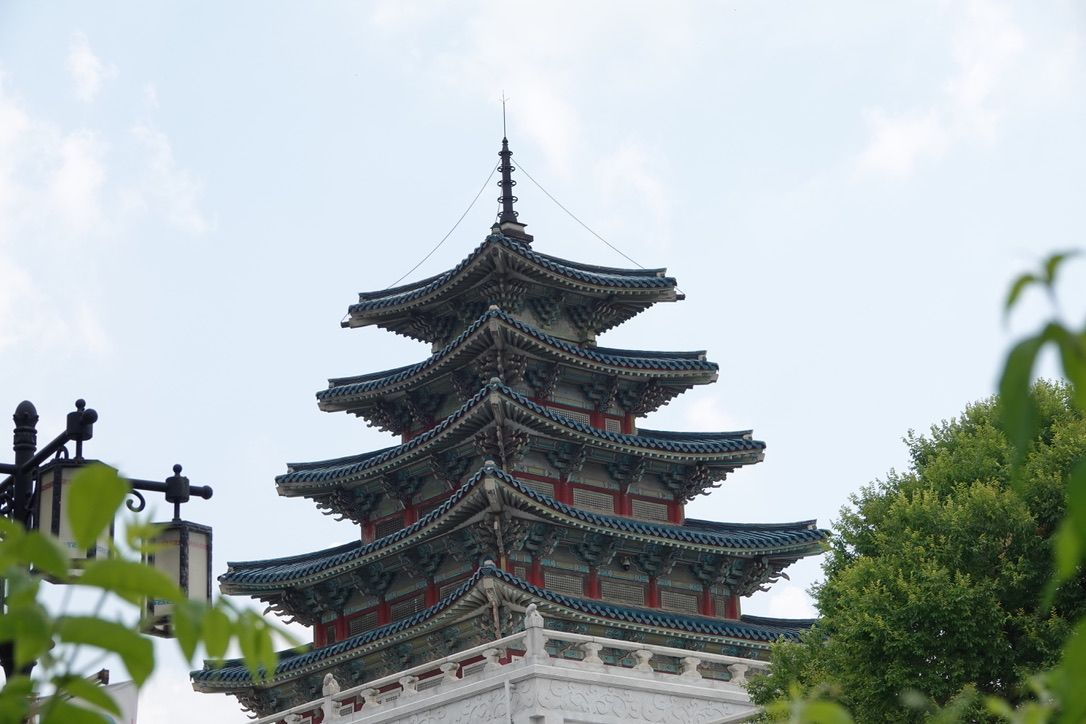
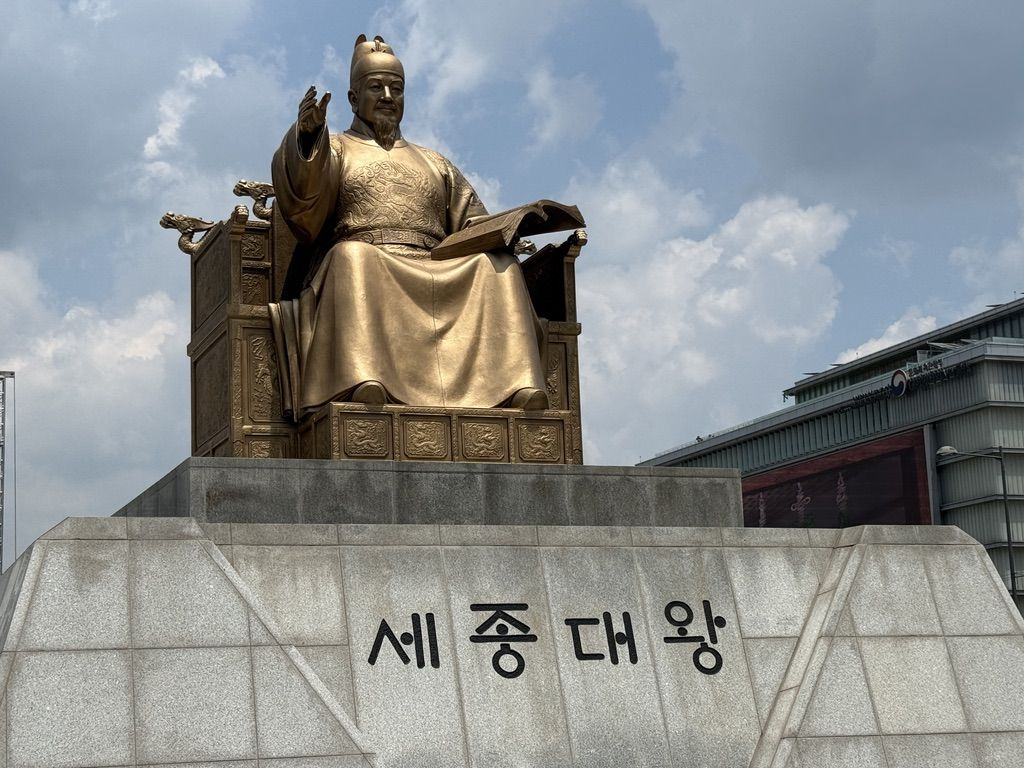
Gyeongbokgung Palace in Seoul is one of the city’s five royal palaces. It’s majestic and was built by the Joseon Dynasty in 1395. There’s an entrance fee, but it becomes free if you rent a traditional Hanbok. And surprisingly, it works, as we saw a lot of people wearing them. The tour includes a visit to the royal pavilions and the opportunity to witness the traditional changing of the guard ceremony at Gwanghwamun Gate (see photos).
Hanok Quarter
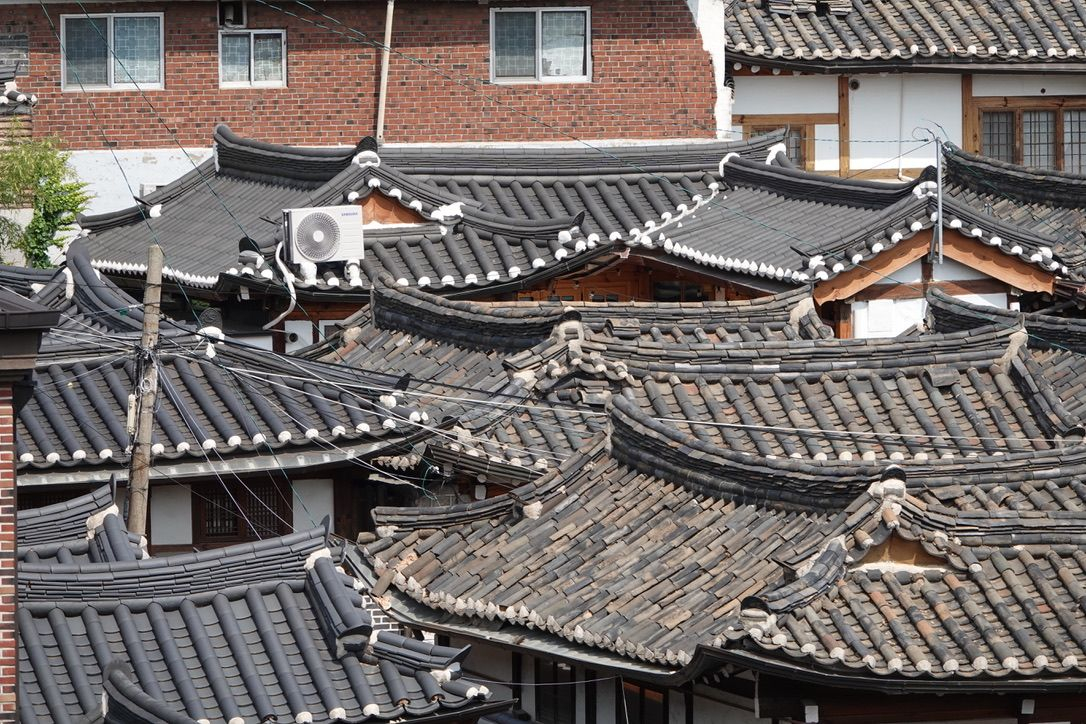
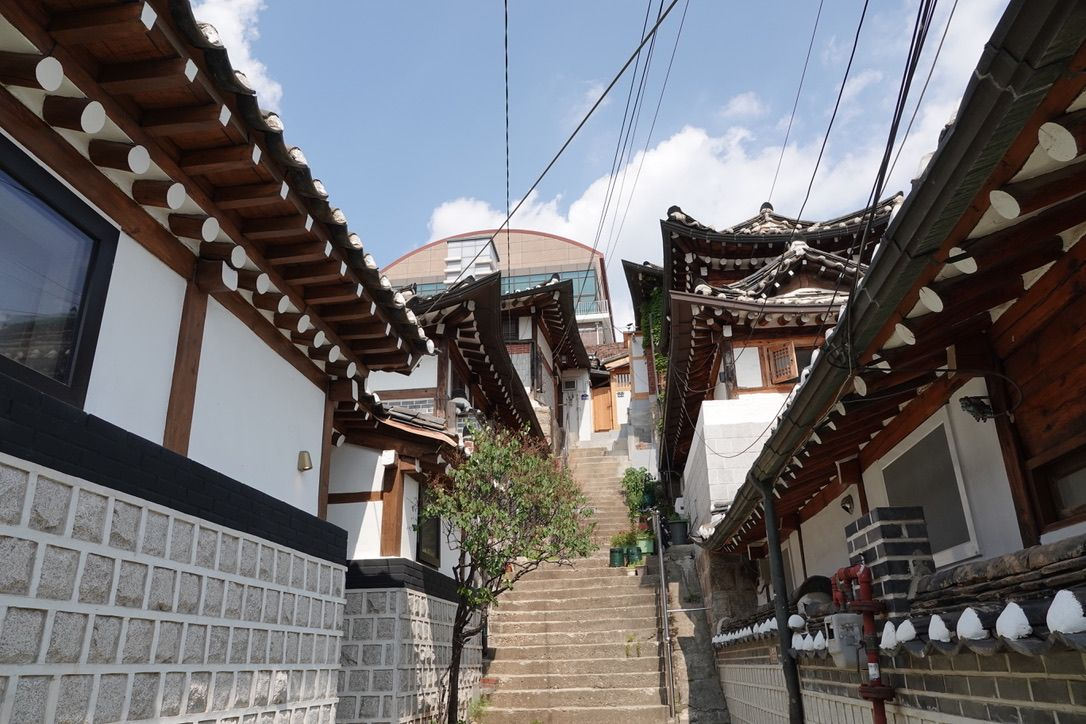
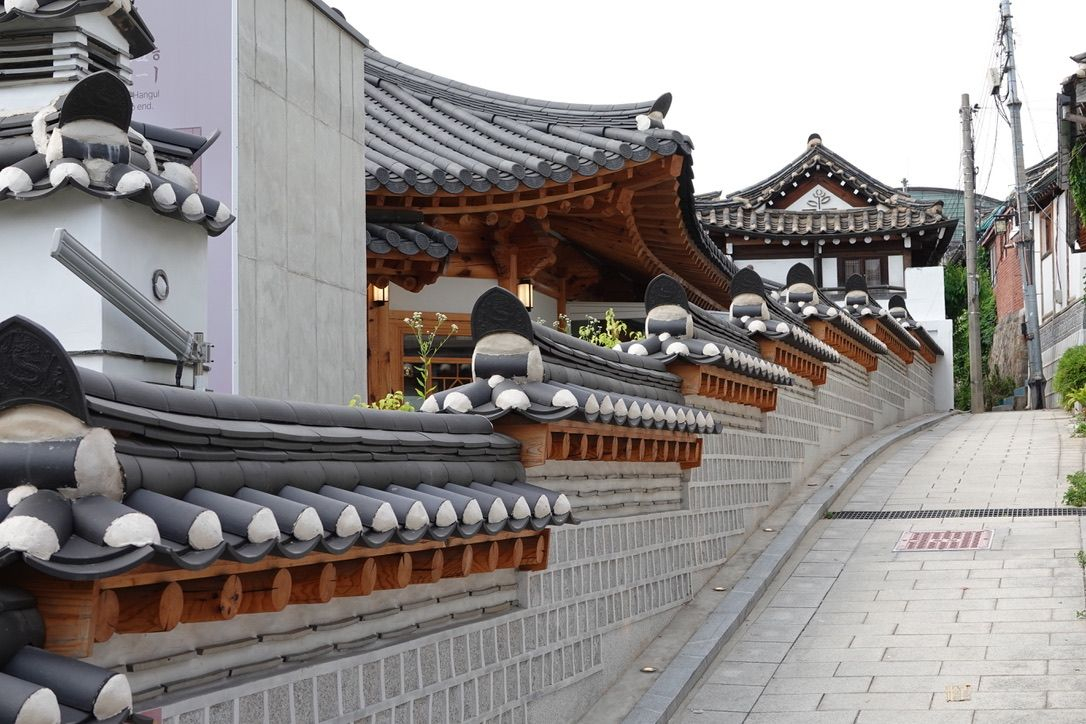
The Bukchon Hanok Village is a preserved historical area where you can admire traditional Korean houses with tiled roofs. These picturesque alleyways offer a complete immersion in the past. The problem is that this village has become so touristy that access is prohibited in the evenings after 6 p.m. in order to protect the peace and quiet of the residents.
The DMZ
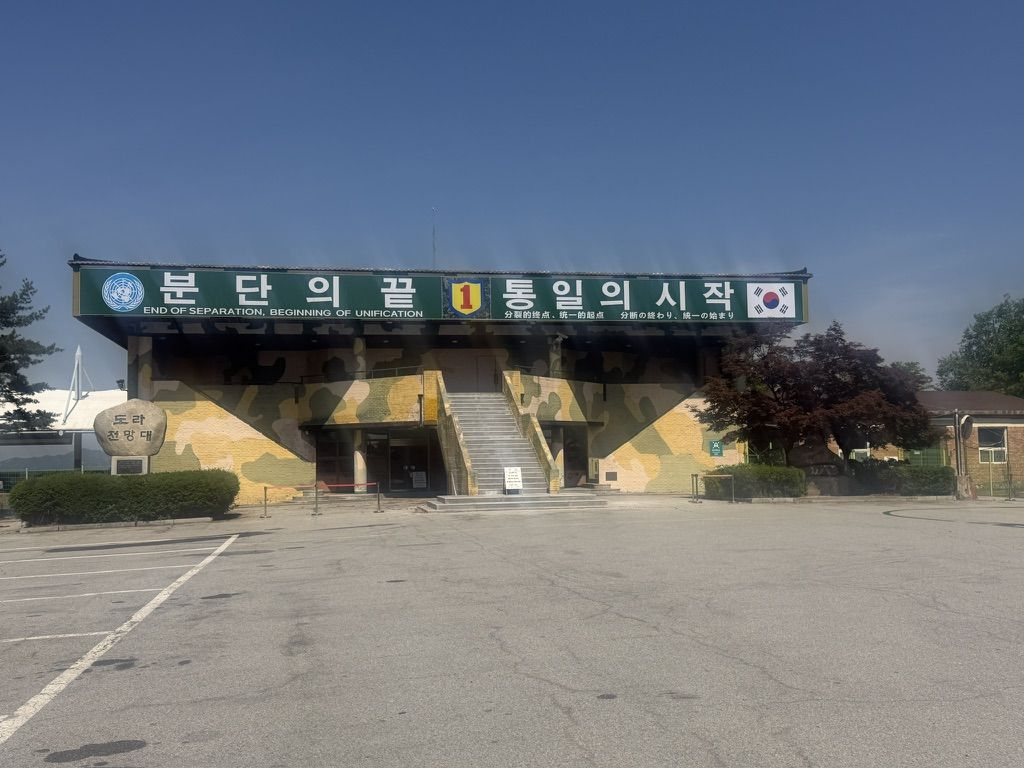
On Saturday, June 13th, we planned to visit the DMZ , “Demilitarized Zone” in English.
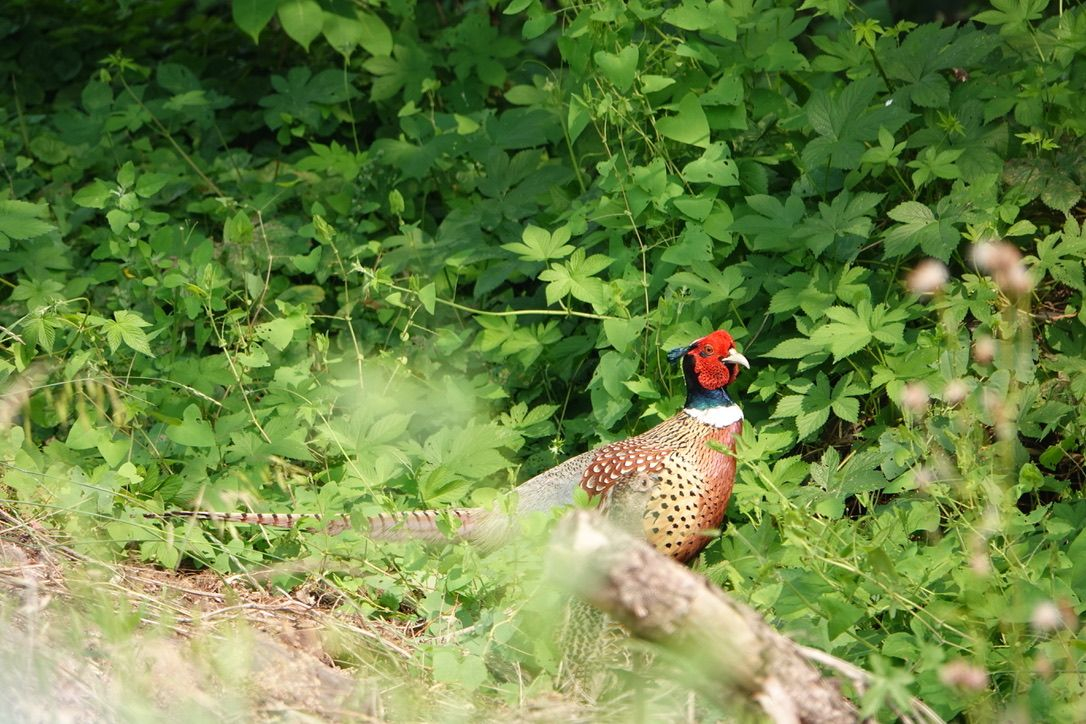
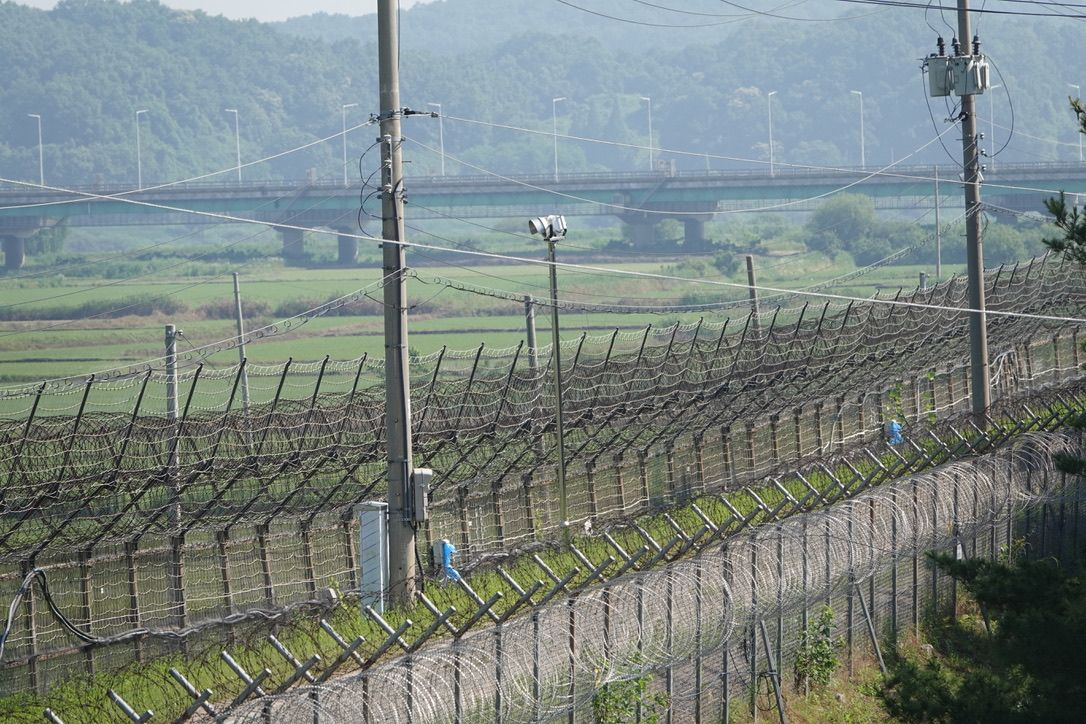
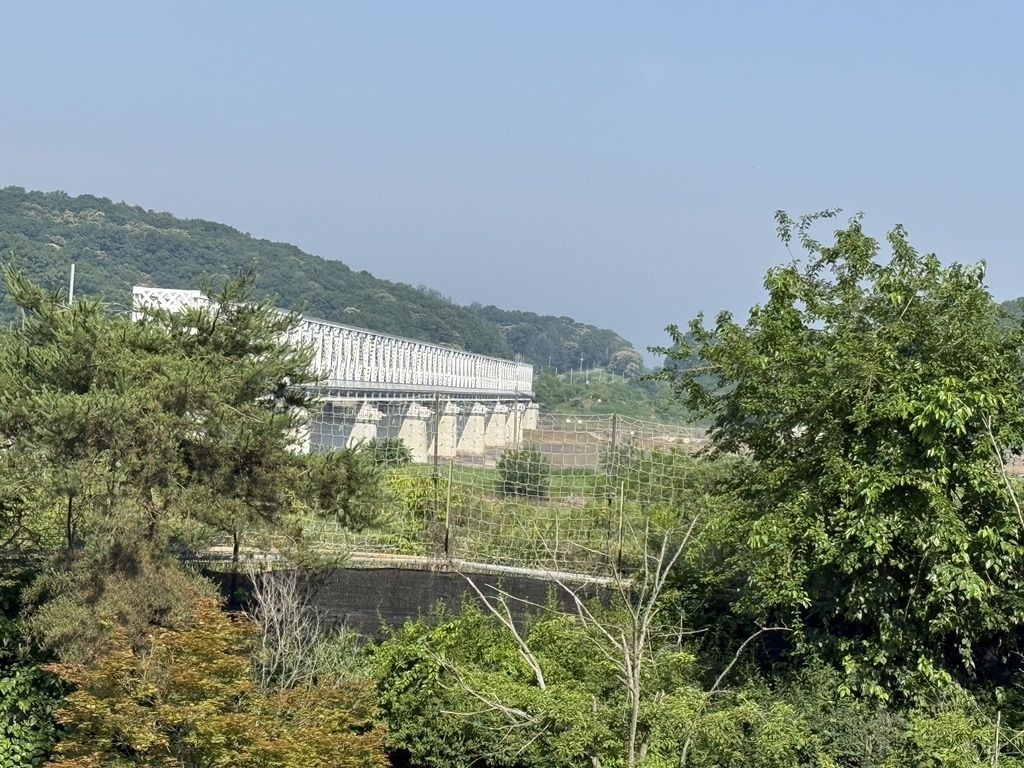
Arguably the most iconic place in South Korea, it’s a buffer zone approximately 4 km wide and 250 km long that separates South Korea from North Korea. It was established by an armistice signed between the two countries in 1953. The armies of both countries maintain a permanent presence there, as does the United Nations. This heavily fortified border has no road access. There is only one crossing point, allowing the hundred or so South Koreans who live and cultivate rice there to leave. Over the years, the area has become a nature reserve where wildlife thrives.
DMZ a rather touristy visit
To be able to visit this area, we must contact an authorized agency, as approaching the North Korean border always presents risks.
The visit is historically interesting for understanding the relationship between the two countries and how the DMZ came about. The guide who presented the history is very knowledgeable. The visit is quite touristy, without being particularly remarkable. Firstly, photography is strictly forbidden. The reason for this is unclear, as nothing seems strategic or secret. It’s primarily a lucrative business that needs to be well protected.
While we were able to observe North Korea through binoculars, it wasn’t exactly groundbreaking. Furthermore, visiting one of the tunnels dug by North Korea wasn’t particularly interesting either. The entire site is heavily guarded by the military. Phones are kept in boxes at the entrance to prevent surreptitious photography.
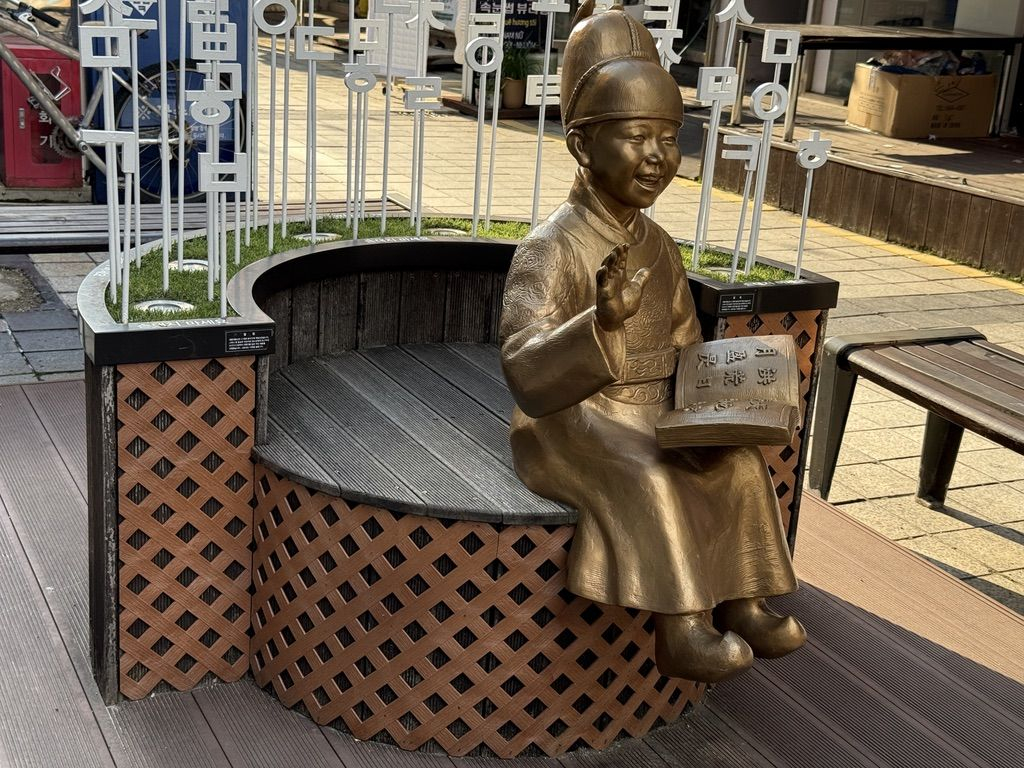
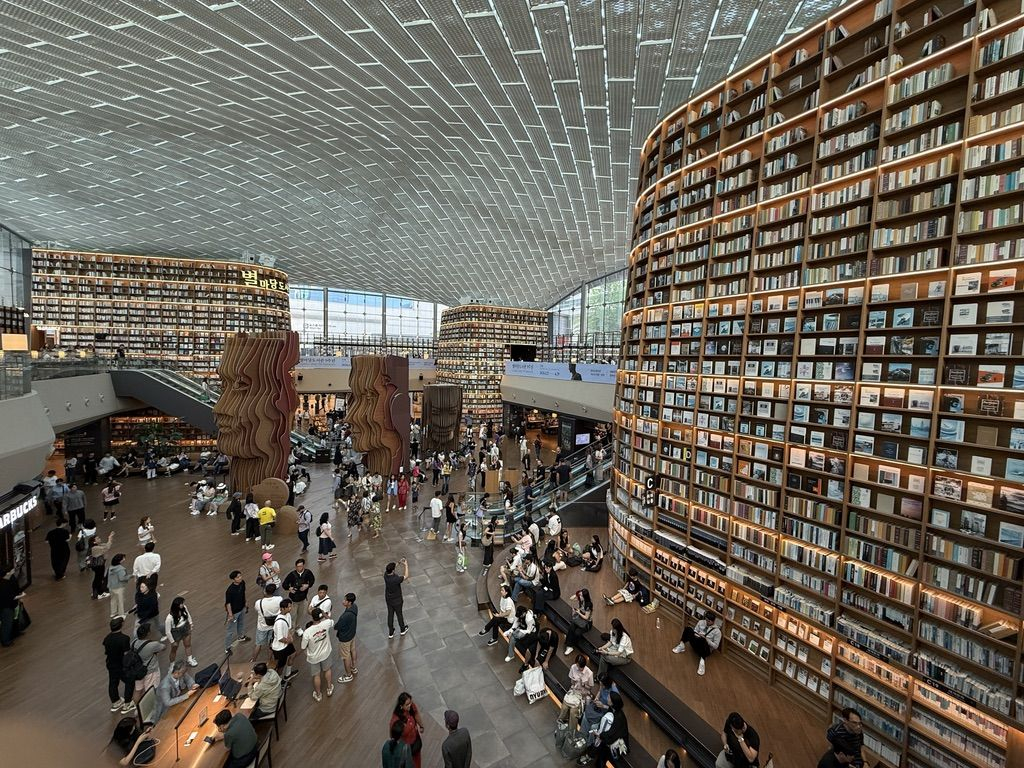
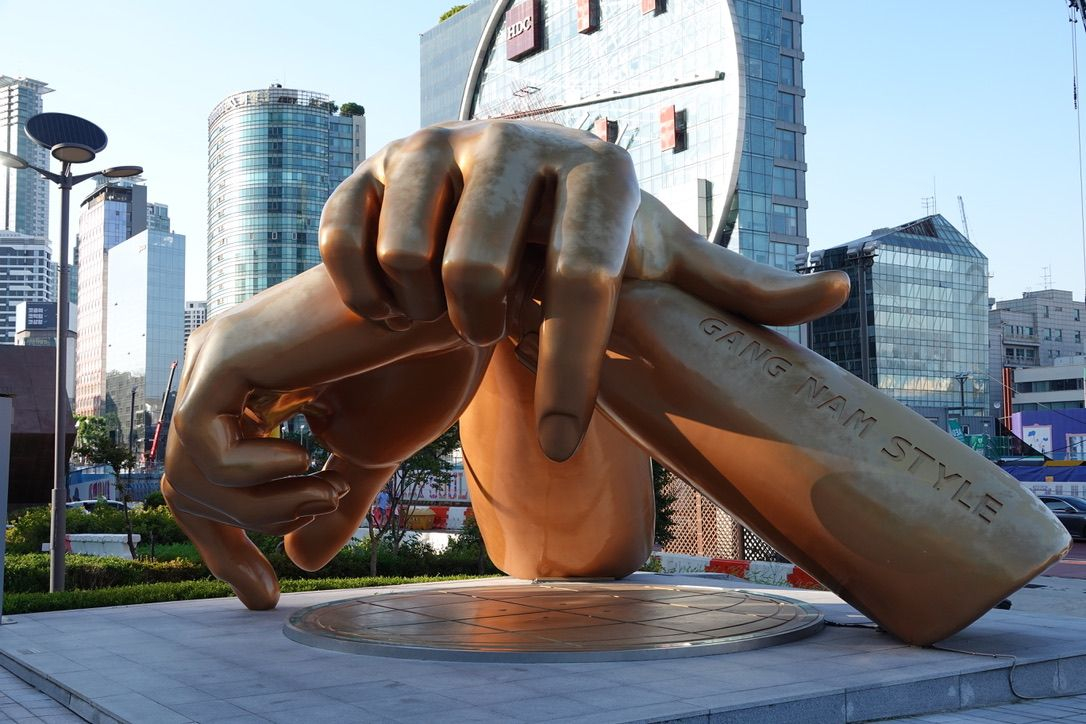
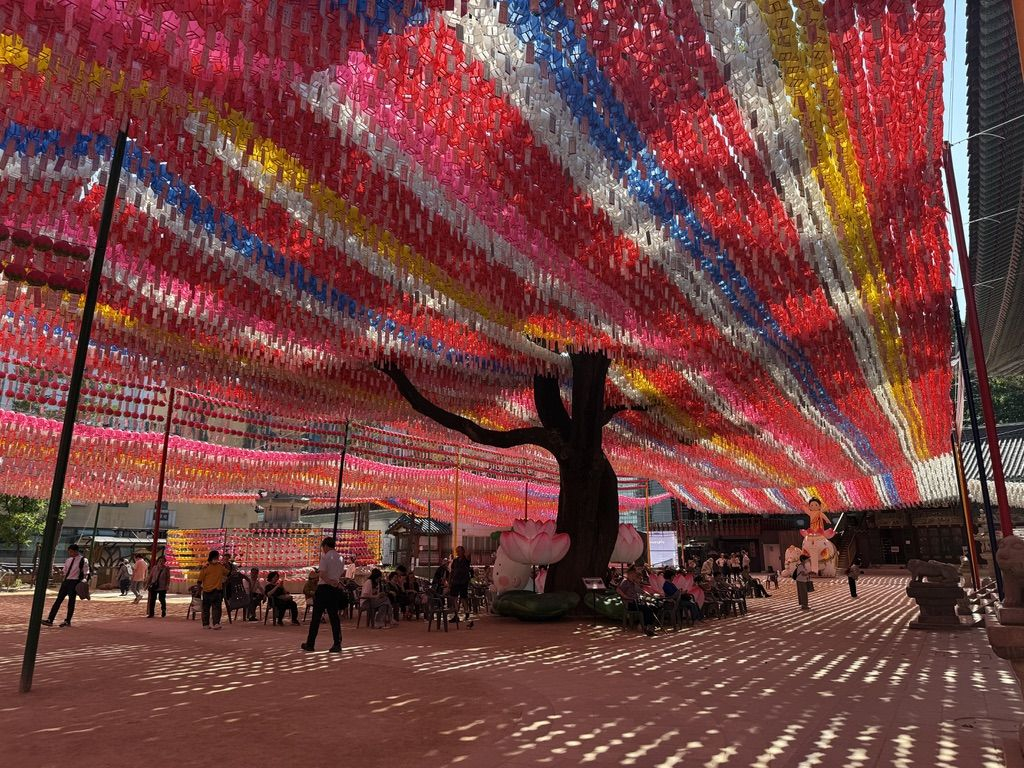
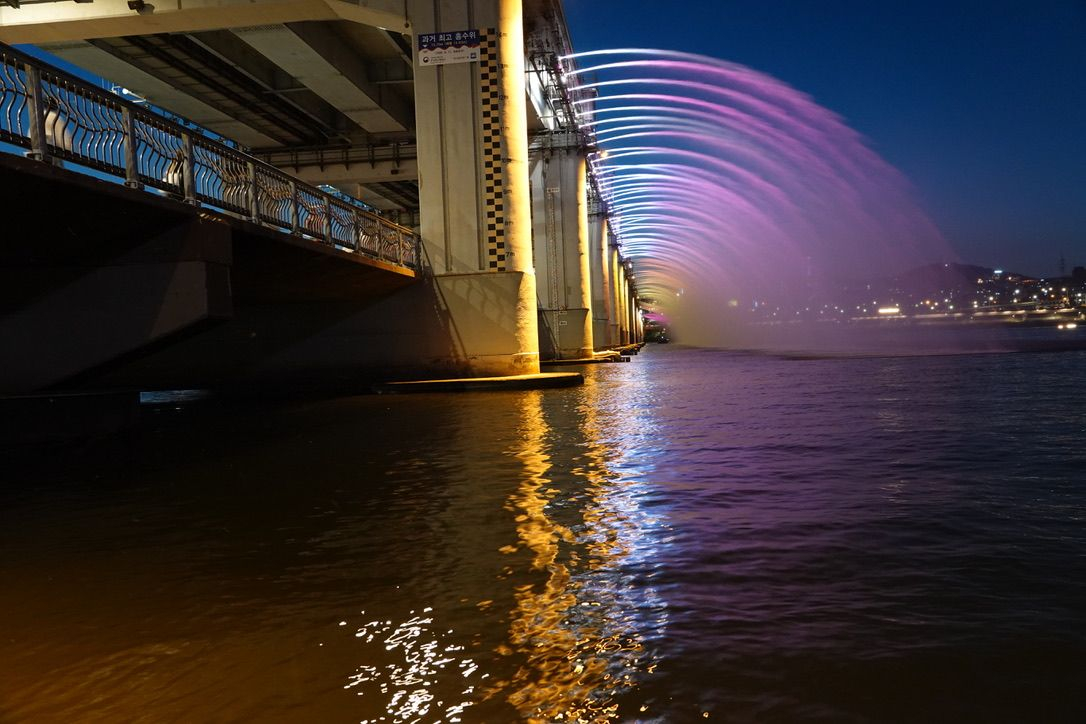
Through the photos you will be able to discover other places in the city such as the temple of Jogyesa, the Starfield library, and the Banpo bridge.
Metting :
- Antoine, Lucéa and Mylan: a French couple who have been travelling by bicycle for about 7 months. They are finishing their journey in Seoul.
- Yves: a Frenchman who has lived in Korea for over twenty years. He lived for many years in the United States. There, he ran a bakery near the White House and supplied bread to the President of the United States, Richard Nixon.
A bit of history: The Korean War, from 1950 to 1953, pitted the communist North, supported by China and the USSR, against the capitalist South, backed by the United Nations and the United States. The conflict ended with more than 2 million deaths and the separation of the two countries.
Did you know: The ceasefire signed in 1953 between the two Koreas is still in effect. In practical terms, this means that the two countries are still at war.
Route: We covered 283km from Saturday, June 6th to Sunday, June 14th. Find the route map by clicking HERE