

Share This Article
From Monday, June 15th to Friday, June 26th, from Seoul to Yancheng
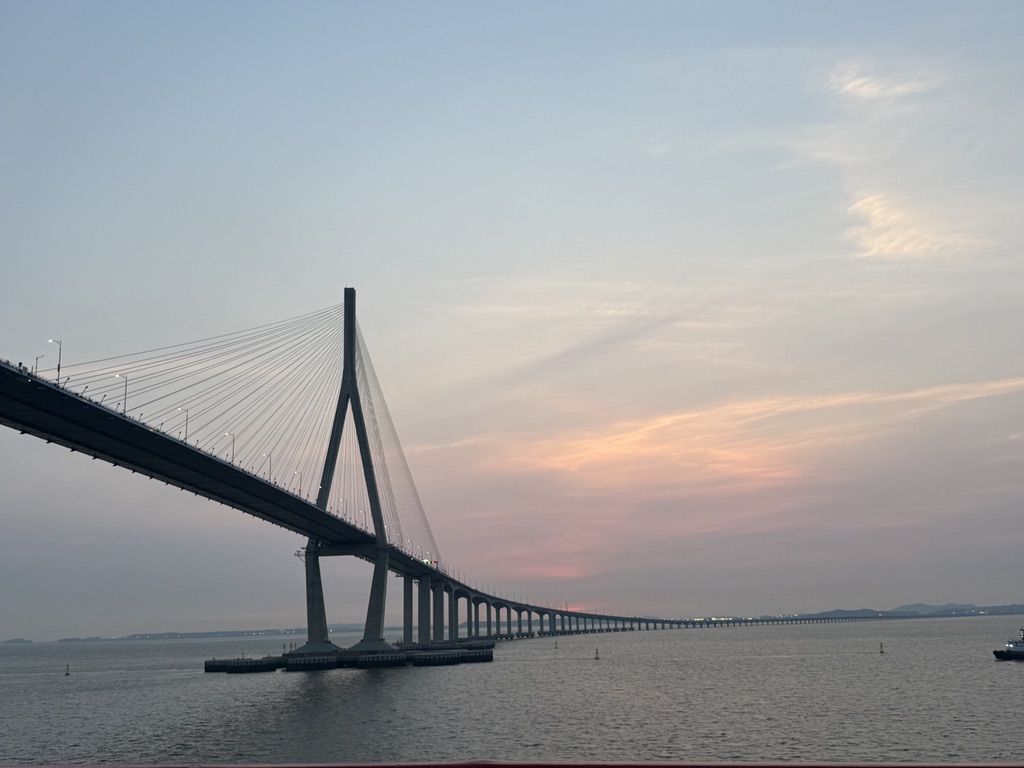
This Monday the 15th, we left Seoul for the port of Incheon to catch a ferry to China. Although located in Seoul, the port of Incheon is 60km from the capital. As is often the case in Korea, the route was on a bike path, and with no hills, we followed the Hang River.
Unexpected events during travel
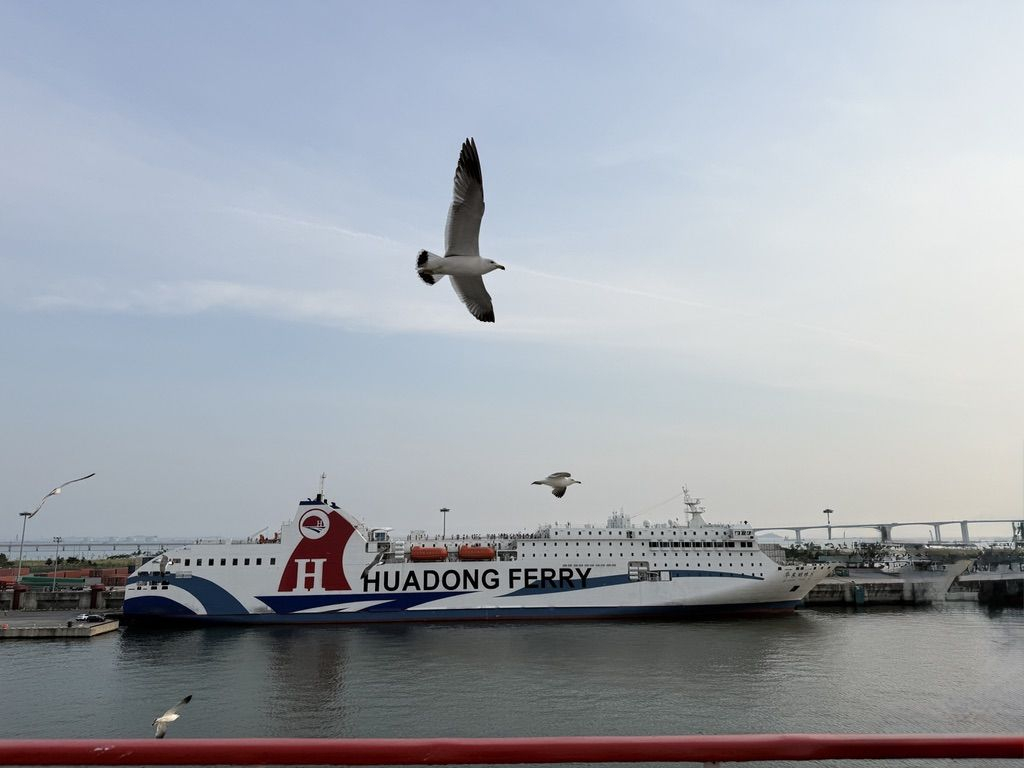
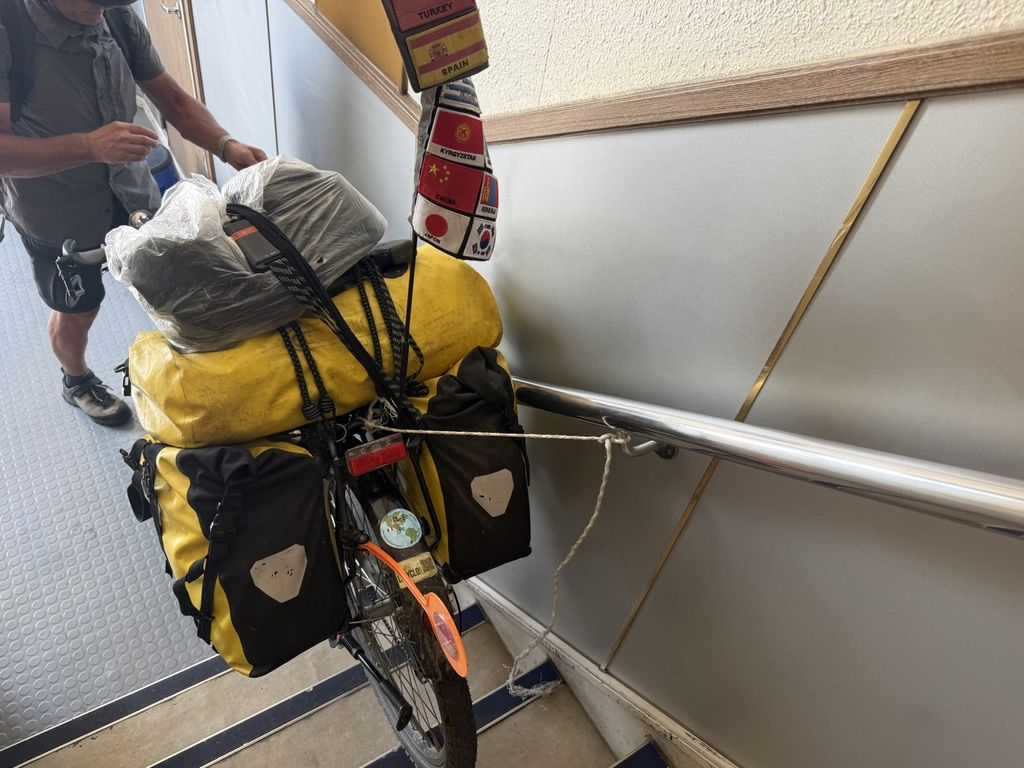
We arrived at the port around 3 pm. And as things never go according to plan, the person at the ticket counter informed us that the ferry to Qingdao was canceled for several months. She suggested an alternative destination, Weihai, 250 km further north in China. It wasn’t exactly what we wanted, but for lack of a better option, we accepted, and boarded immediately. Once the vehicles were loaded, we took the bicycles with us onto the ferry. This wasn’t the easiest task, as we had to remove all the panniers for the scanning checks, board the bus since cycling is prohibited in the customs area, and then climb two flights of stairs before finally locking the bikes to a railing.
Arrival in China
The crossing went smoothly with comfortable berths, and we disembarked 15 hours later in China. Having stowed our bikes on the stairs, we were the first to disembark.
In China, going through customs is always a long process, with questions we don’t necessarily know the answers to. You have to improvise, even lie, and it works, oh yes! After a good two hours, we’re in Chinese territory, and this is the third time in a year.
Wheat everywhere on the roads
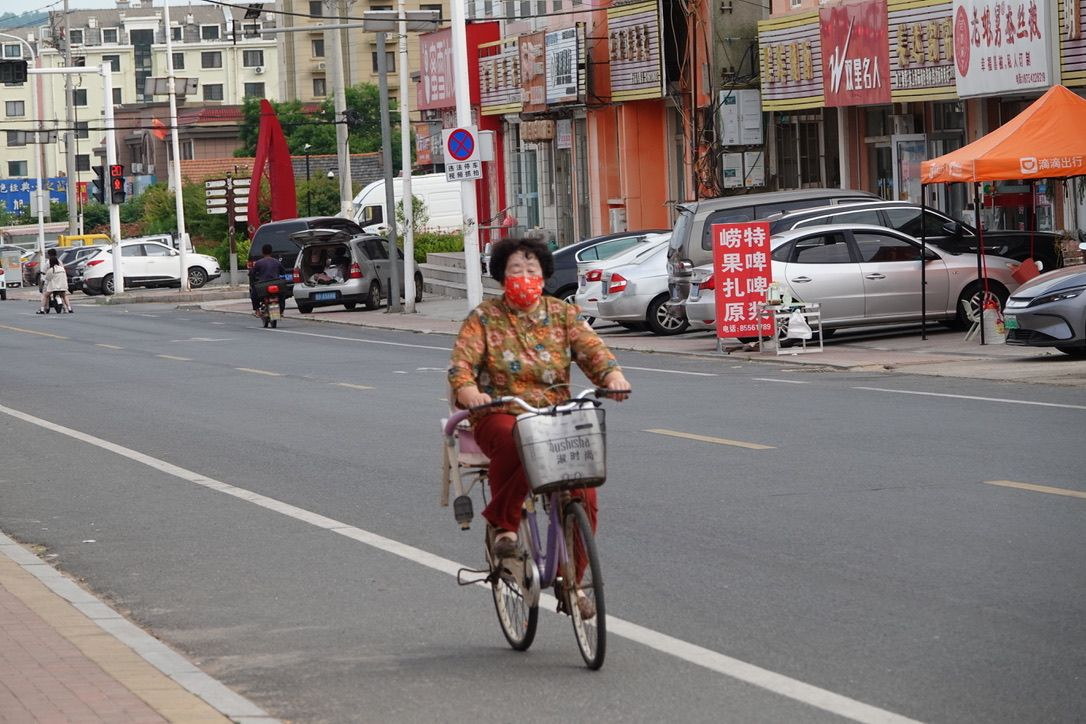
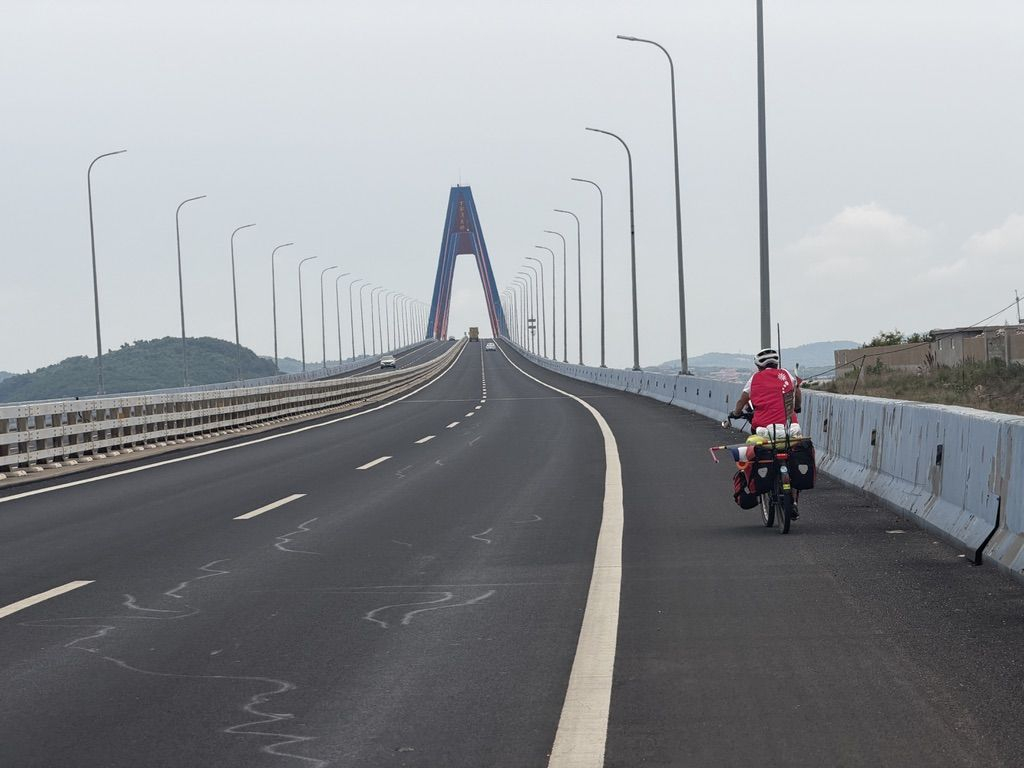
We’re heading south at a leisurely pace; there’s some traffic, but it’s manageable because the cycle path is wide. For several days, we’ll be following the G228 road. It’s not always pleasant, as it sometimes veers away from the sea.
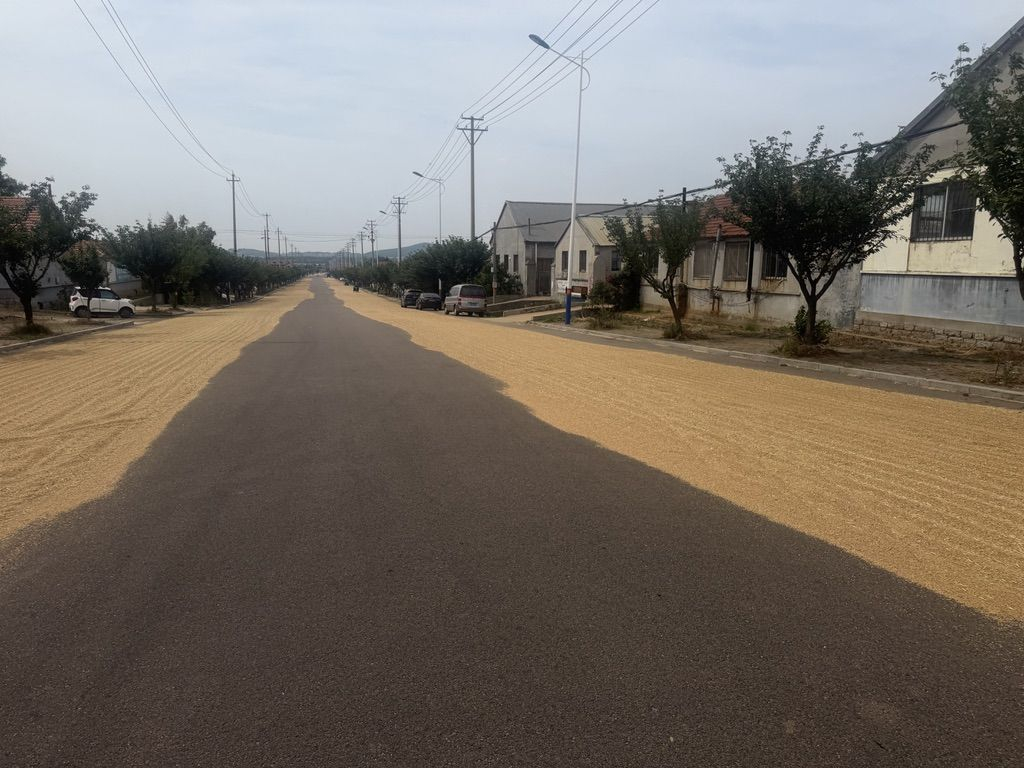
It’s hot and harvest season. The roads are partly covered with wheat that is drying, a rather old-fashioned method; vehicles sometimes drive over it.
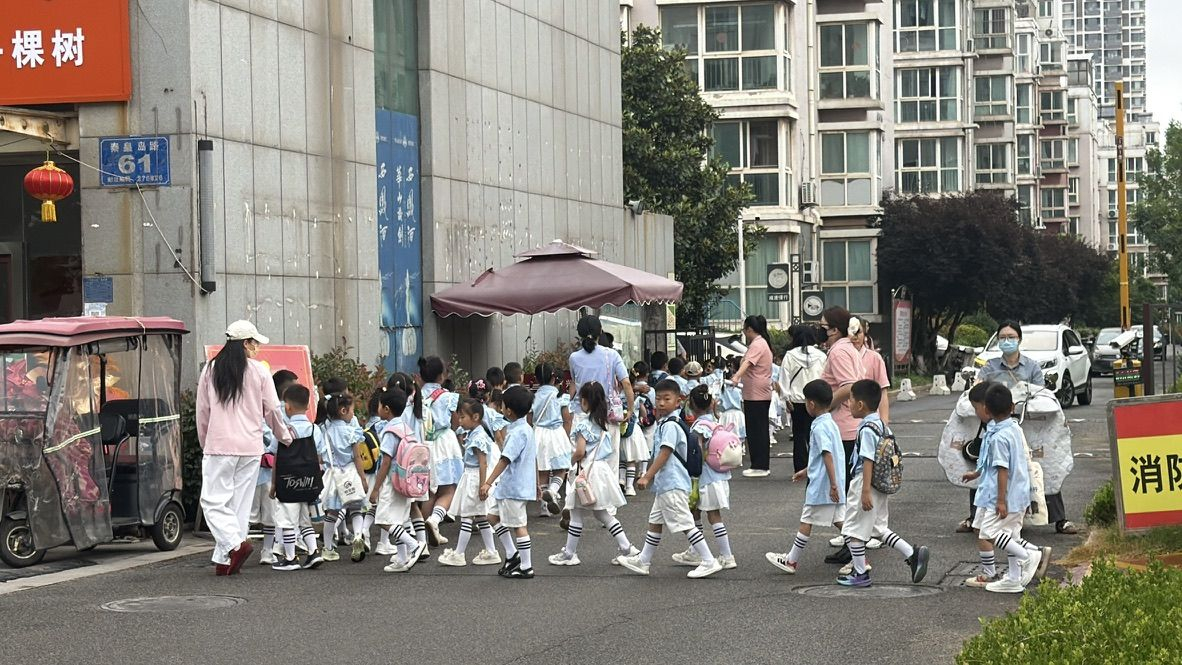
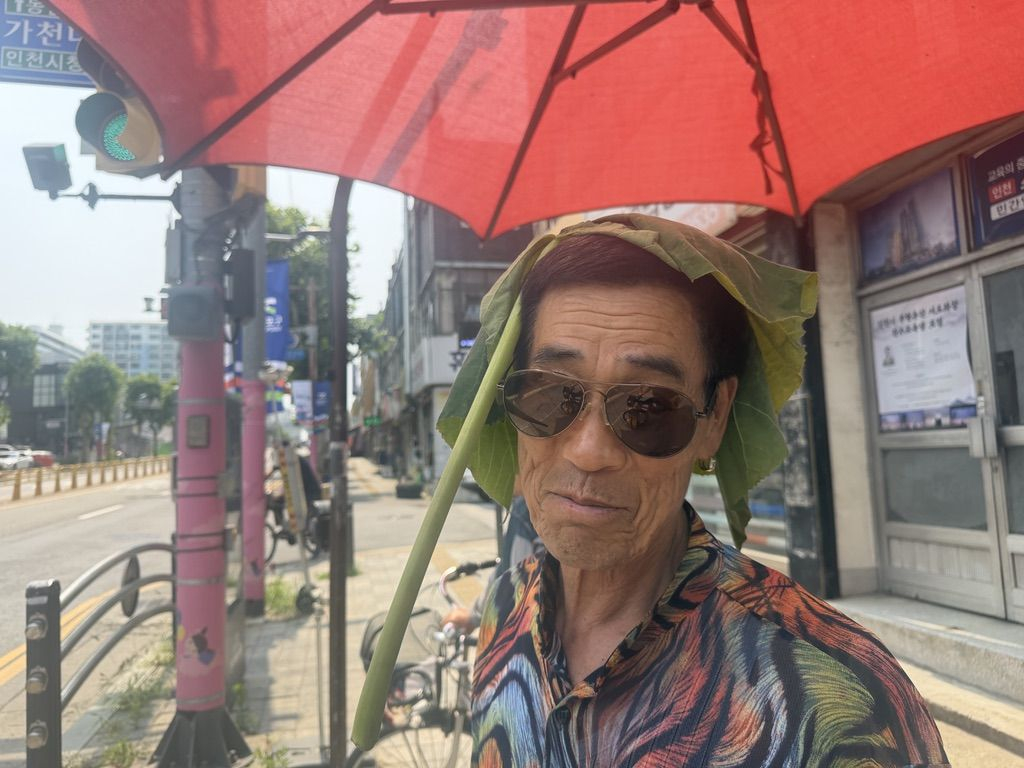
Everywhere we go in the villages we pass through, we’re a bit of an attraction; it has to be said that we haven’t seen any other tourists in these areas. Each time, we’re subjected to endless selfie sessions. These Chinese people love taking pictures.
A surprising temple
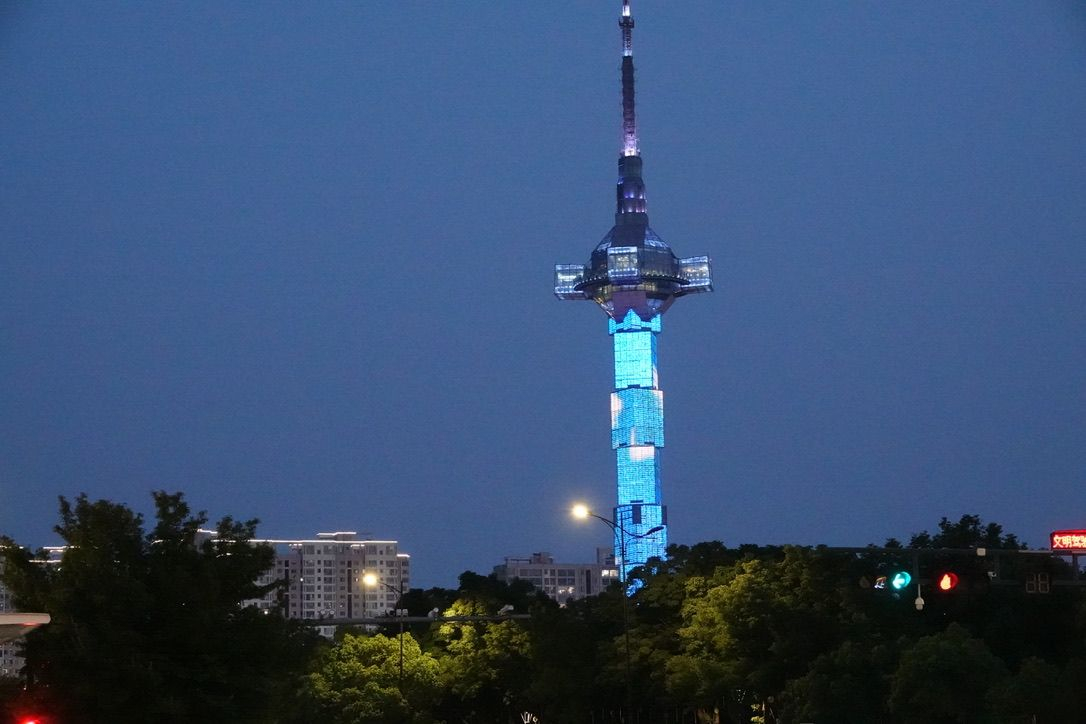
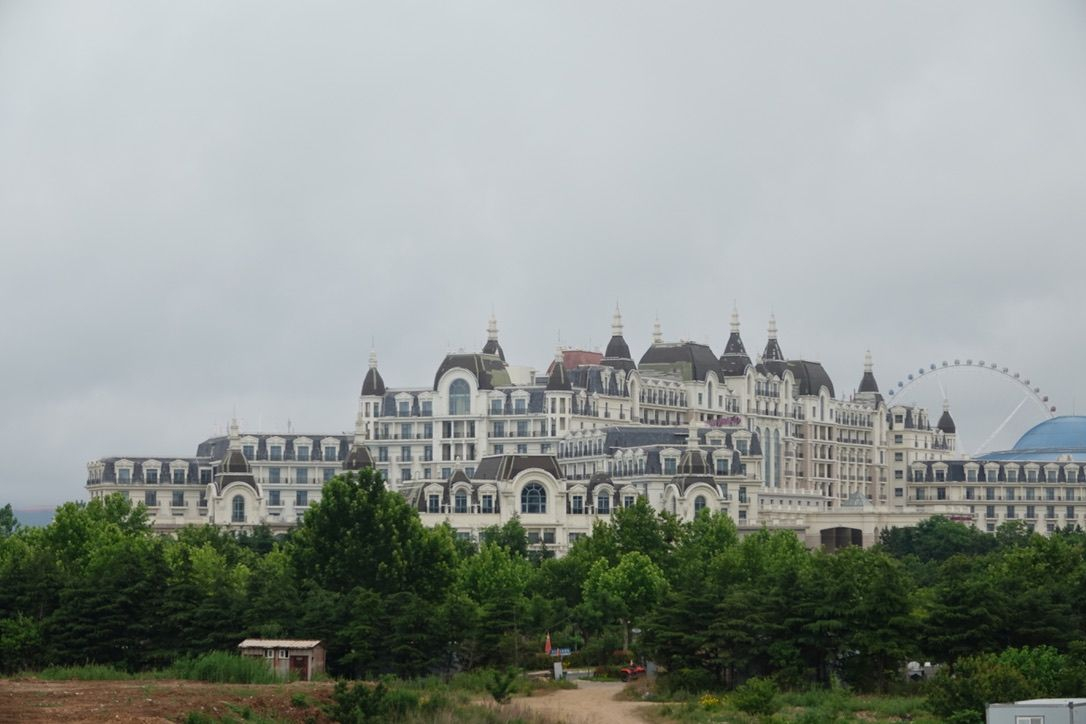
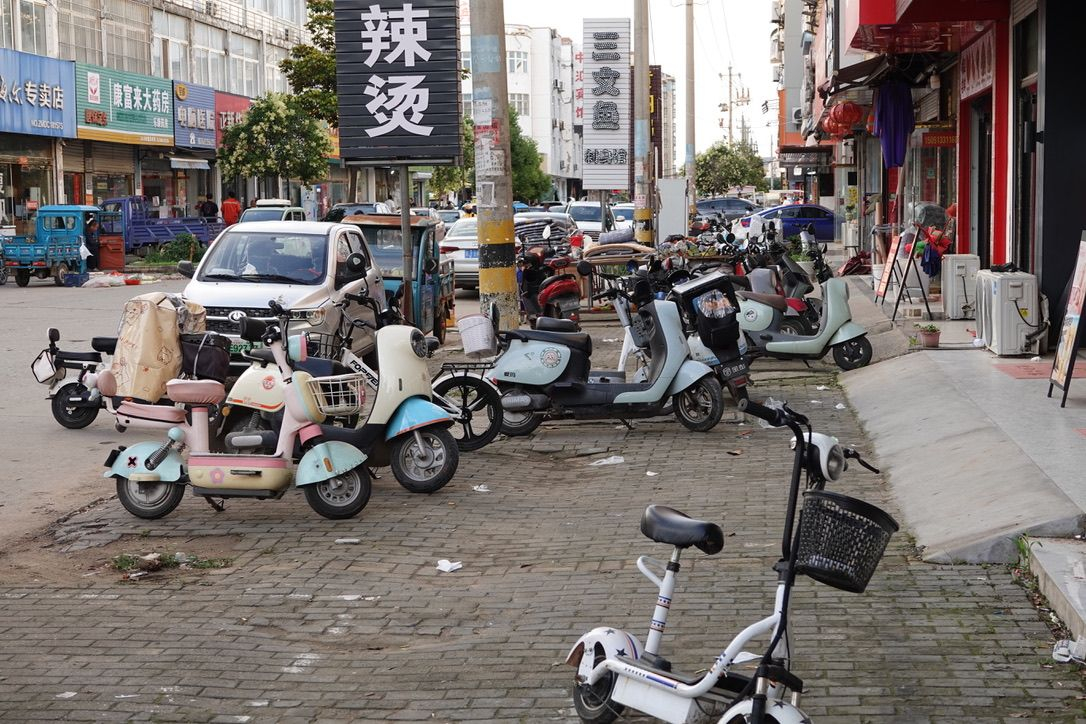
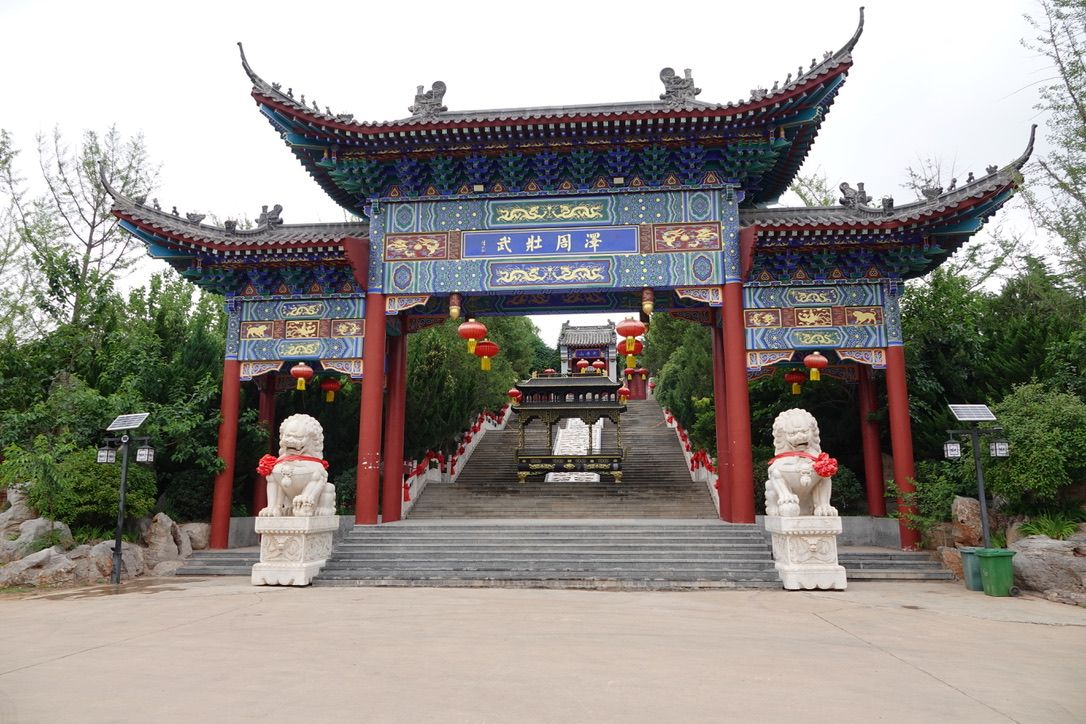
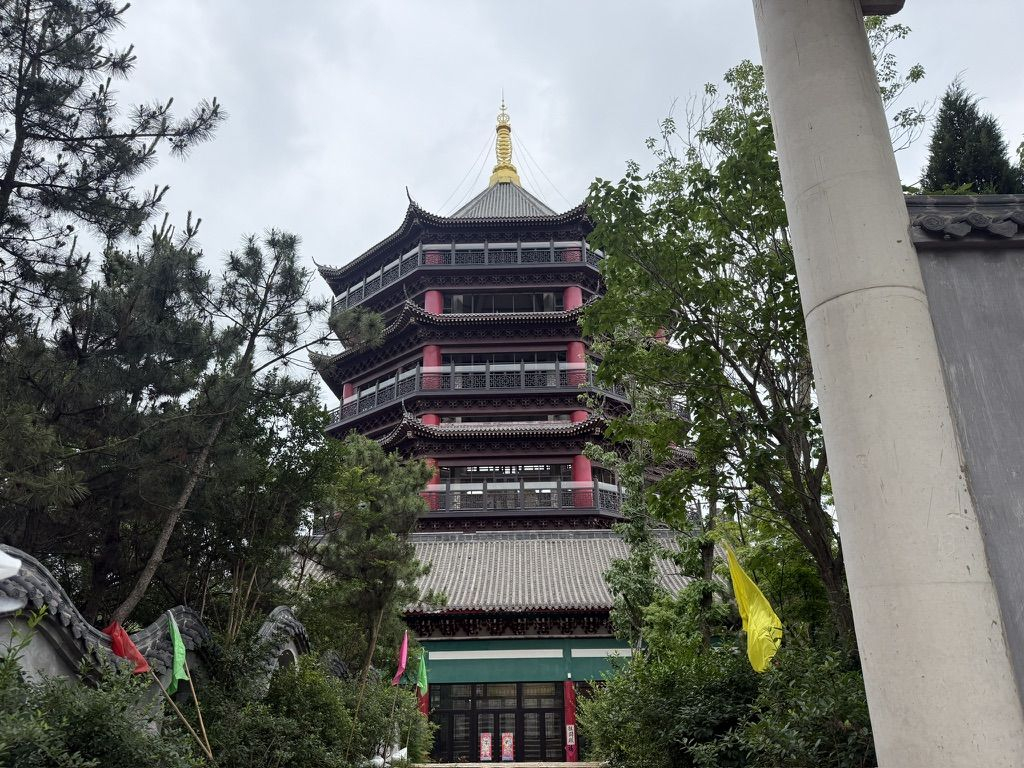
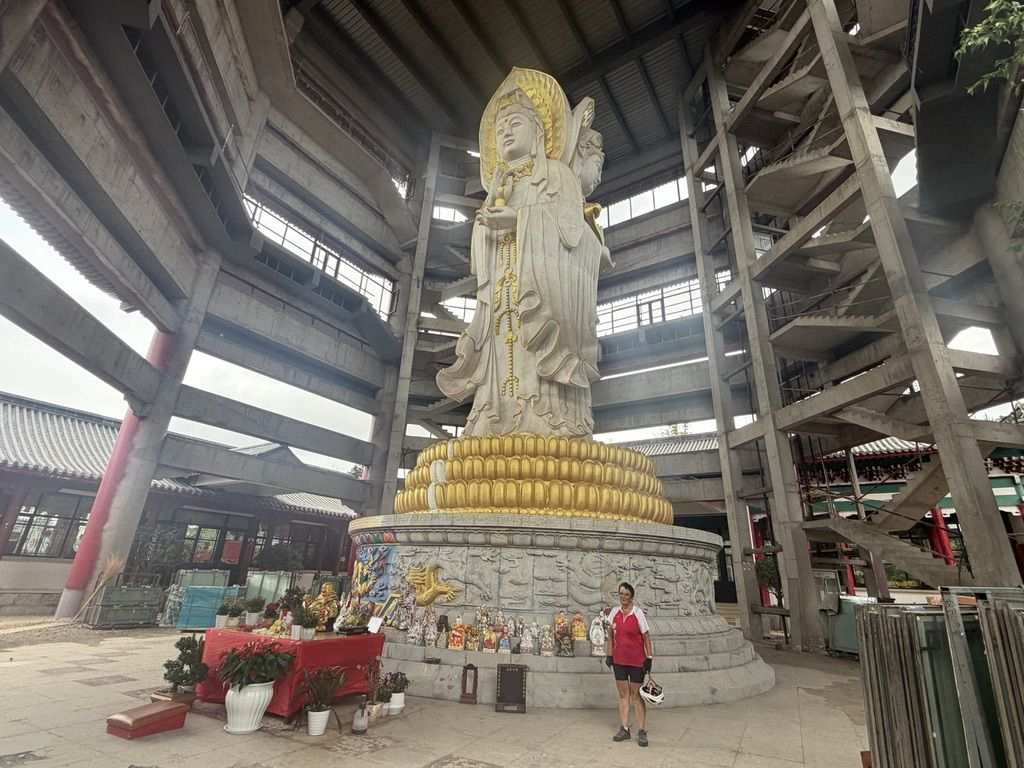
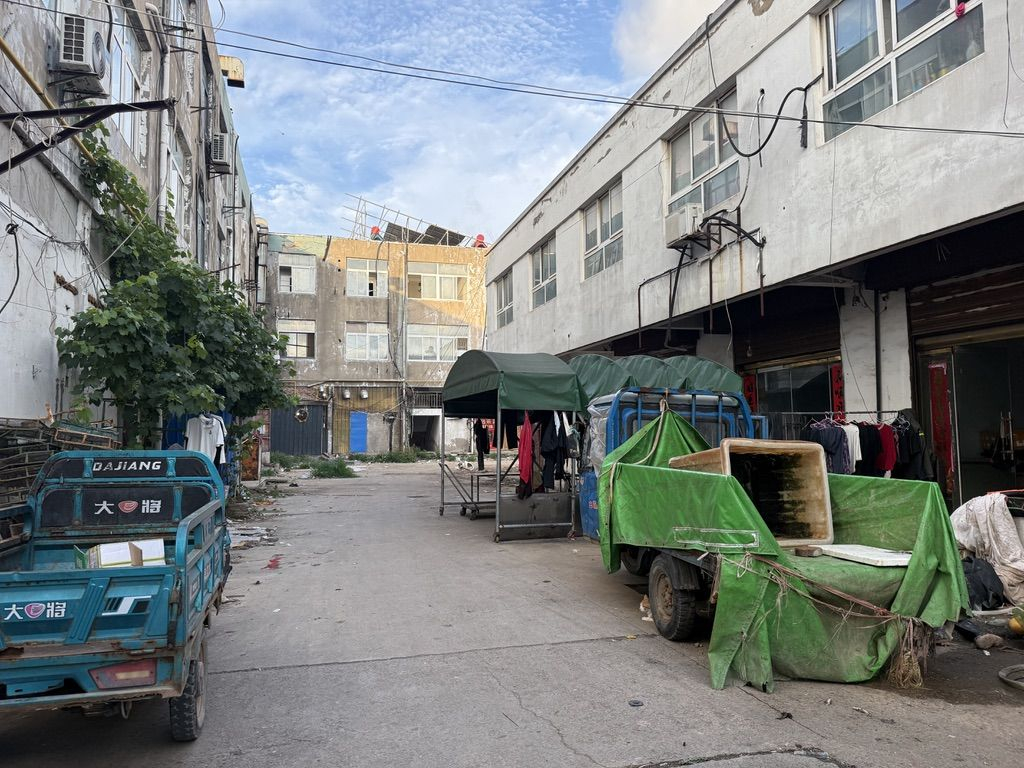
On Friday the 19th, we left Wali, still on Route 228. We passed through villages that seemed to exist in a state of indescribable chaos, where life constantly teemed. We took the opportunity to visit the Longshan Temple Scenic Area. It’s immense; part of it is still under construction, and the other part is inhabited by Buddhist monks. It’s a beautiful temple in the middle of nowhere.
Accident and the police arrived immediately
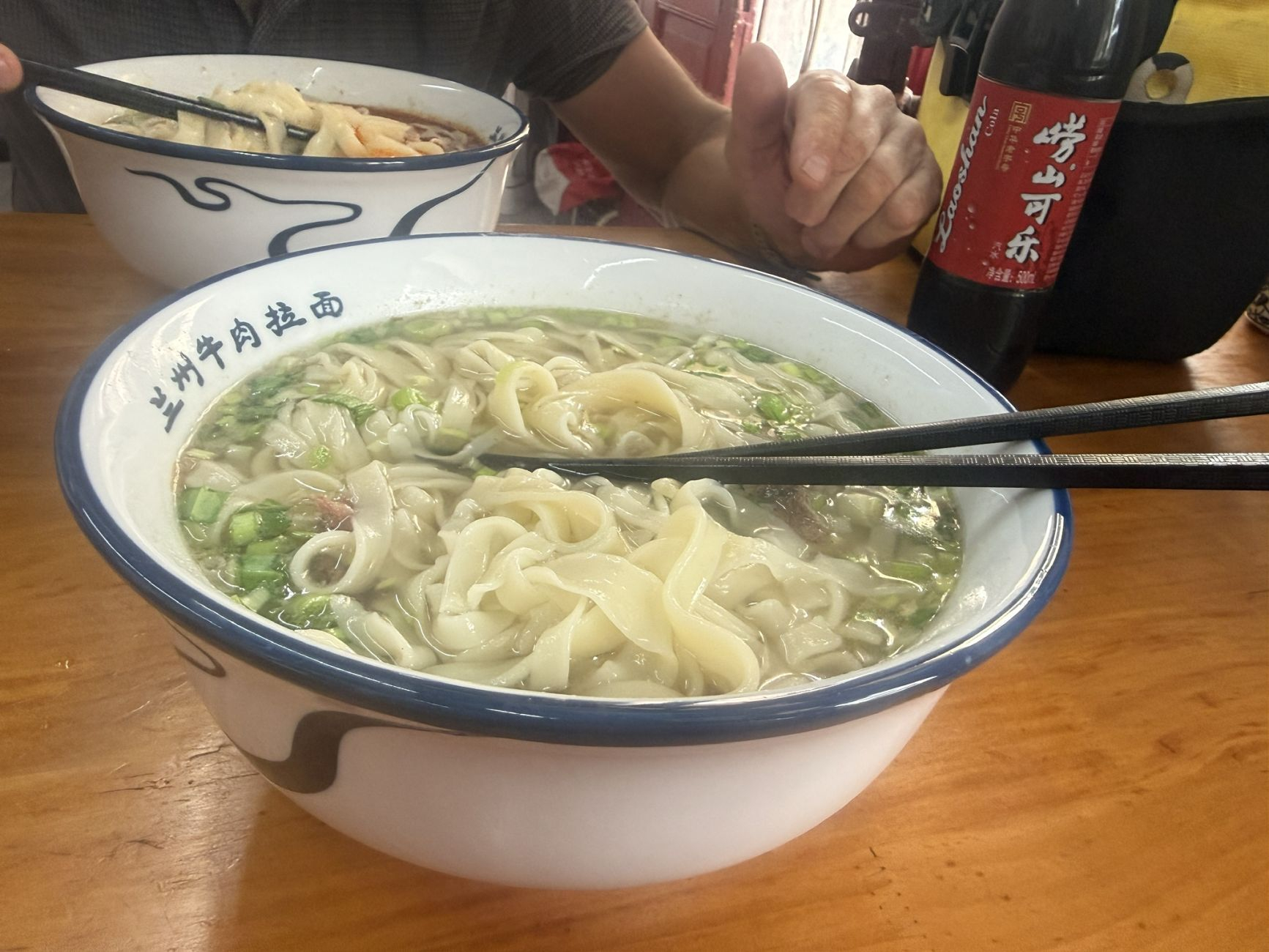
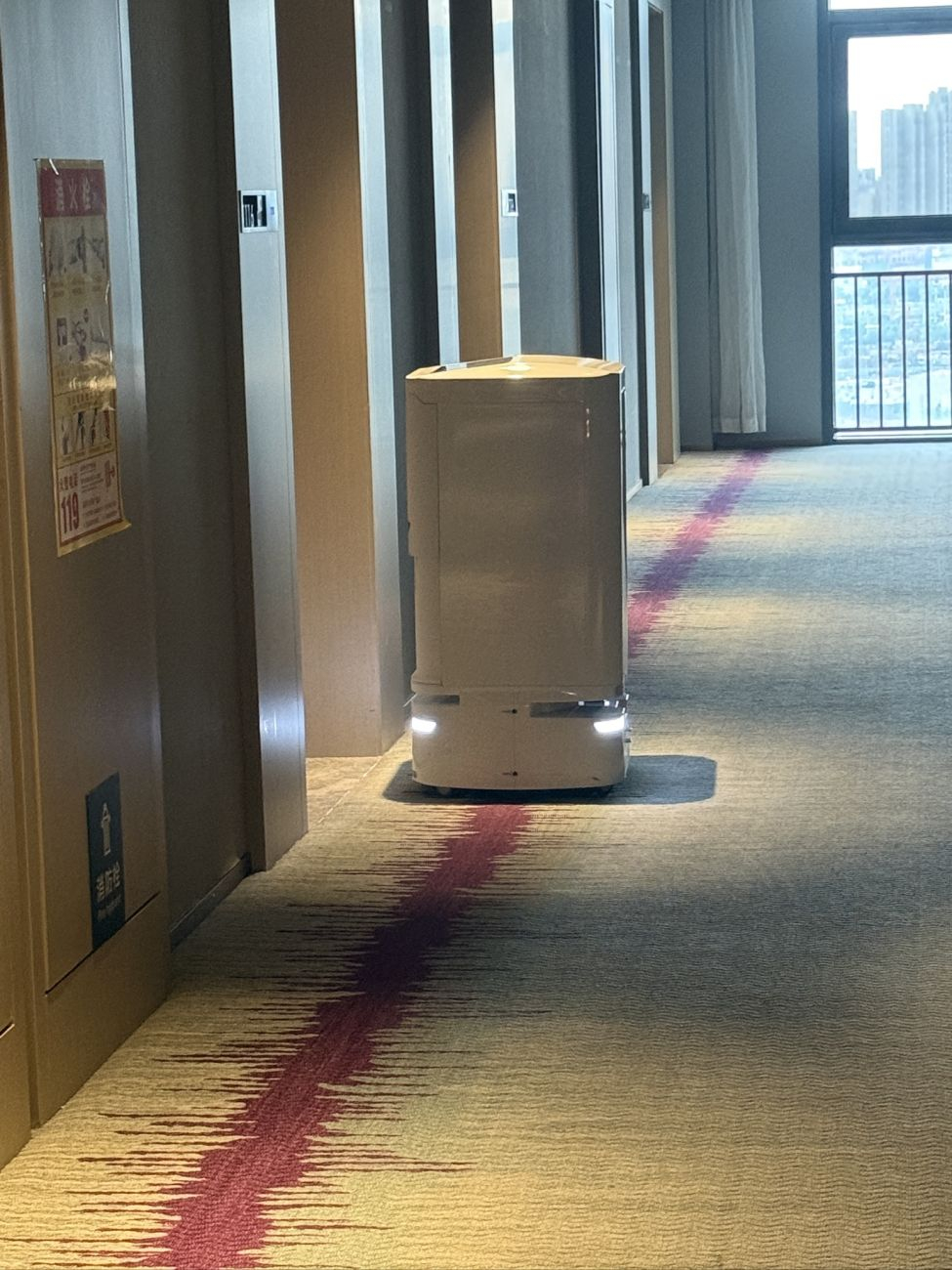
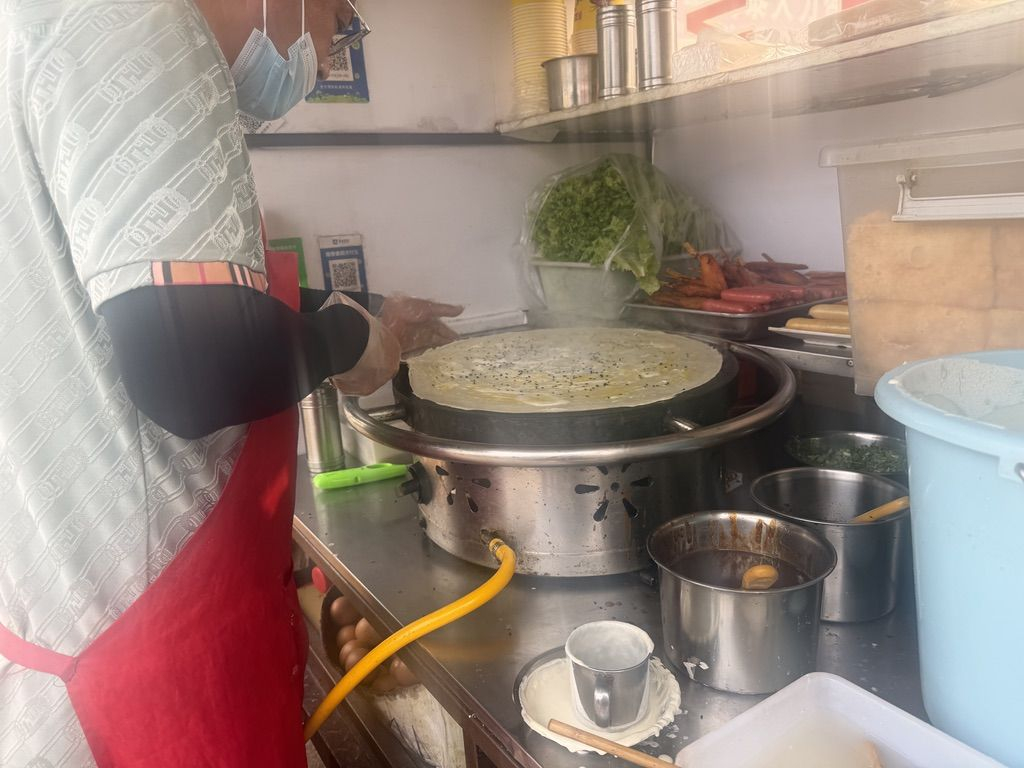
On June 20th, we planned a long day trip to the city of Polizhen. We stayed in a rather luxurious hotel, and the breakfast was amazing. Be warned, though, the food is Chinese and doesn’t resemble bread and butter or croissants, but it was good.
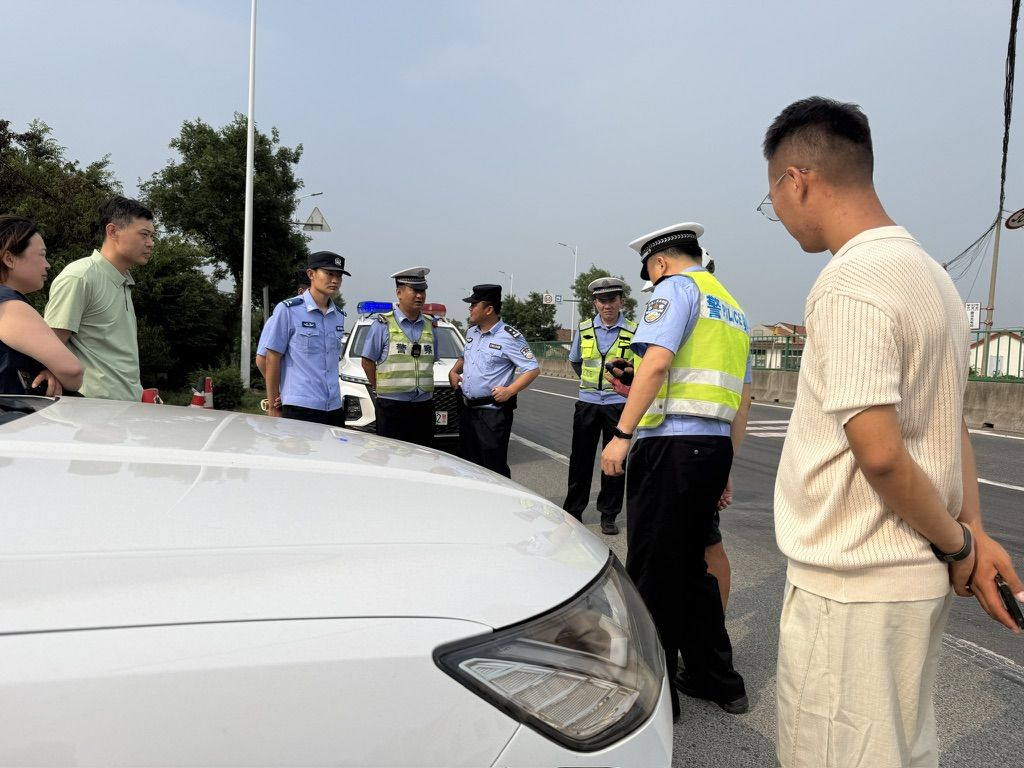
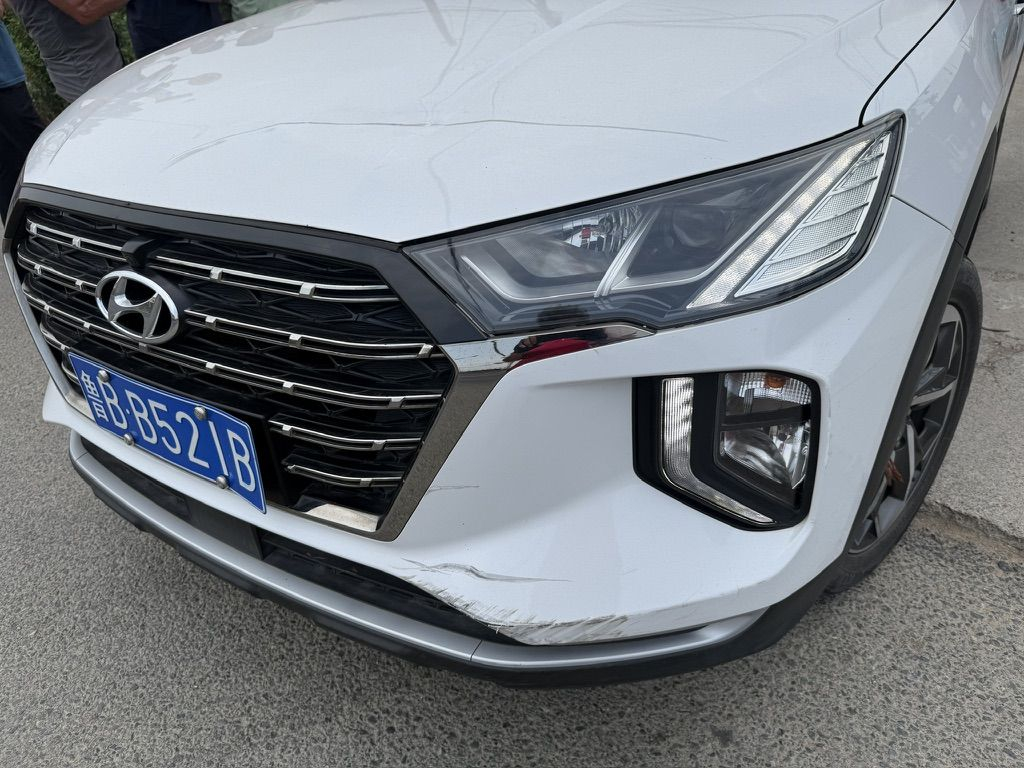
A fairly quiet day that unfortunately ended with a collision with a car that cut across the bike path. Since my bike hit the vehicle, it was necessary to wait for the police to intervene; it’s standard procedure in this country. We waited for the police; six officers arrived 40 minutes later.
And since there’s a camera at every intersection in China, the police arrived with a video recording of the accident. The discussion lasted quite a while, but the police determined the driver was responsible and let us go.
A magnificent beach
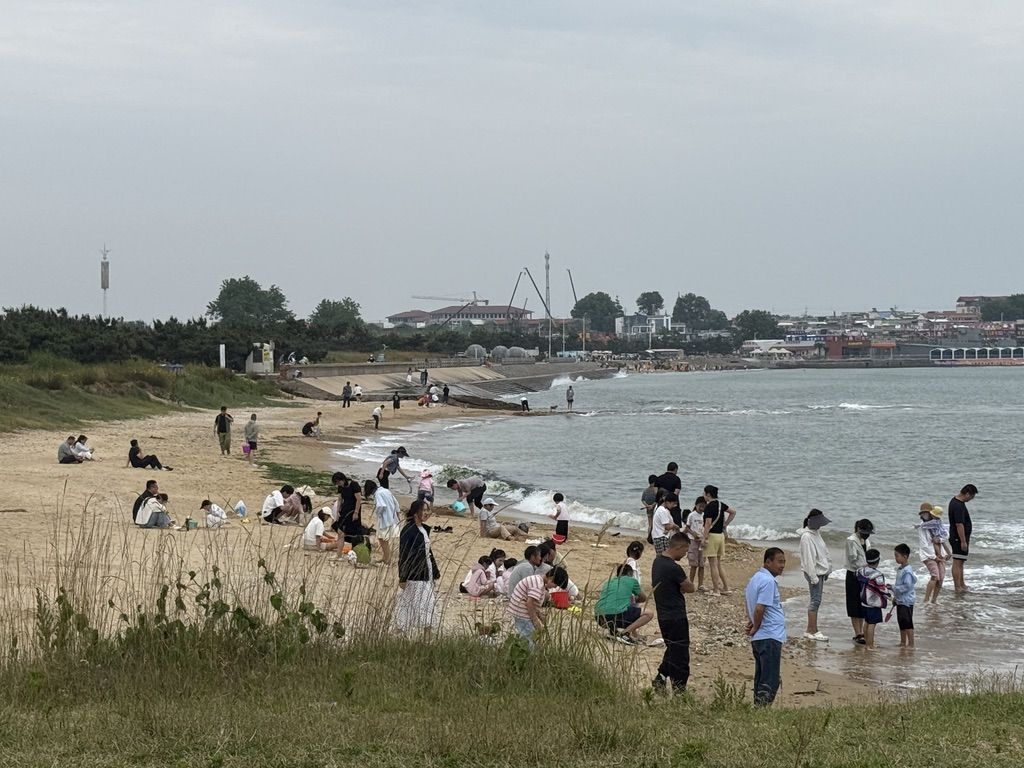
On June 21st, the road takes us to Rizhao, a seaside town with a beach of more than 30km, in China everything is on a grand scale.
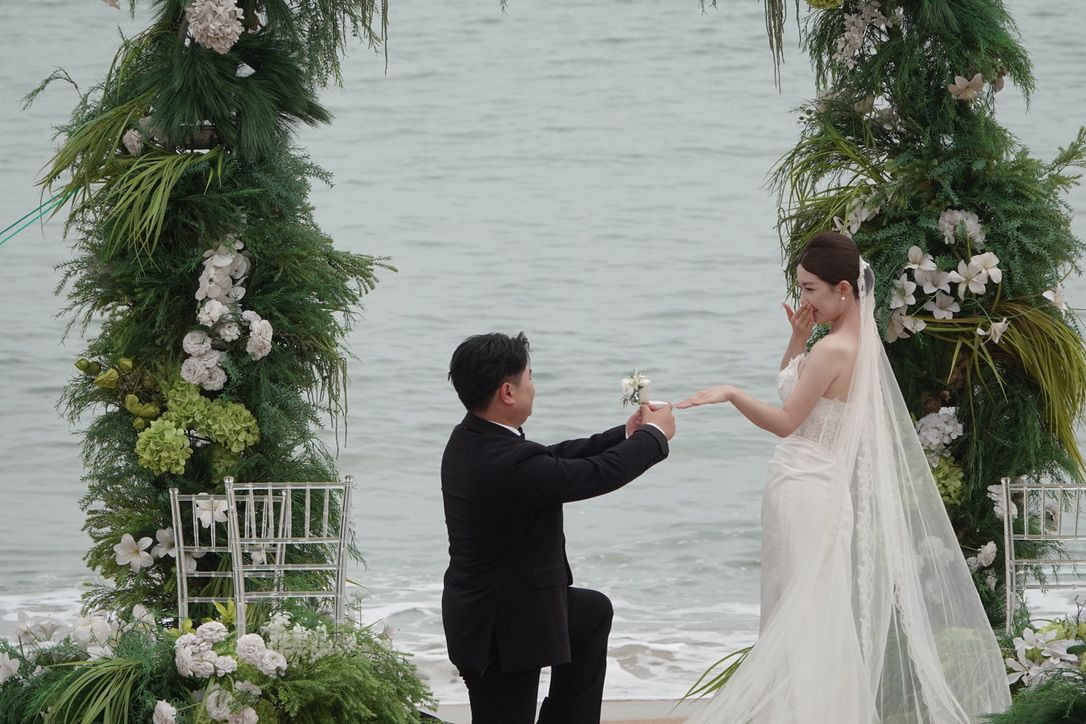
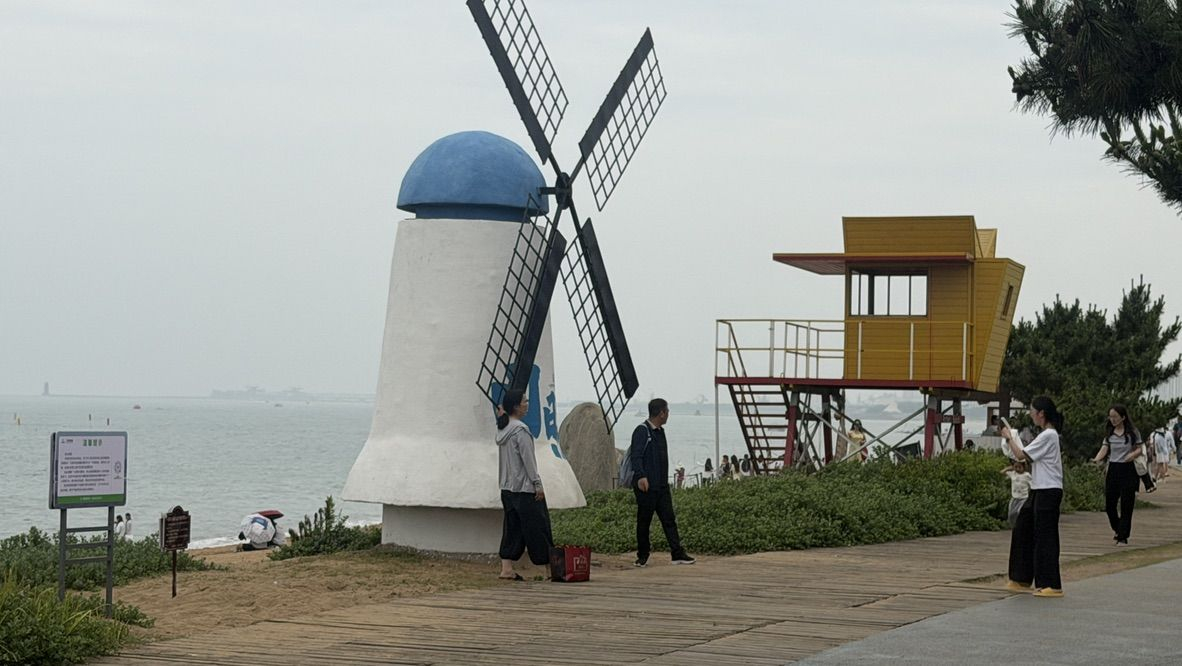
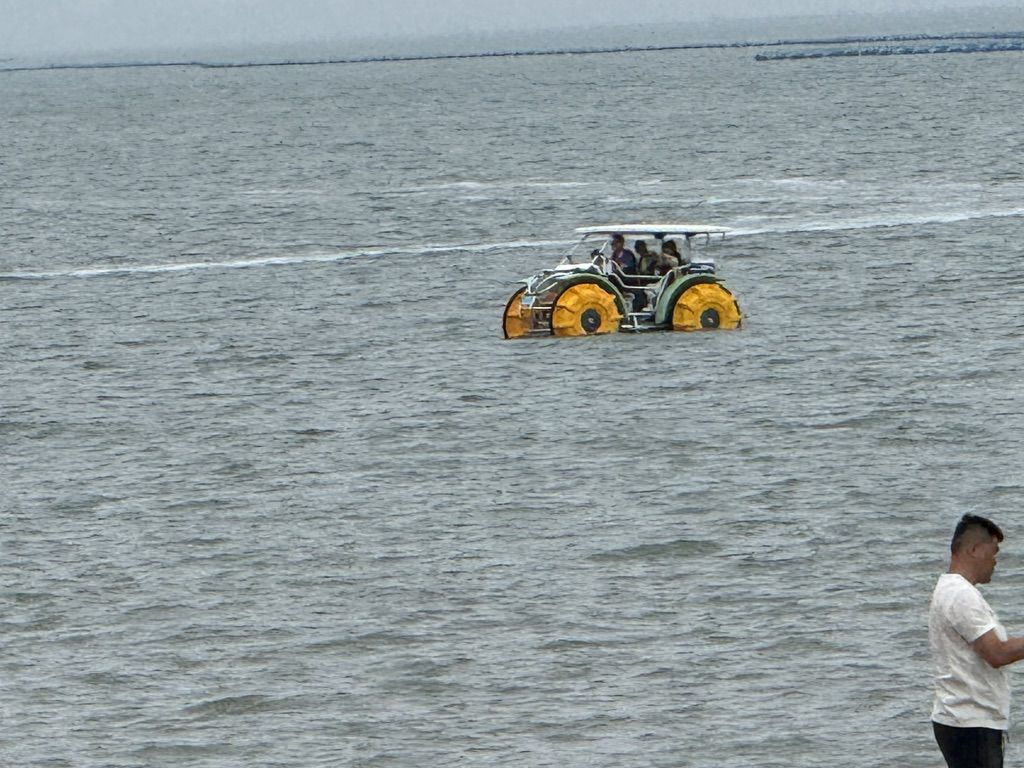
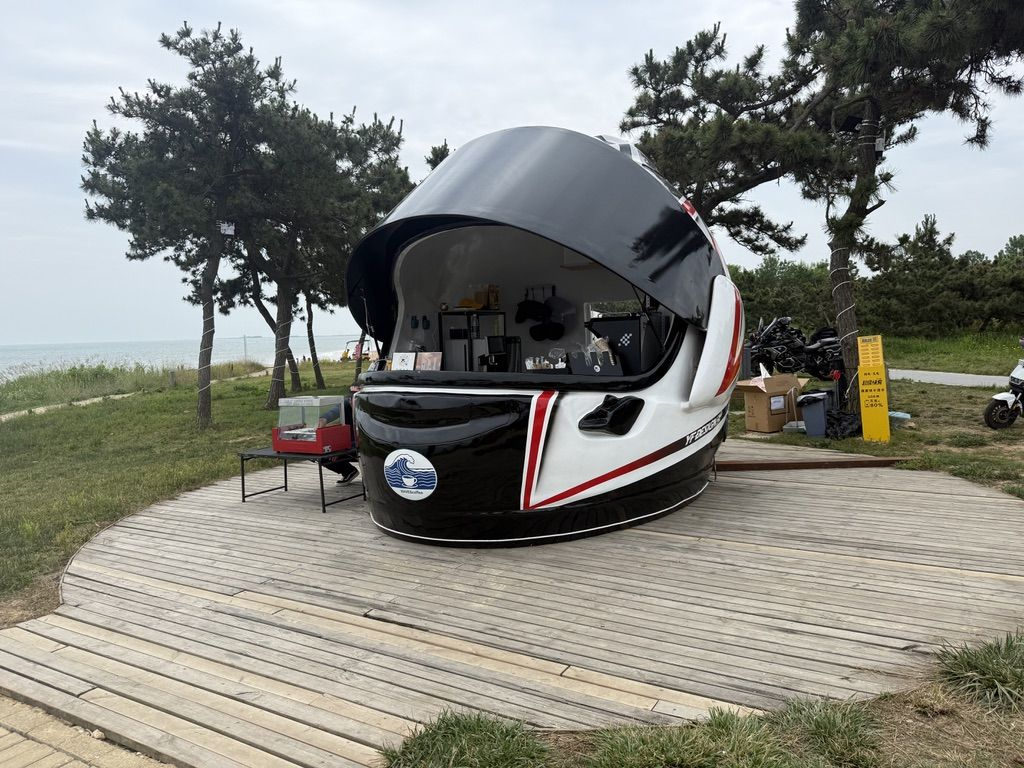
It’s Sunday and the beach is packed, but strangely, no one is swimming. Along the shore, there are some pretty incredible setups: fake stairs, cars, arches, and all sorts of things designed for taking photos and selfies. The Chinese love these kinds of things. During our visit, we came across a few dozen brides and grooms having their wedding photos taken in this rather unusual area.
Thousands of containers
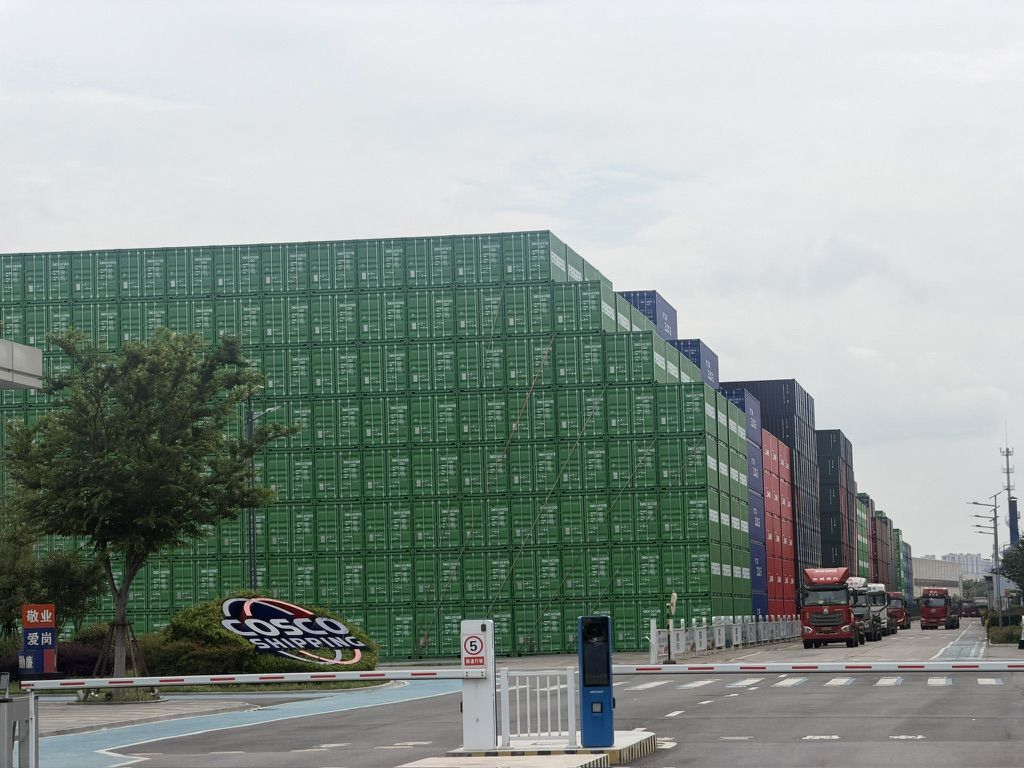
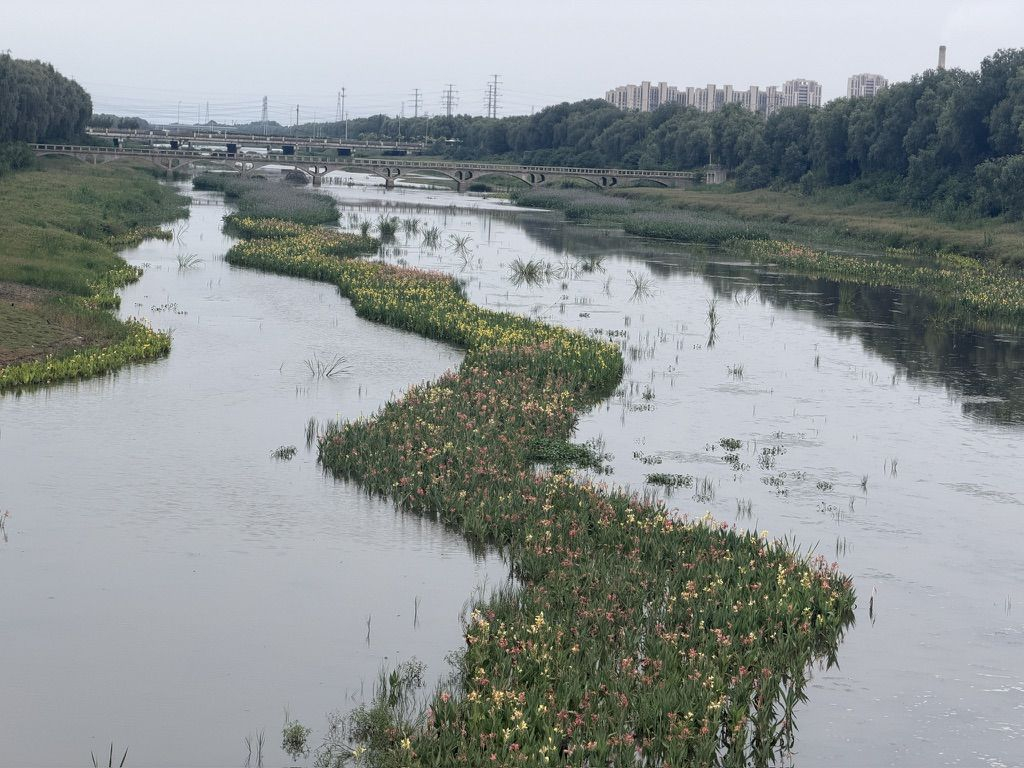
The following days we drove along peacefully without any particular incidents. We alternated between industrial areas and rural landscapes. And since we weren’t far from the ports, we passed near large factories that manufacture containers; there were thousands, perhaps more. It was incredible; the storage space was beyond words.
A rear seat stay broke on the bicycle
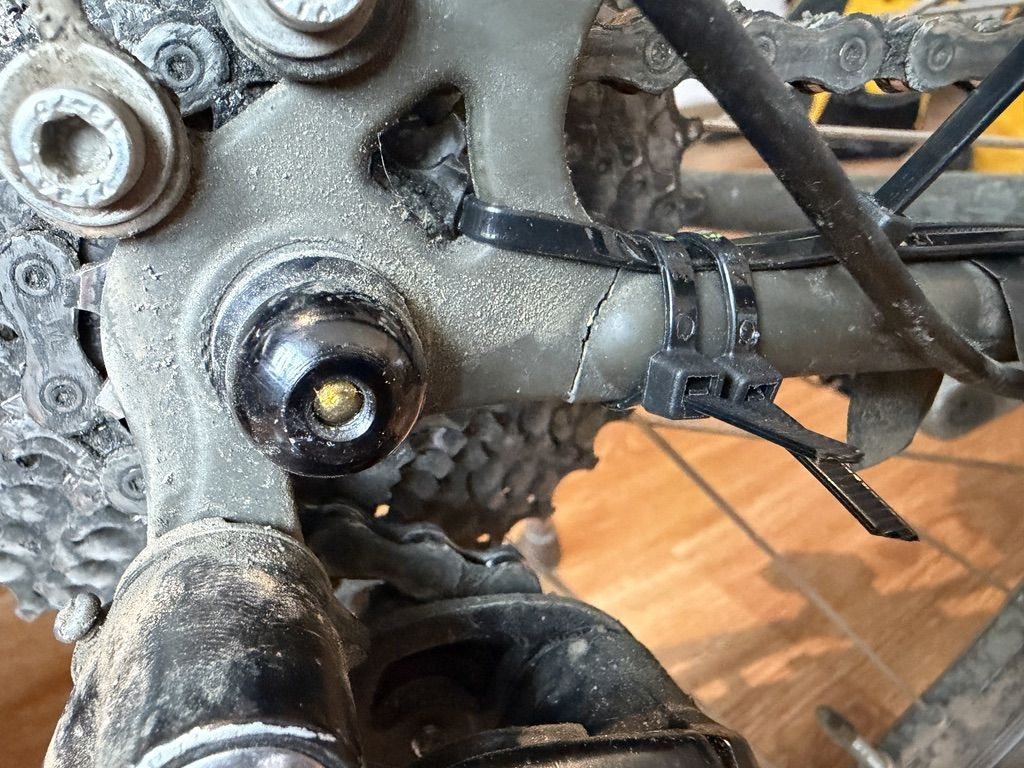
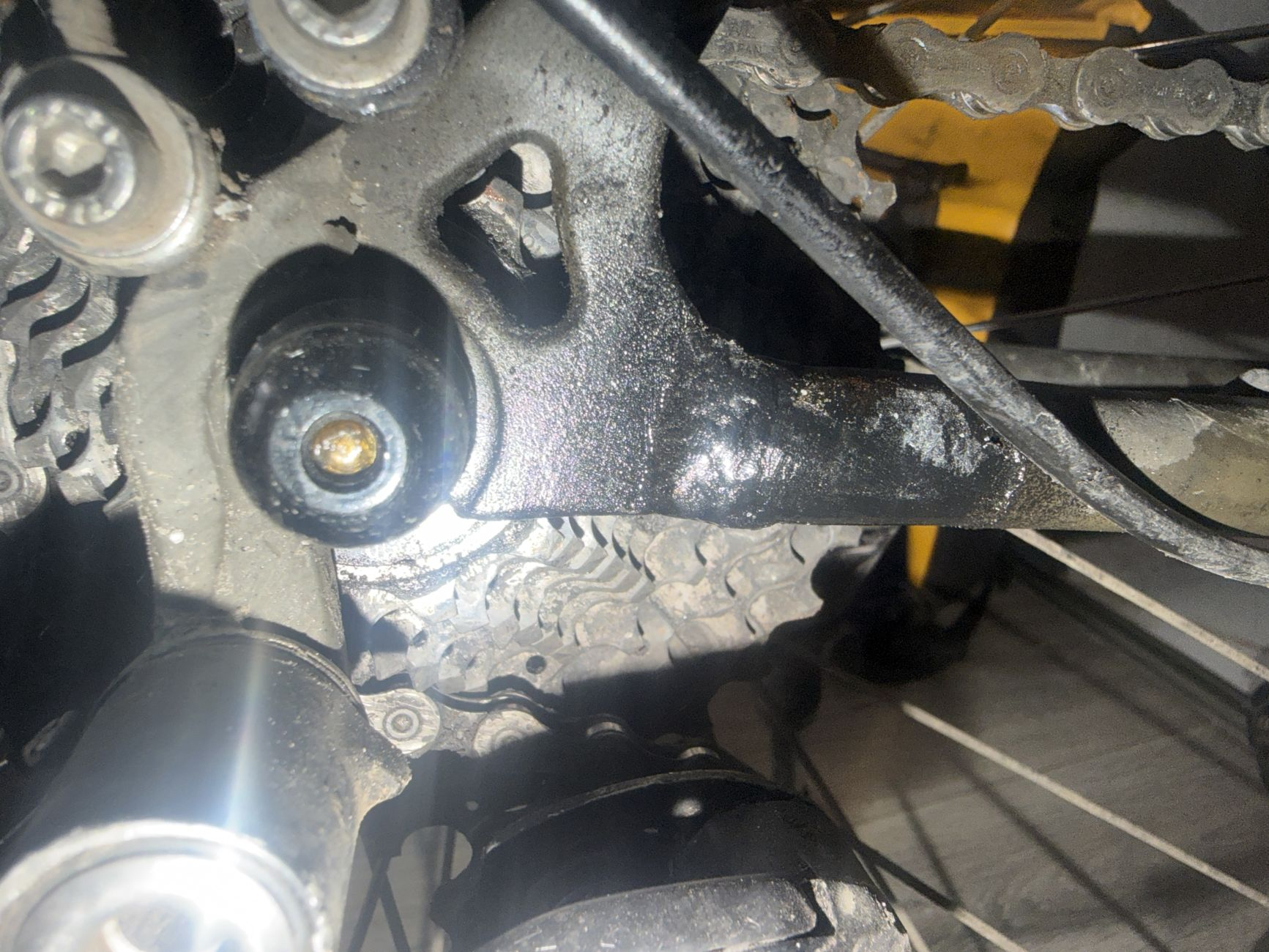
June 24th, an ordinary day that ended with bad news: my bike frame broke at the rear seat stay. I’ll have to find a repair shop.
With the hotel staff, we are arranging a taxi ride to the city of Yancheng, located about 70km away, where we will pick up the repairman.
China, an open-air workshop
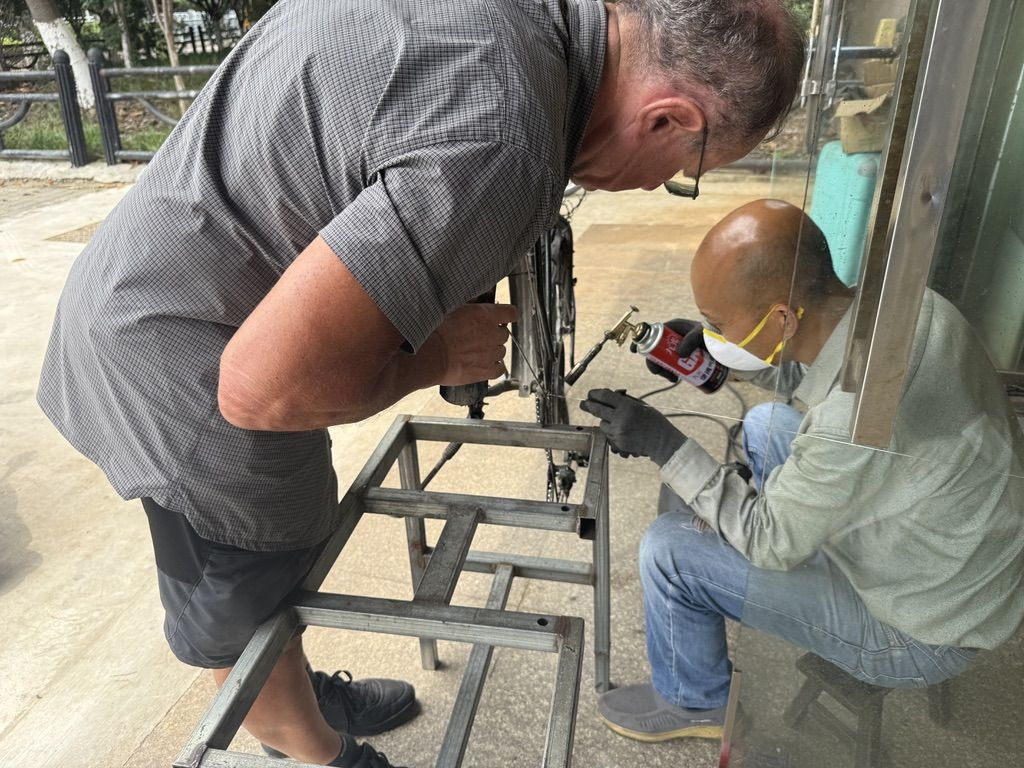
Yancheng is a new city of 5 million inhabitants. The owner of a bicycle shop recommended an experienced welder to repair the broken part. The welding workshop was a small shop equipped with all the necessary welding equipment. The repairman, a craftsman who worked alone with his wife, carried out the repair using a procedure appropriate for the steel of my bicycle. In less than two hours, the repair was completed and the bicycle was operational again.
After fifteen intense days, we took advantage of this incident to take a day off and visit the city of Yancheng.
Our meetings:
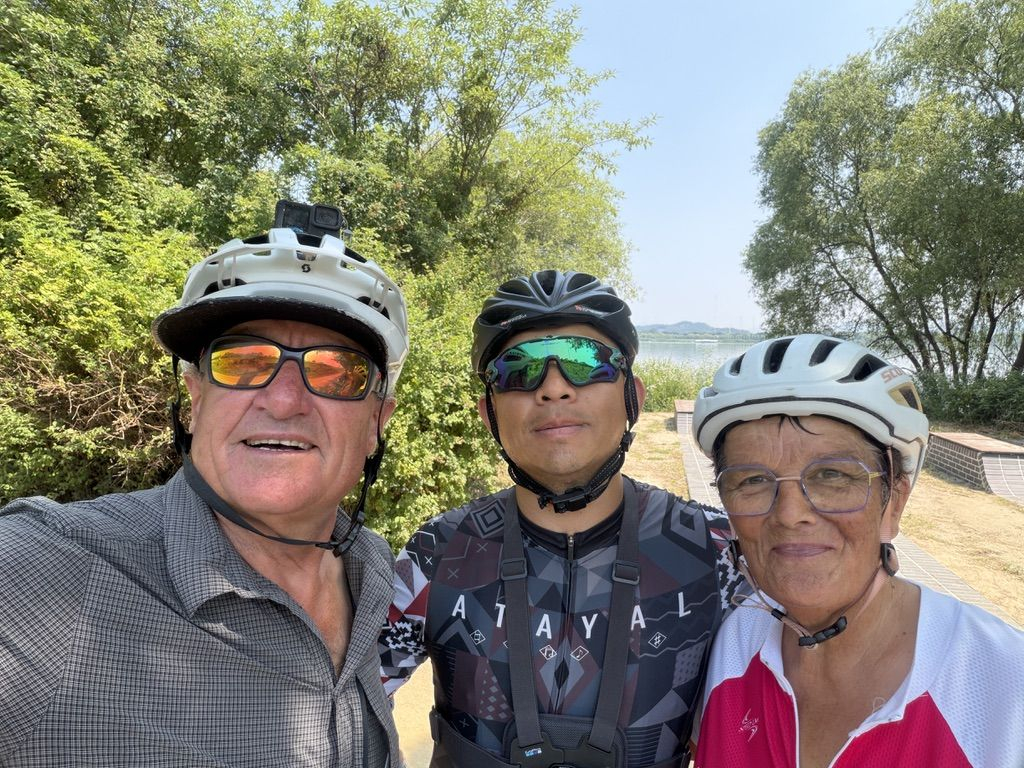
- Mushin, a Taiwanese man who traveled to Korea and Japan for three months. Quite a surprising person. He speaks English, Japanese, Taiwanese, and understands Korean.
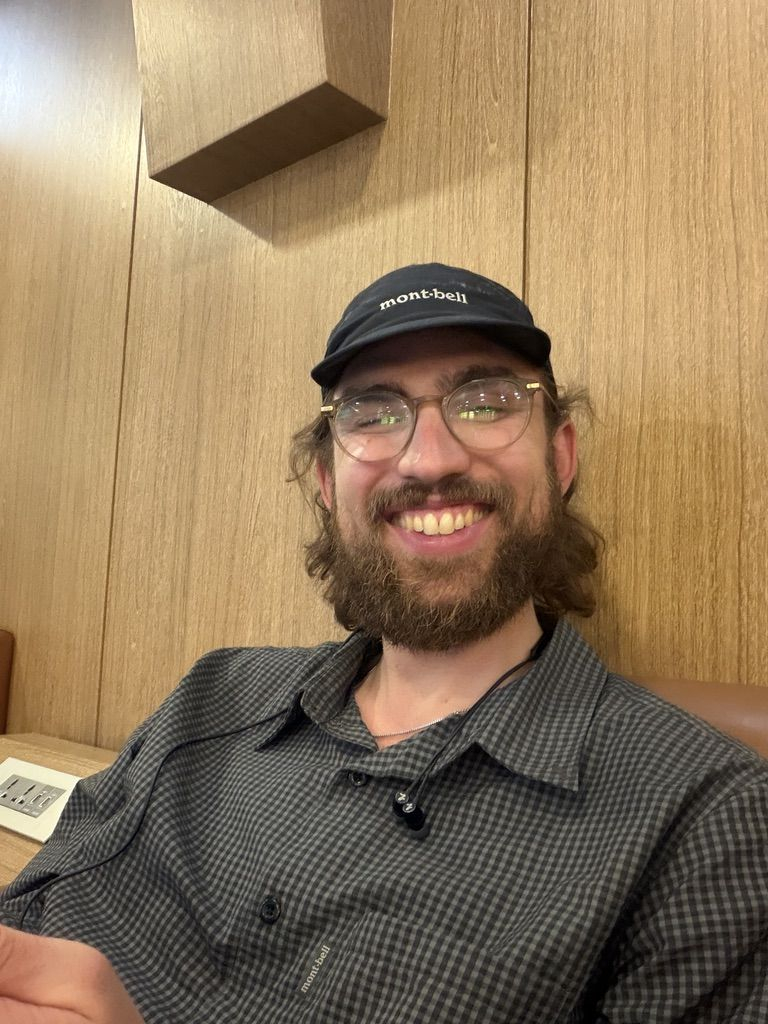
- James, an Englishman, who travels for three months in China.
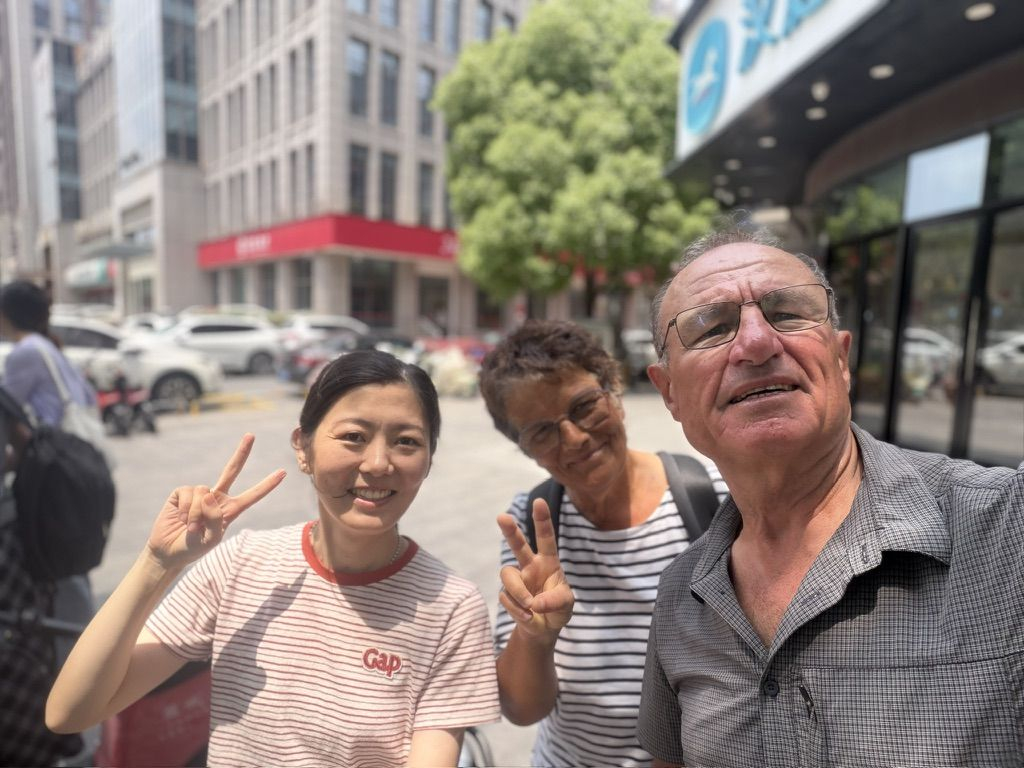
- A Chinese woman wanted to talk with us. She spoke perfect English and we were able to discuss life in the country and its birth policy.
Did you know: China has more than 100 cities with 5 million inhabitants or more; by comparison, only six cities in Europe exceed this figure. The largest metropolitan area, Chongqing, has 32 million inhabitants, almost half the population of France.
Chinese proverb : One single moment of joy chases away a hundred moments of sadness.
Route: We covered 796 km during these 12 days. You can find the route by clicking HERE.