

Share This Article
From April 15th to 19th, visit to Tokyo, the capital of Japan
How complicated!
On Wednesday, April 15, 2026, we arrived at Haneda Airport in Tokyo, Japan. The airport is enormous, and the culture shock was quite intense in a country where it’s very difficult to read the signs in Japanese. After collecting our luggage and reassembling our bikes, we set off towards the center of the Japanese capital. Despite using a GPS, it was still difficult to find our way around this megalopolis. We had to immediately learn to ride on the left, otherwise, it would quickly become a disaster. After more than 20 km and 3 hours of cycling, we finally arrived at our destination.
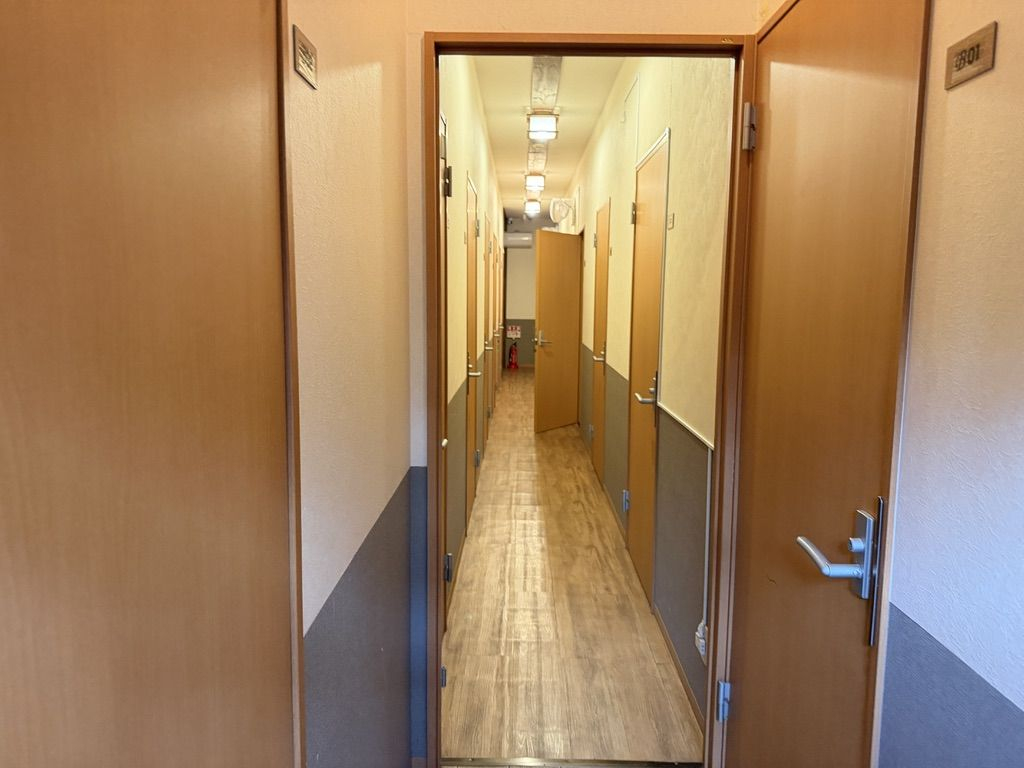
Our first impression of the hotel: it’s tiny and packed with people. A room with a bed and no space around it.
Parks in Tokyo
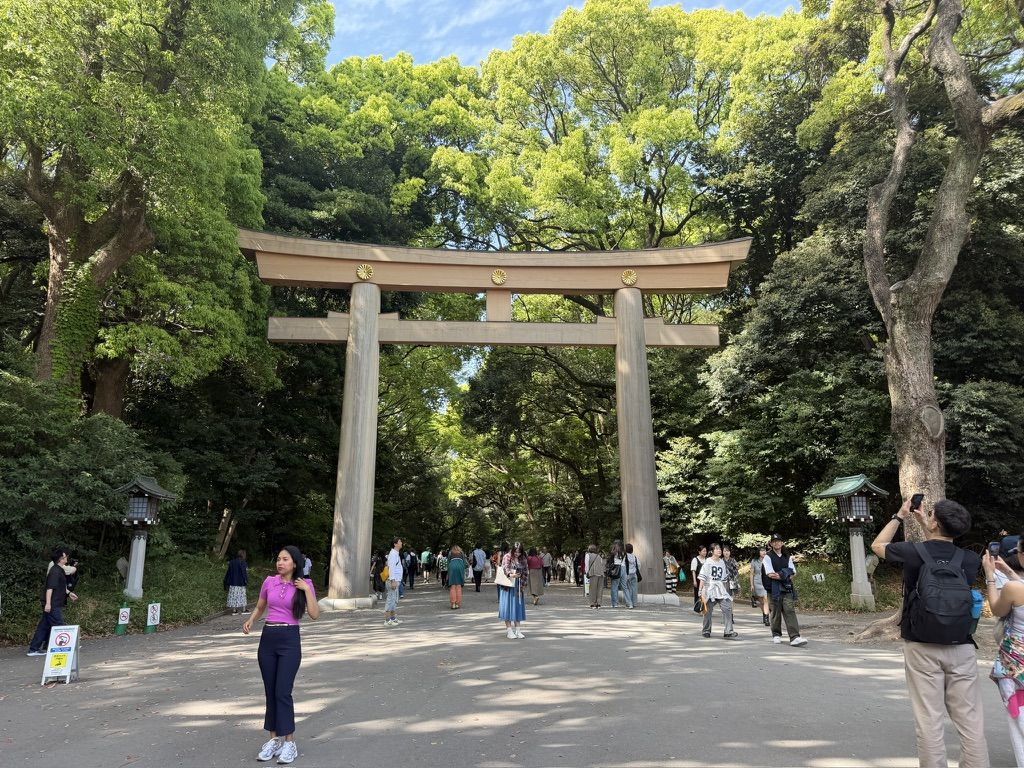
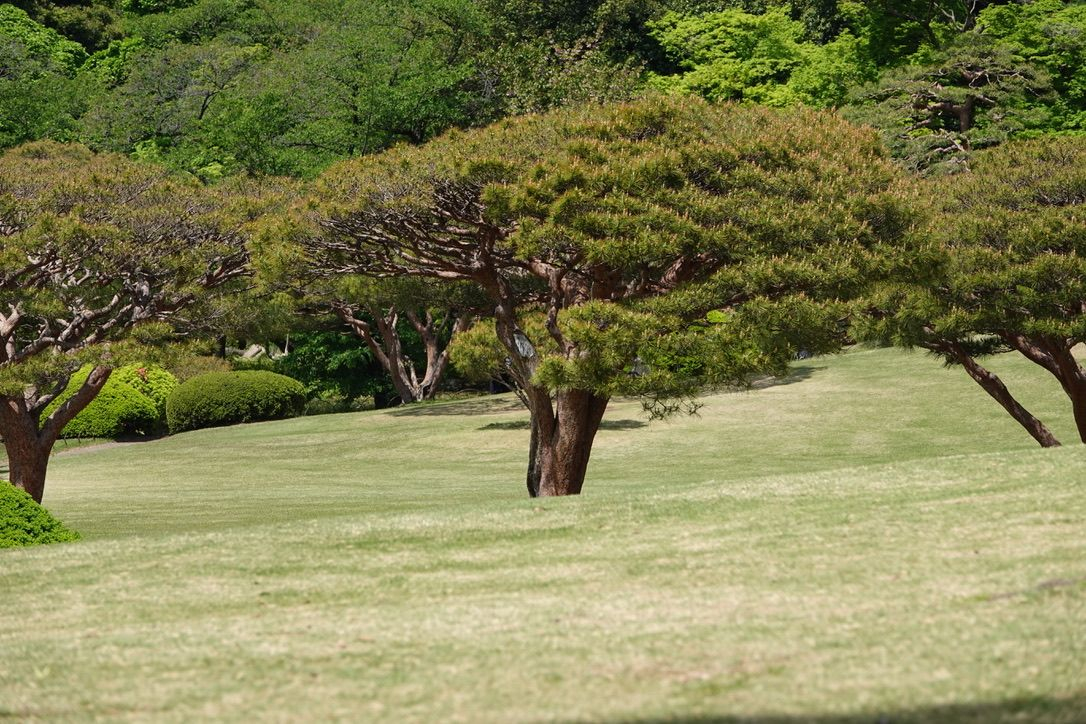
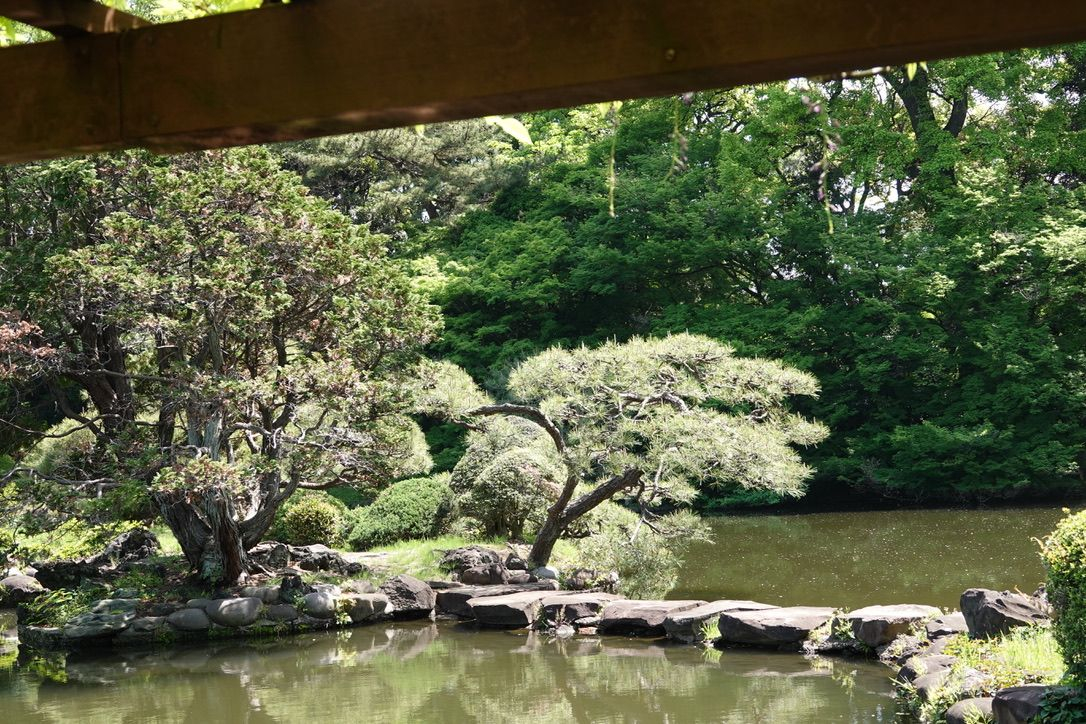
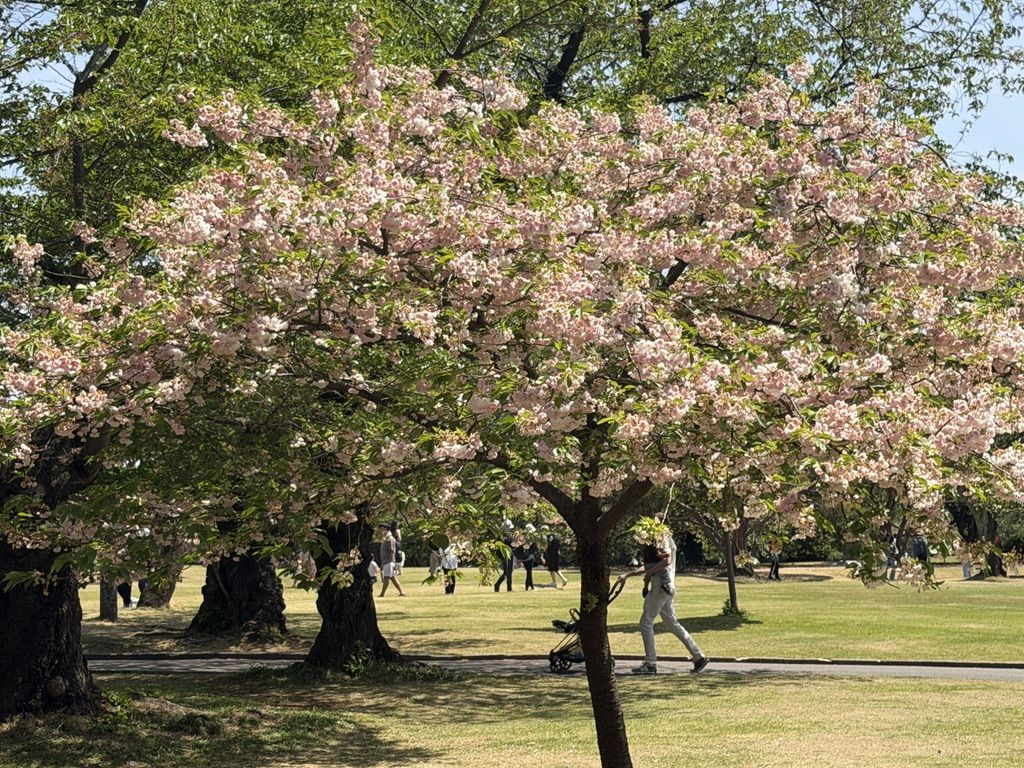
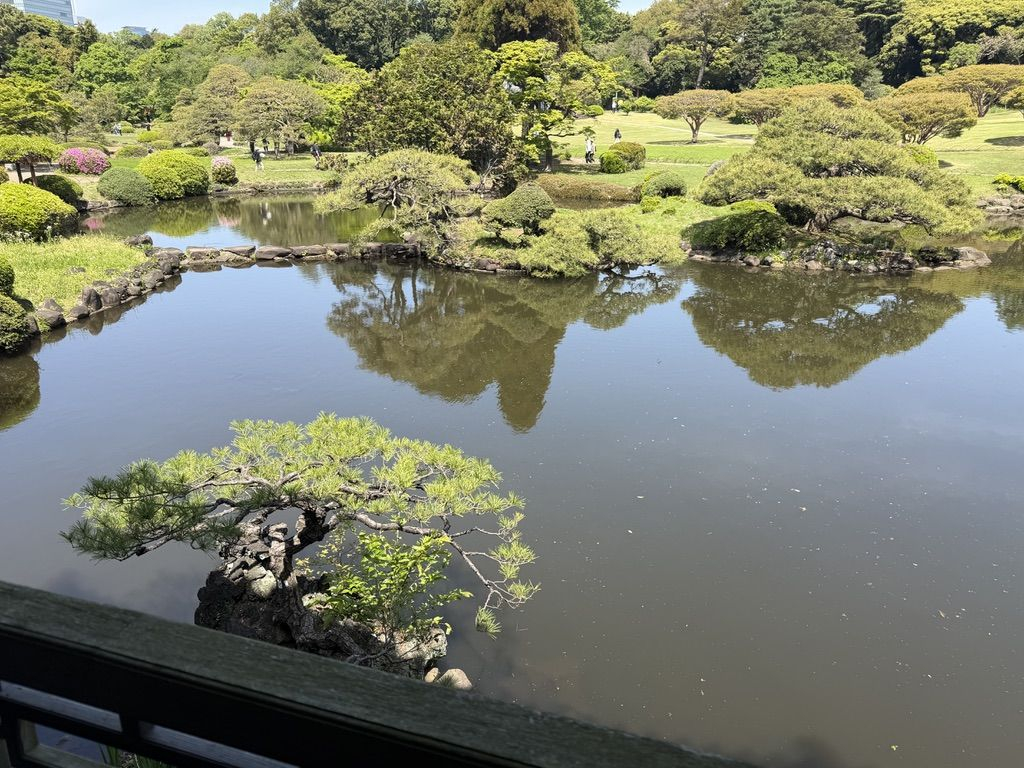
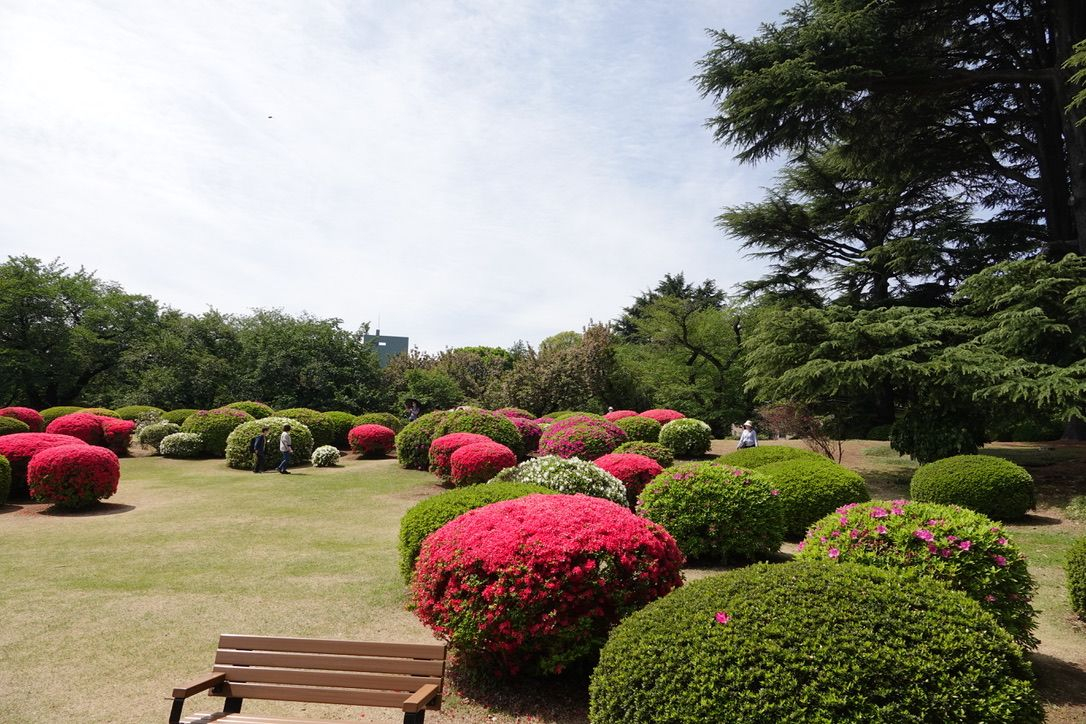
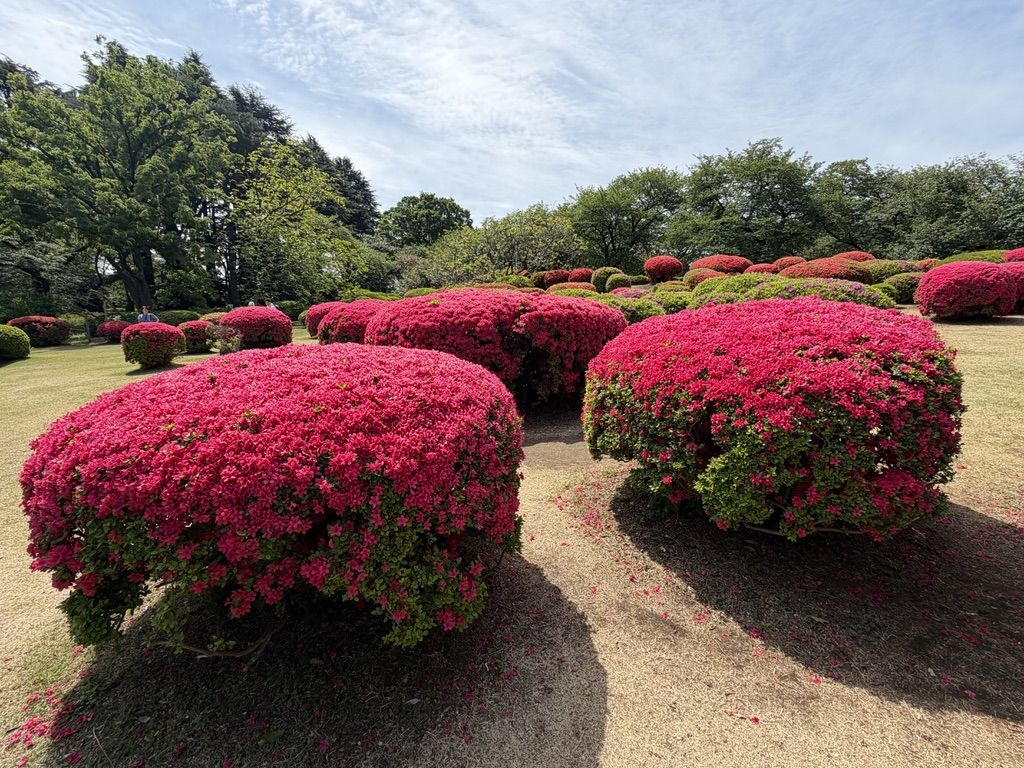
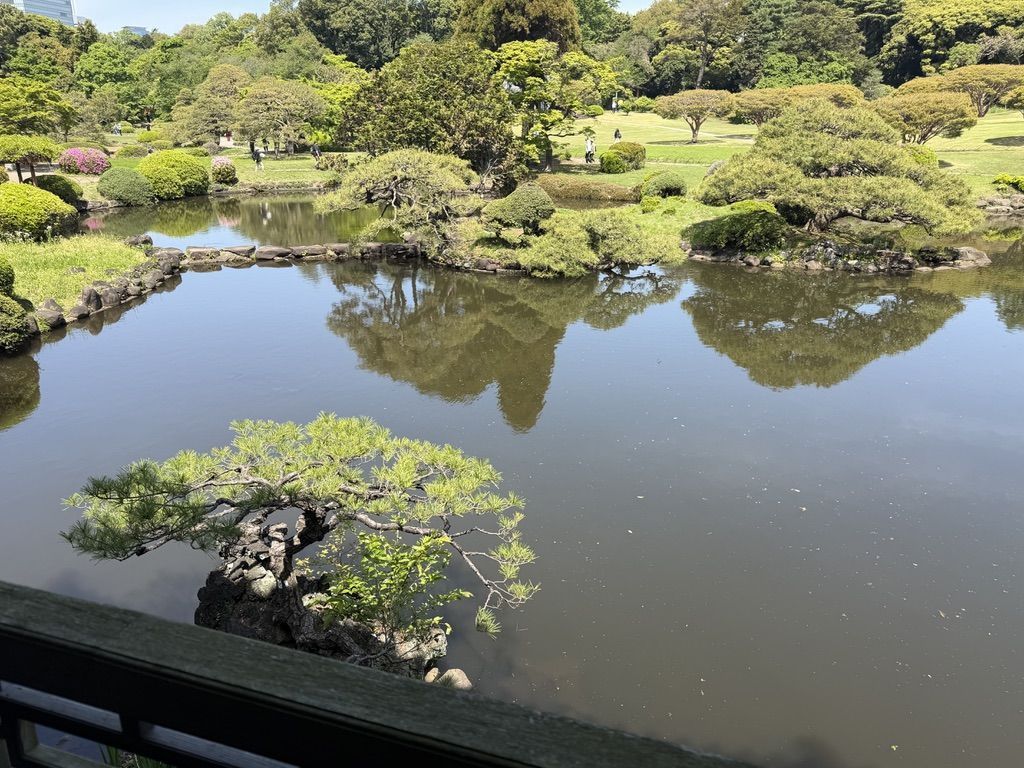
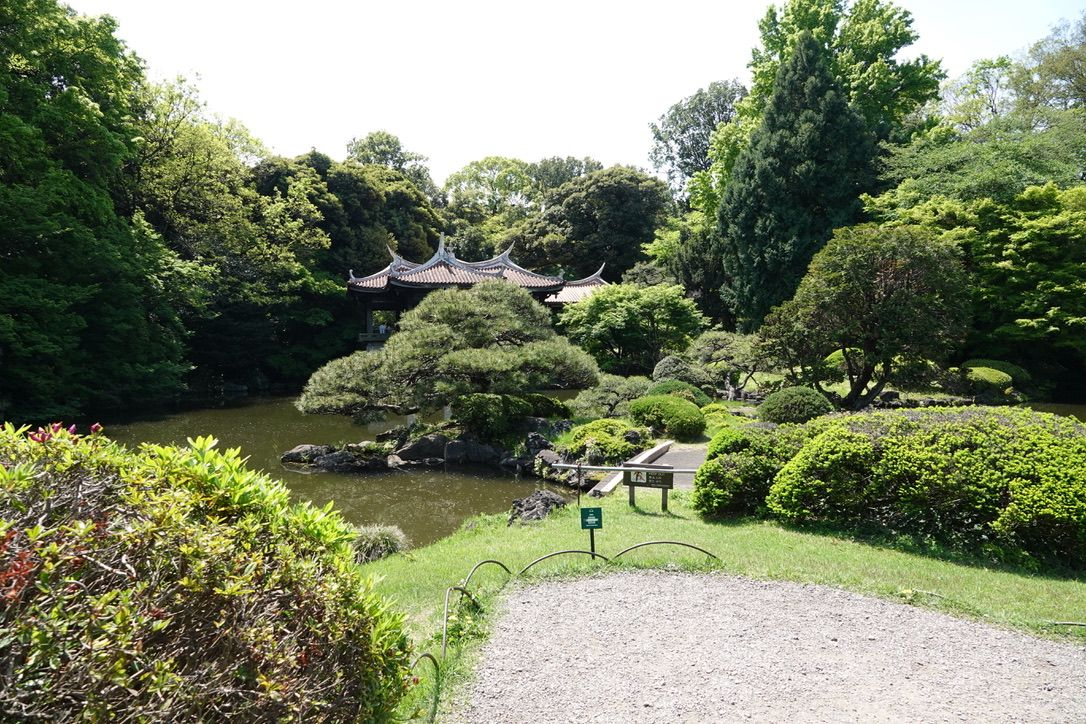
They are numerous, and the Japanese love to gather there. We visited the immense Gyoen Park. It is dedicated to trees from all over the world and to Japanese gardens. Of course, cherry trees, the powerful symbol of Japan, are there. However, they were a little faded when we were there. In spring, they attract many visitors who come to photograph them.
The Imperial Gardens are also a must-see when visiting Tokyo. Here again, crowds are everywhere.
The temples
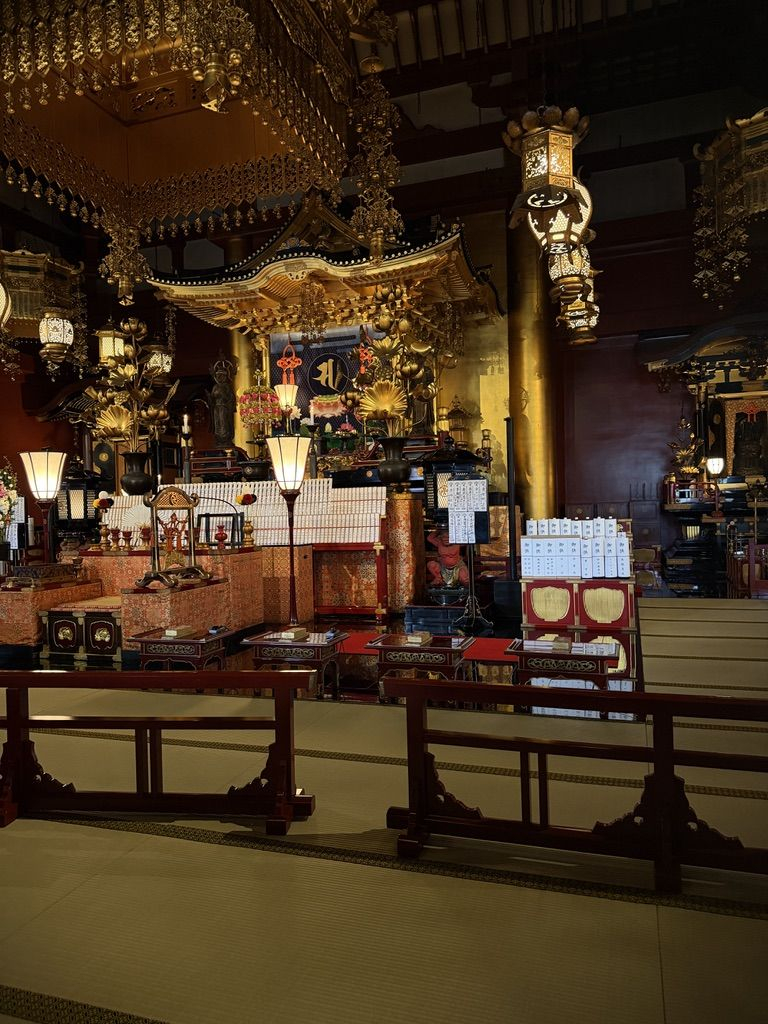
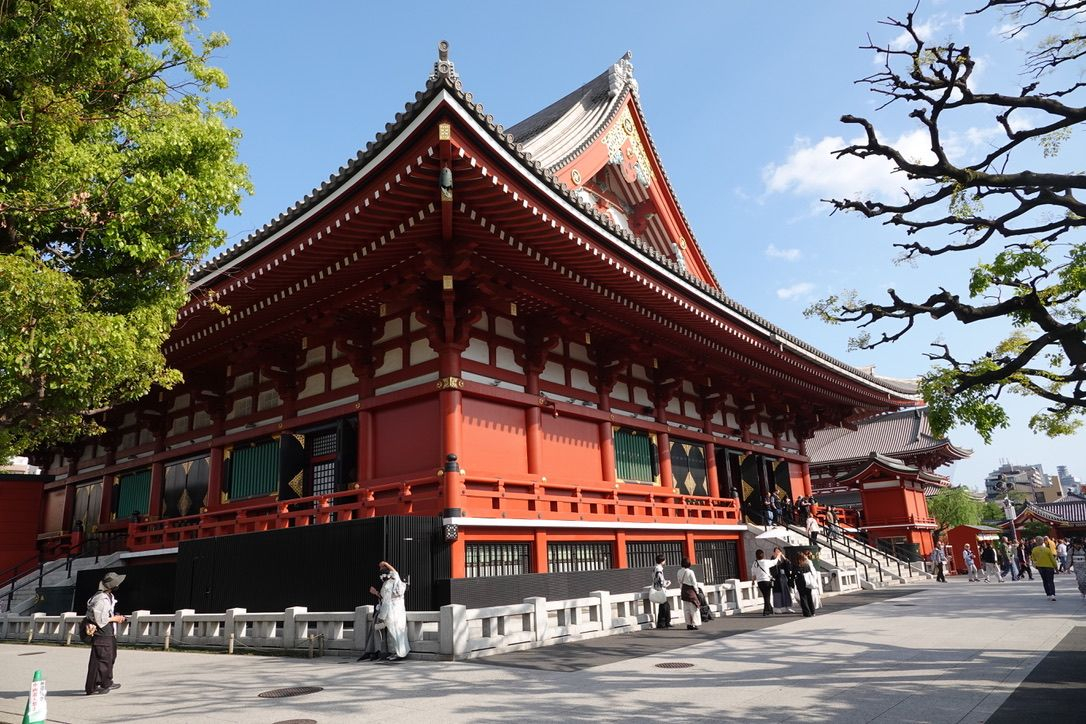
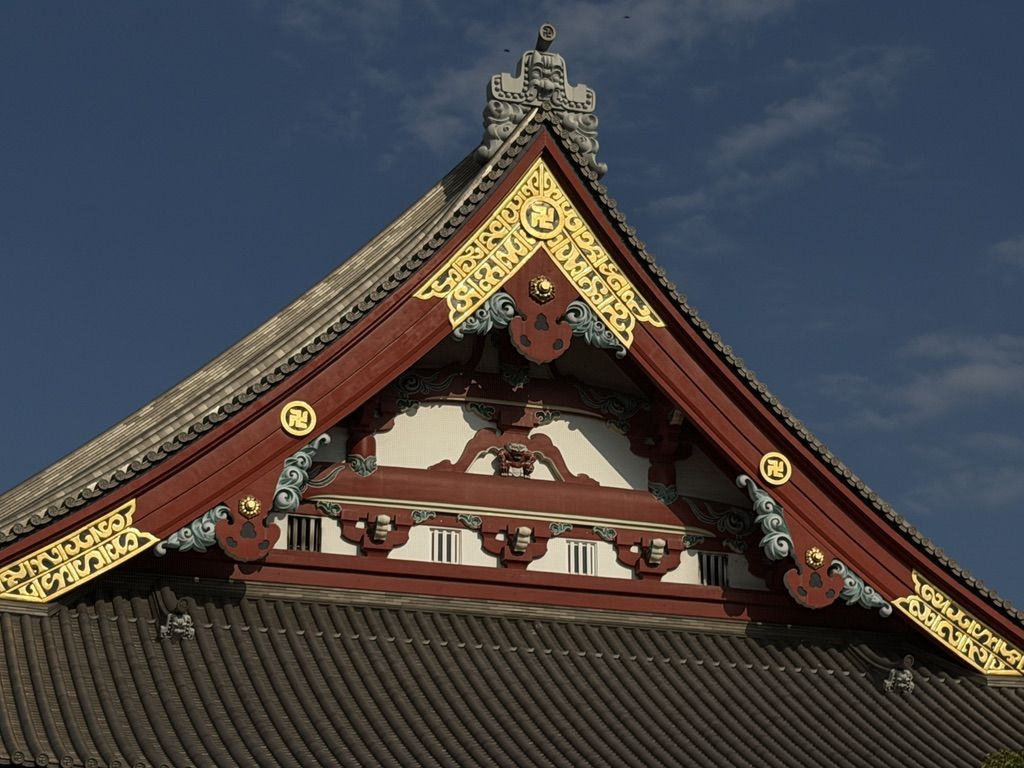
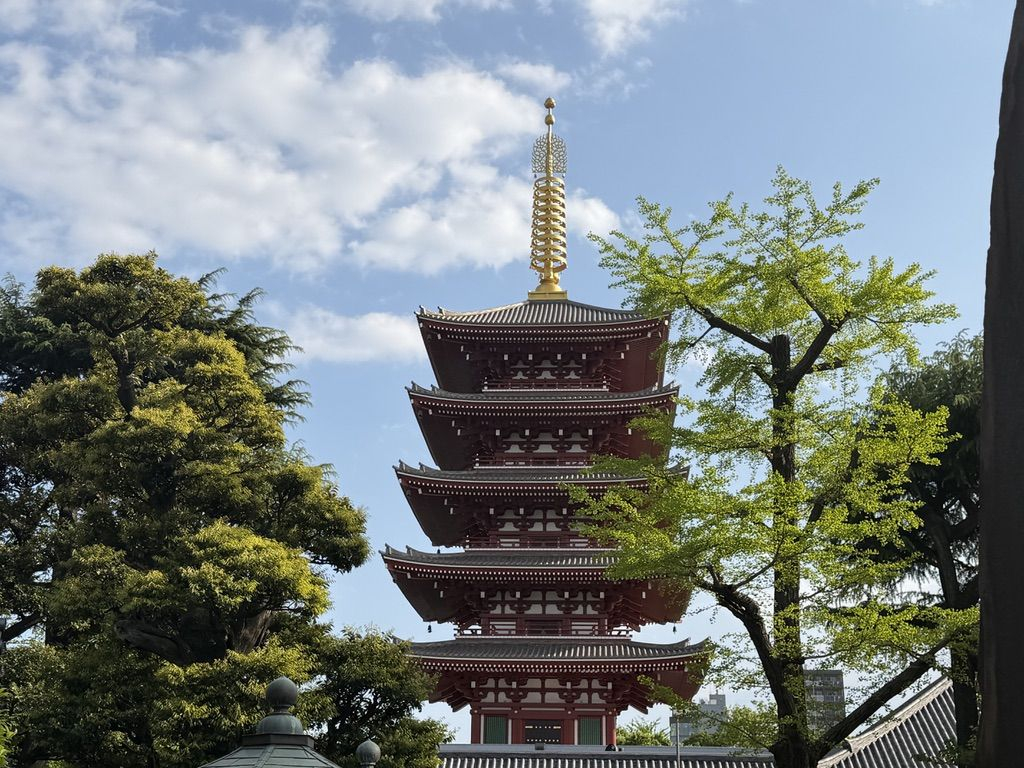
Since Japan is primarily a Buddhist religion, temples are numerous in the city. We took the opportunity to visit Senso-ji in the Asakusa district, the oldest temple in Japan. Japanese people come here regularly, and the ritual for entering is rigorous; these are places of prayer and offerings in cash.
The most photographed dog statue in the world
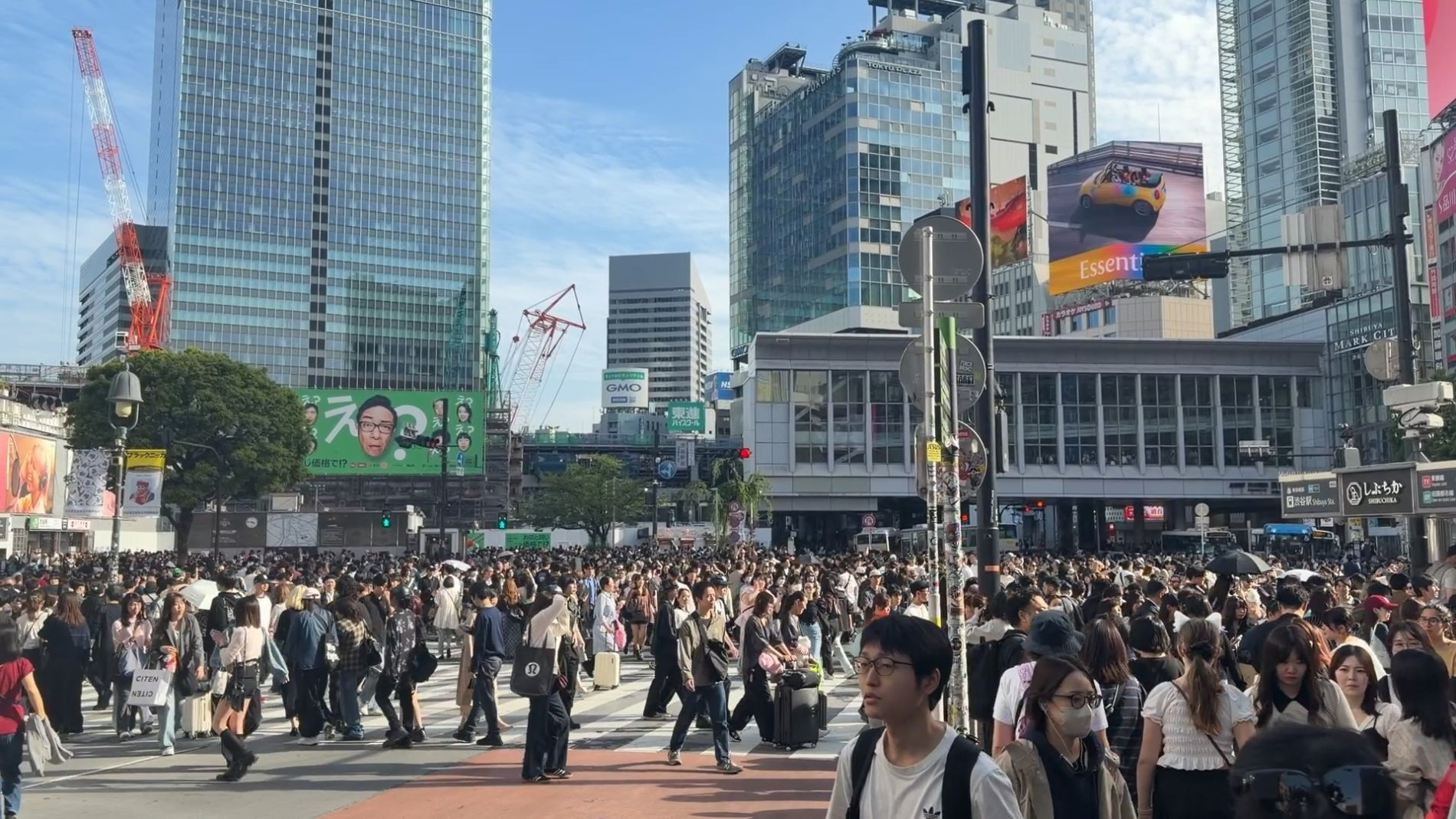
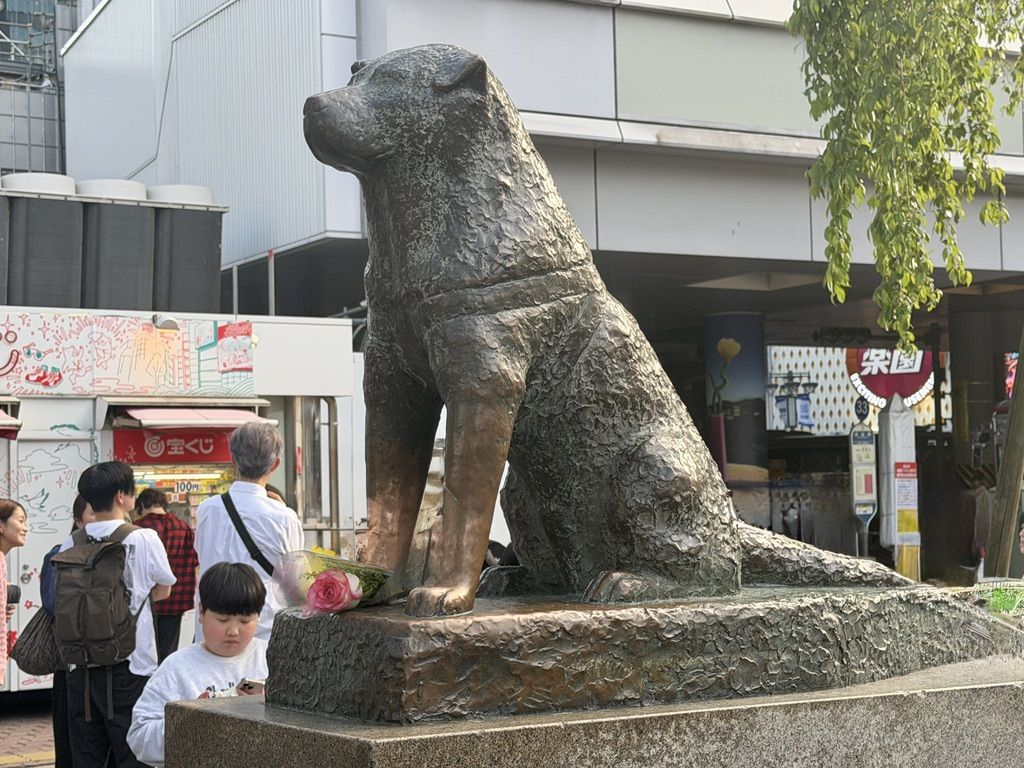
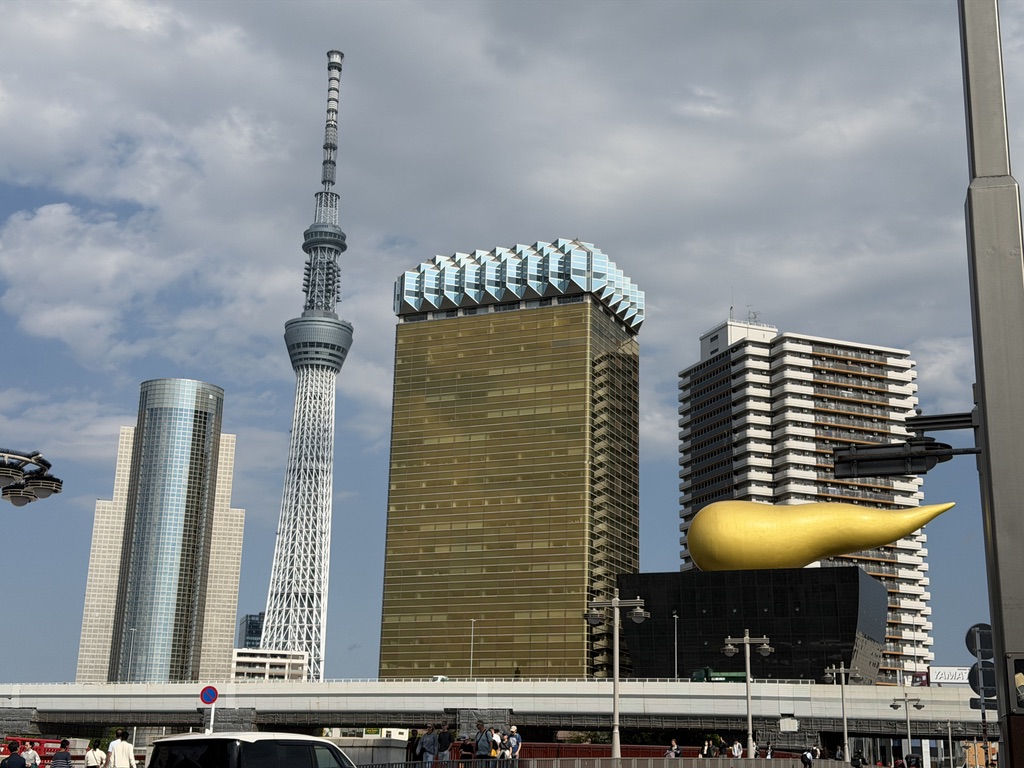
Tokyo is a modern city where everything is on a grand scale. In the Shibuya district, there’s a giant intersection. When the lights turn green, hundreds, even more, surge across the intersection, creating an impressive crowd. It’s in this same popular tourist spot that you can see the statue of Hachikō. This is the story of a dog who accompanied his master to the train station every morning and waited for him until his return. But one day, he didn’t come home; he had died during the day. Nevertheless, Hachikō continued to come to the station every day until his own death, waiting for his master. This story moved the authorities, who erected a statue, which is one of the most photographed places in the capital.
The computer district
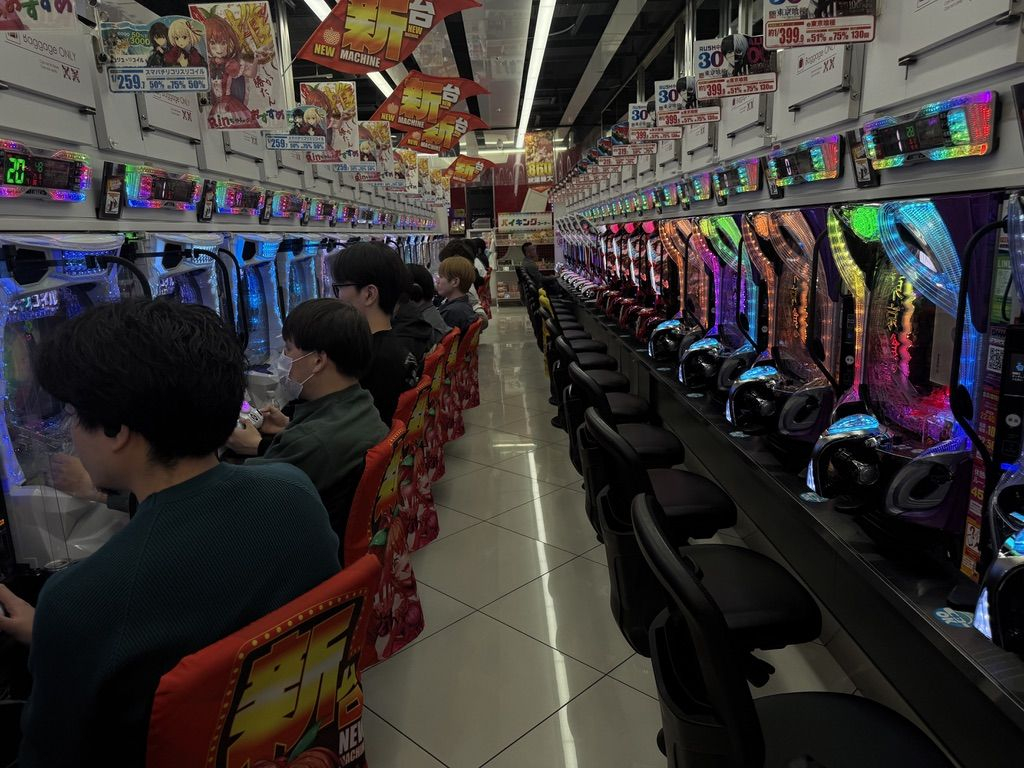
Akihabara is a district dedicated to computers and all new technologies. There are hundreds of shops, each bigger than the last. You can find everything related to computers, manga, and arcades called “Game Centers”—a truly futuristic world. It’s so crowded on weekends that the roads are closed to traffic.
What we liked: the cleanliness of the city, and yet there hasn’t been a single garbage can for thirty years.
The queues, despite their length, are organized and respected.
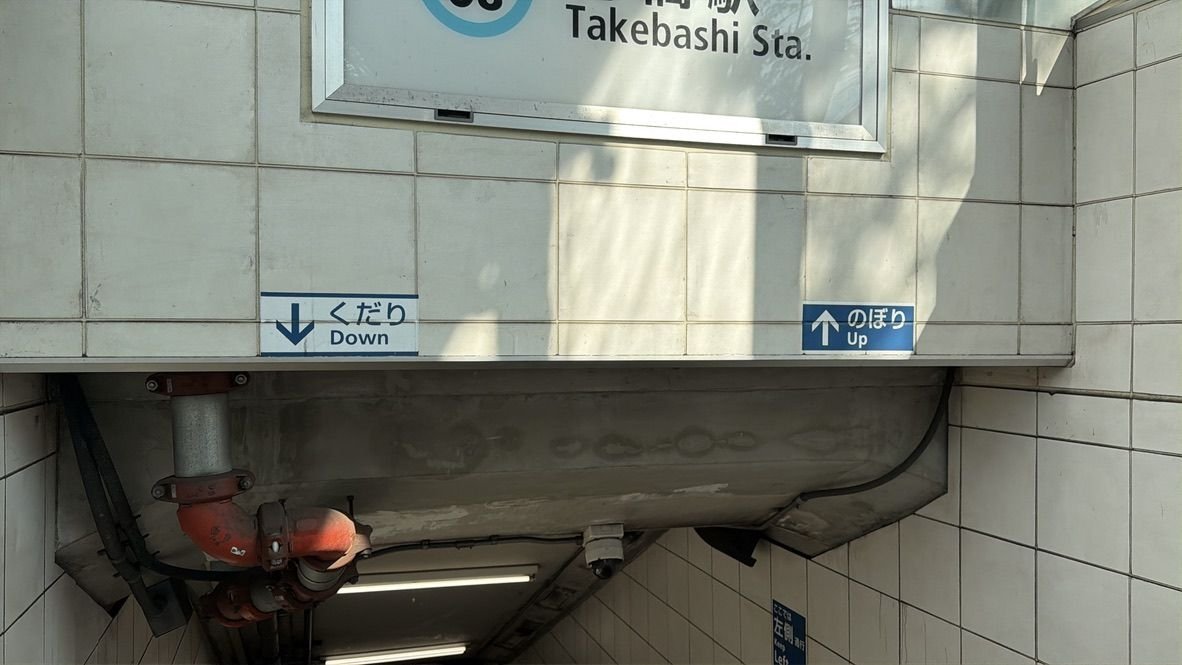
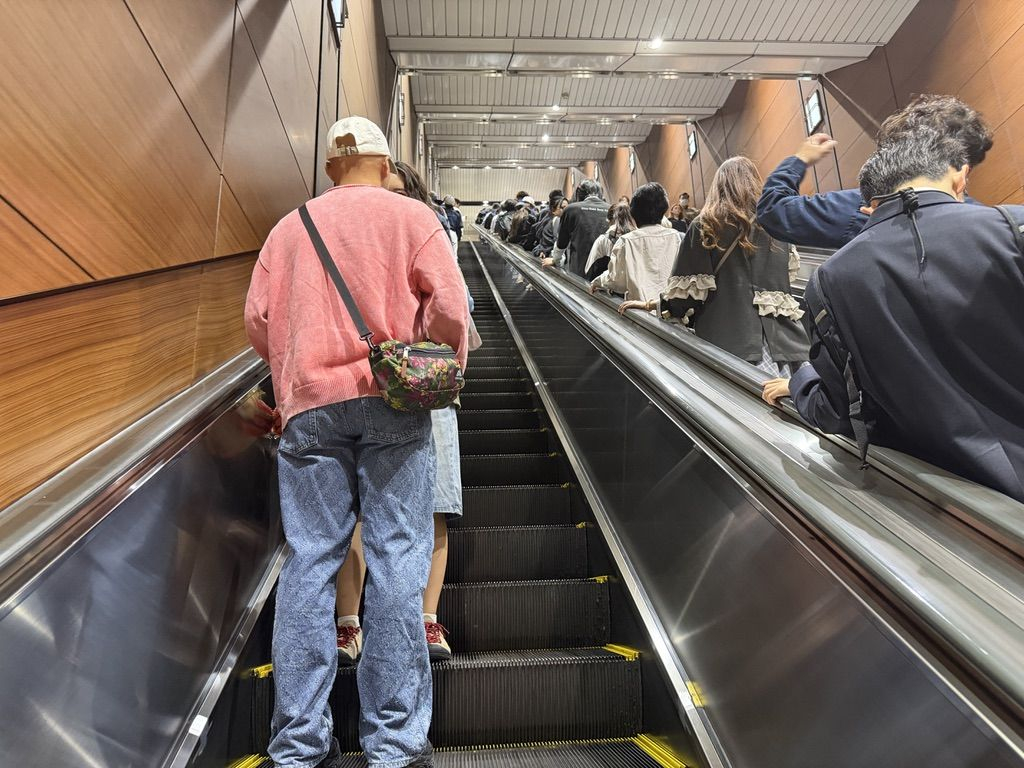
Discipline in the subway corridors, everyone on the left in single file. No pushing to get on the trains, people wait patiently until everyone has disembarked.
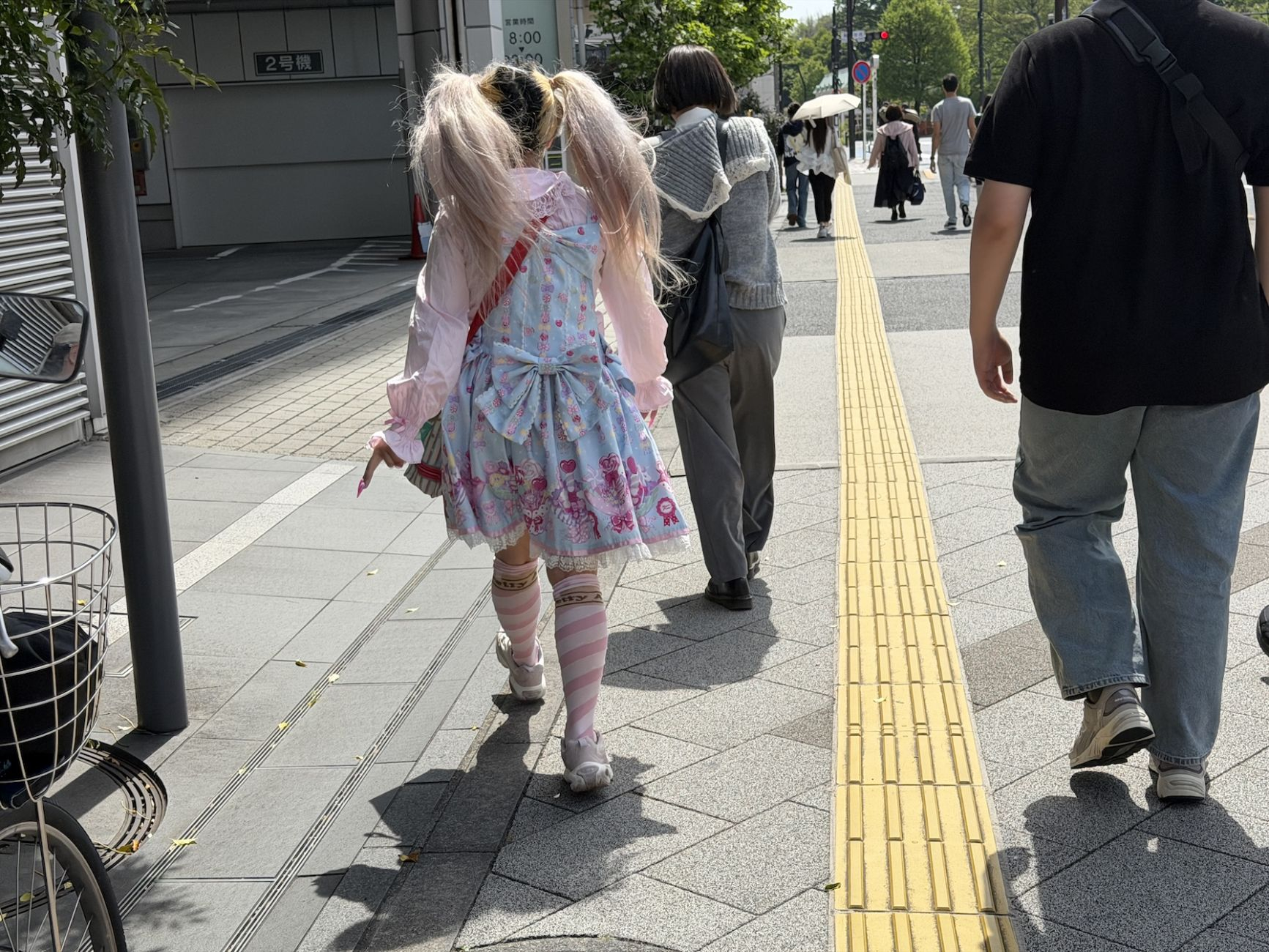
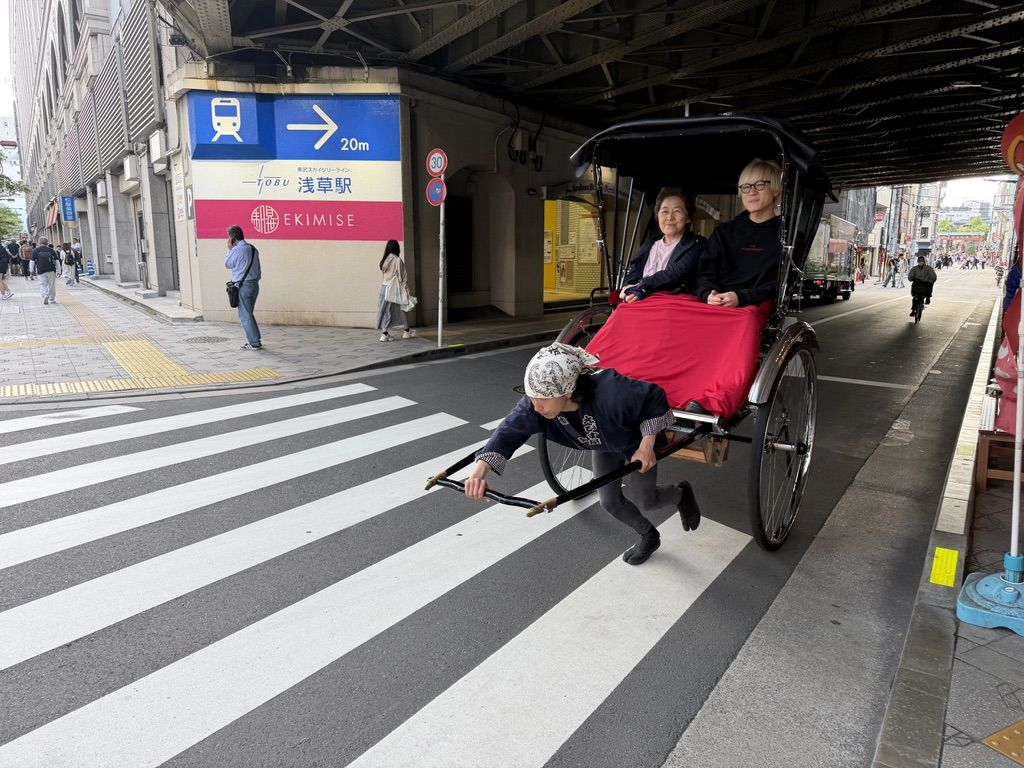
The yellow line on the sidewalks indicates the direction of travel.
The cars that drive slowly and wait patiently behind our bikes to overtake.
The kindness of the Japanese, always ready to help us despite the language barrier
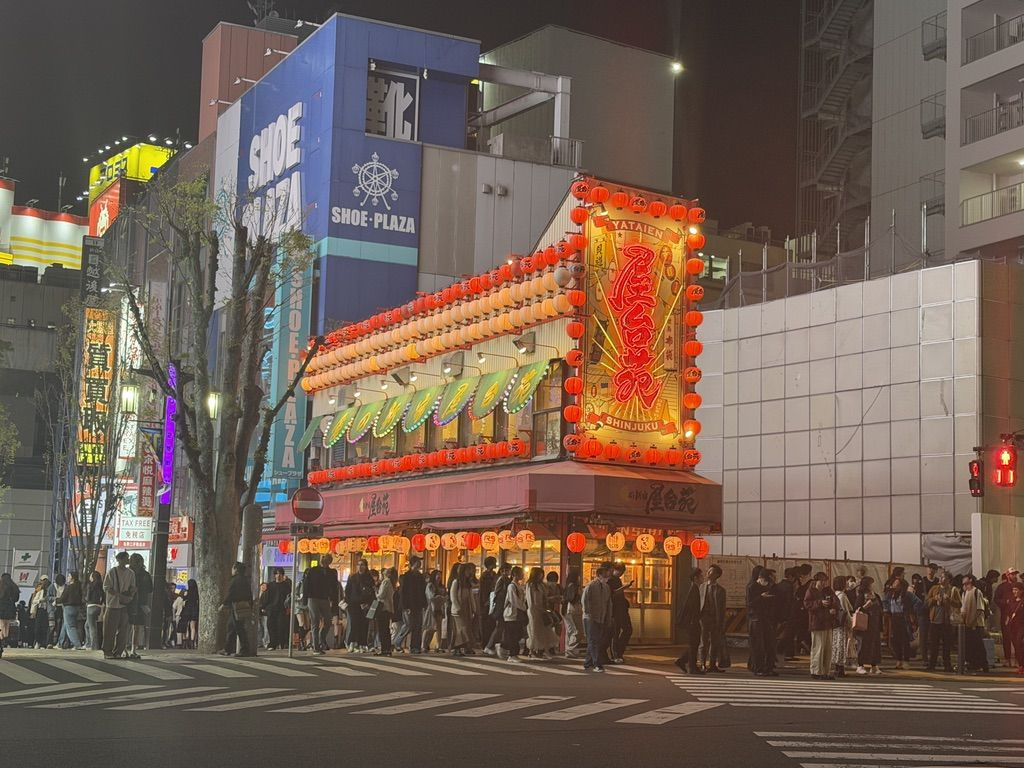
What we liked less : the crowds in the streets, parks, and shops. Overtourism in Tokyo is not a myth.
The queues.
Hotels with rooms that are the minimum size to fit a bed.
Did you know
Did you know: You can’t find any trash cans in Tokyo, and this has been the case for about 30 years. Despite this, the city is very clean, and you don’t see any cleaning crews. If you have a dog, you have to pick up and carry its waste with you because you won’t find anywhere to dispose of it.
Tokyo’s surface area is 20 times larger than that of Paris, with a population of 37 million.
For a country 1.5 times smaller than France, there are twice as many inhabitants: 126 million.
Find our cycling route by clicking on the link “here”