

Share This Article
From Sunday, May 10th to Sunday, May 17th, from Fukuyama to Fukuoka
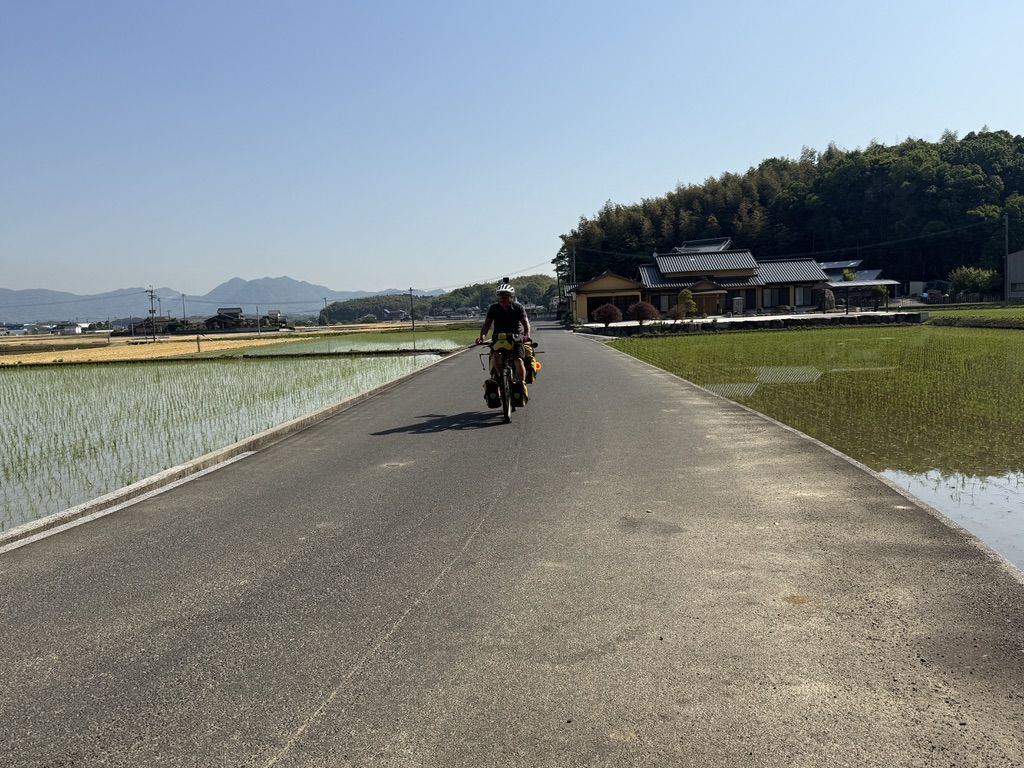
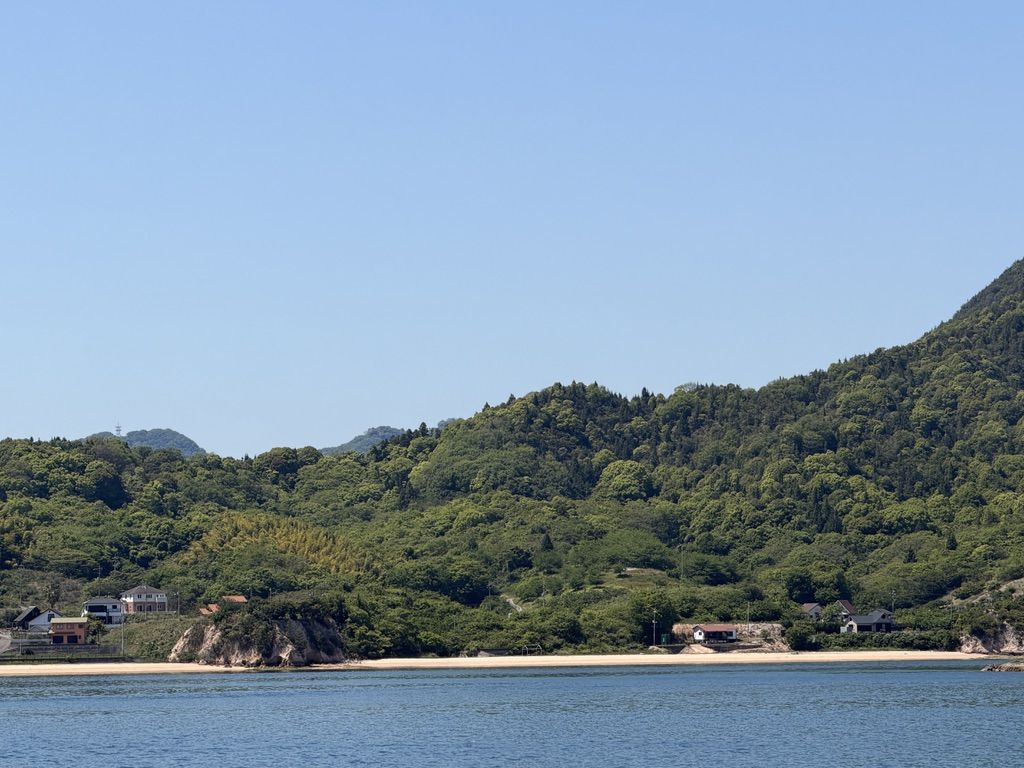
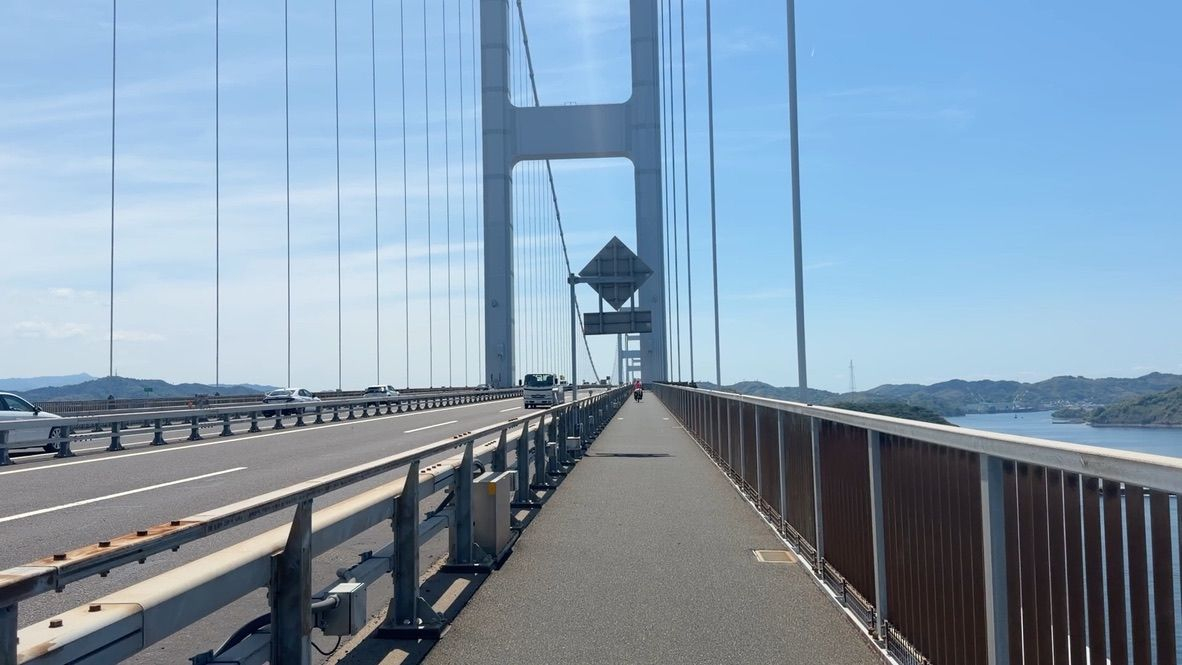
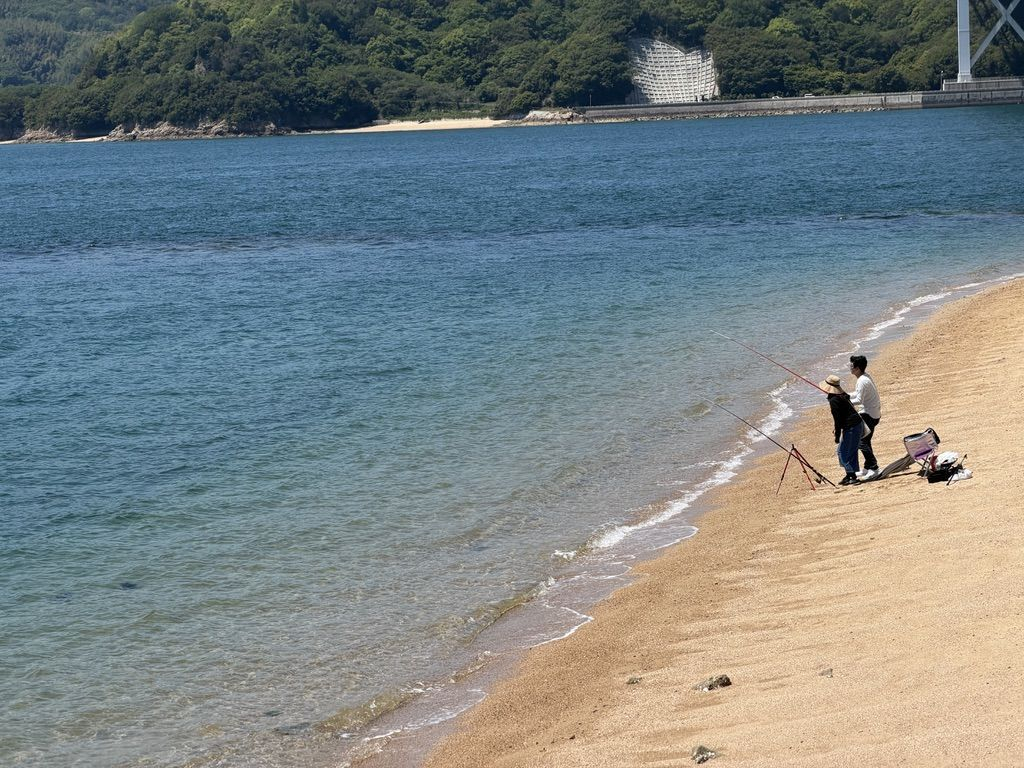
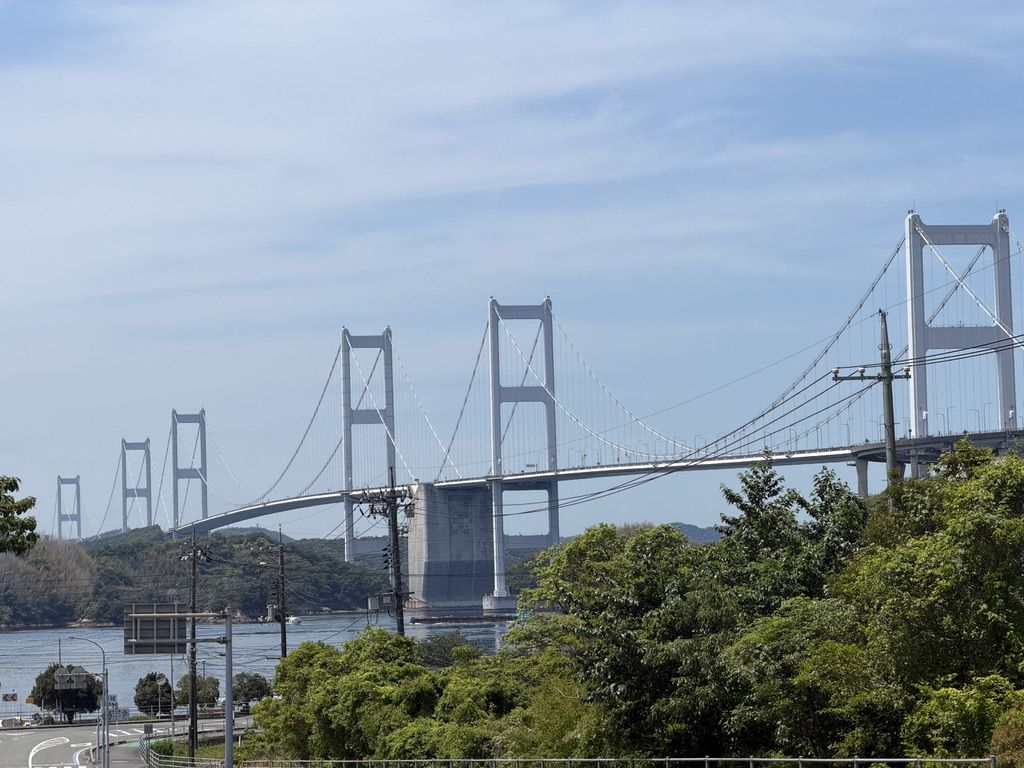
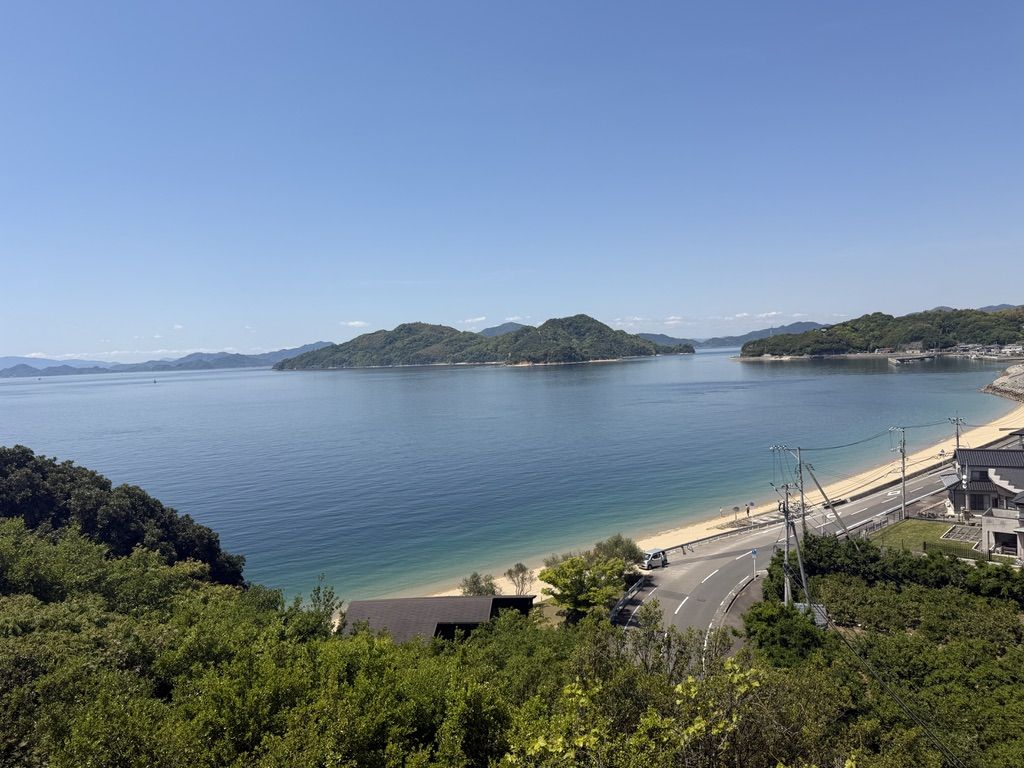
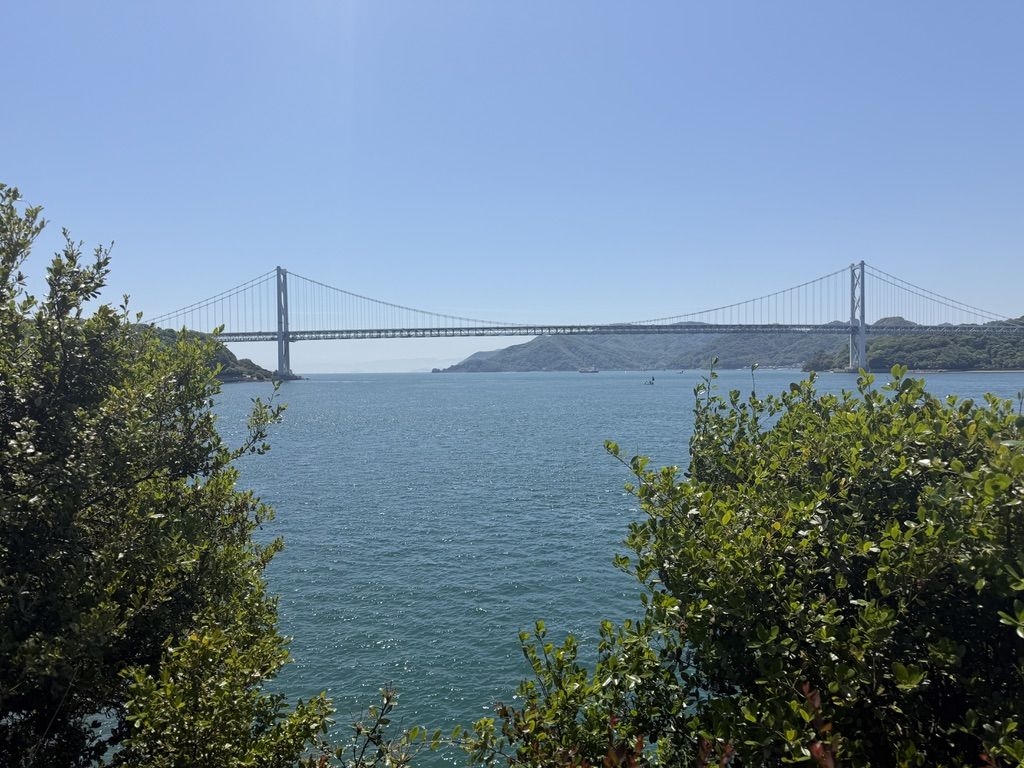
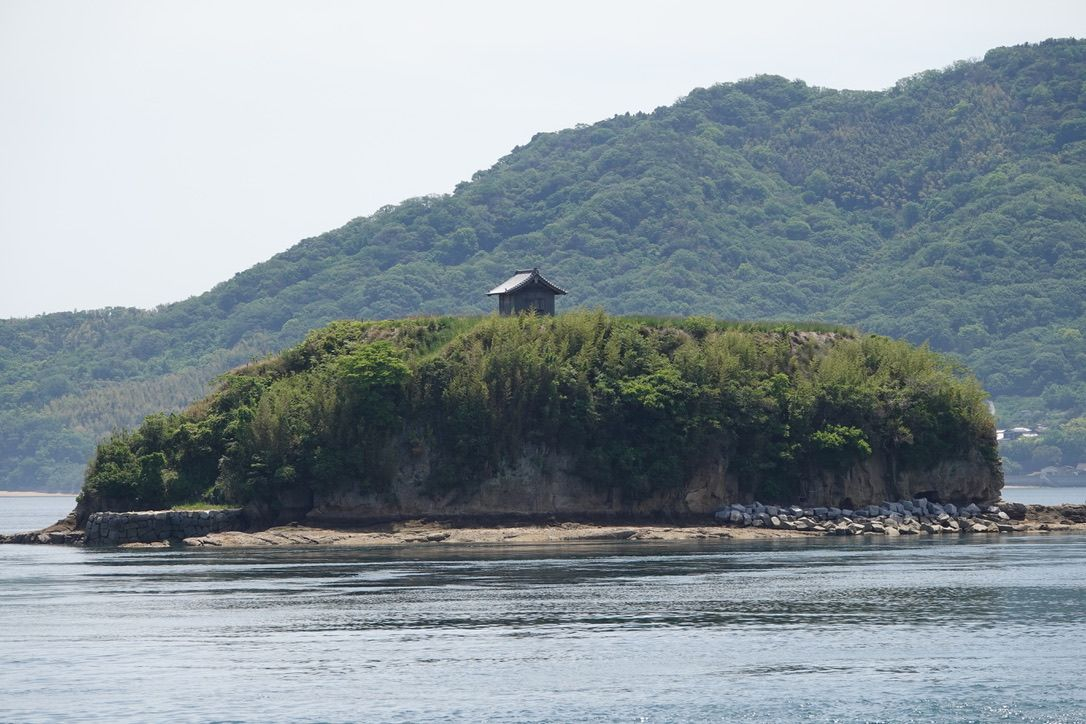
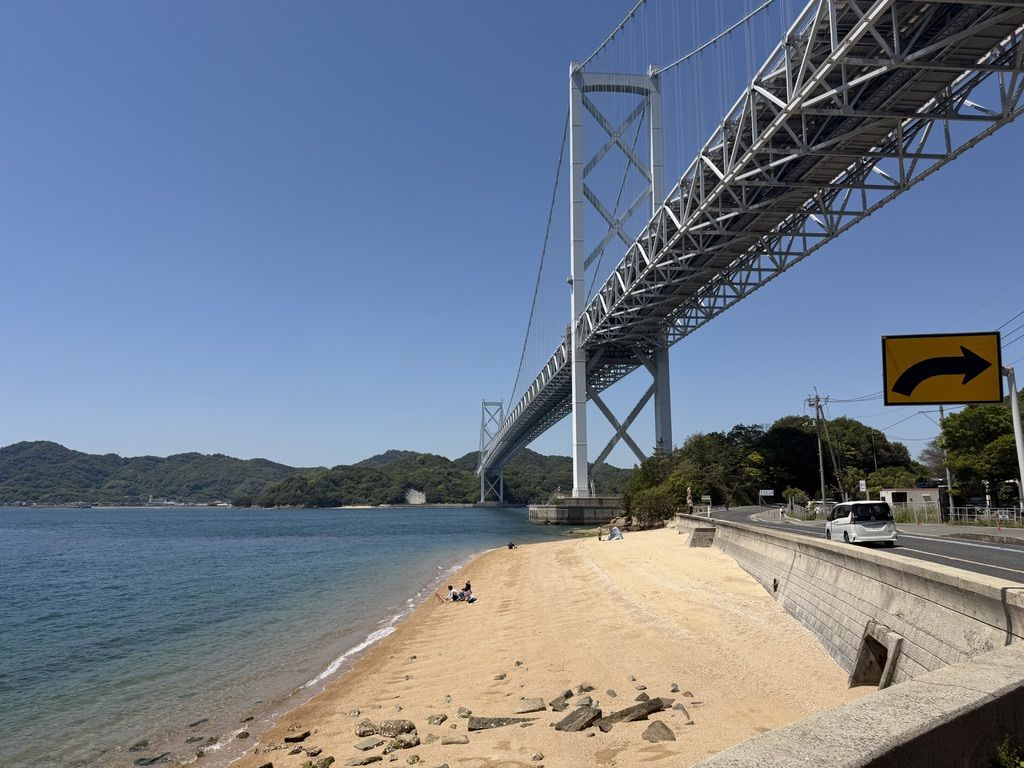
On May 10th, we began our journey through the islands, the two main ones being Shikoku and Kyushu. They are all connected by bridges, each longer than the last. A bike path for the first 70 kilometers protects us from traffic. These islands are primarily of tourist interest for their scenery. Shikoku, unlike Kyushu, is not very populated; it has retained its authenticity without being completely overrun by tourism. This Sunday, we are lucky enough to have sunshine and a beautiful blue sea.
Bridges for cyclists
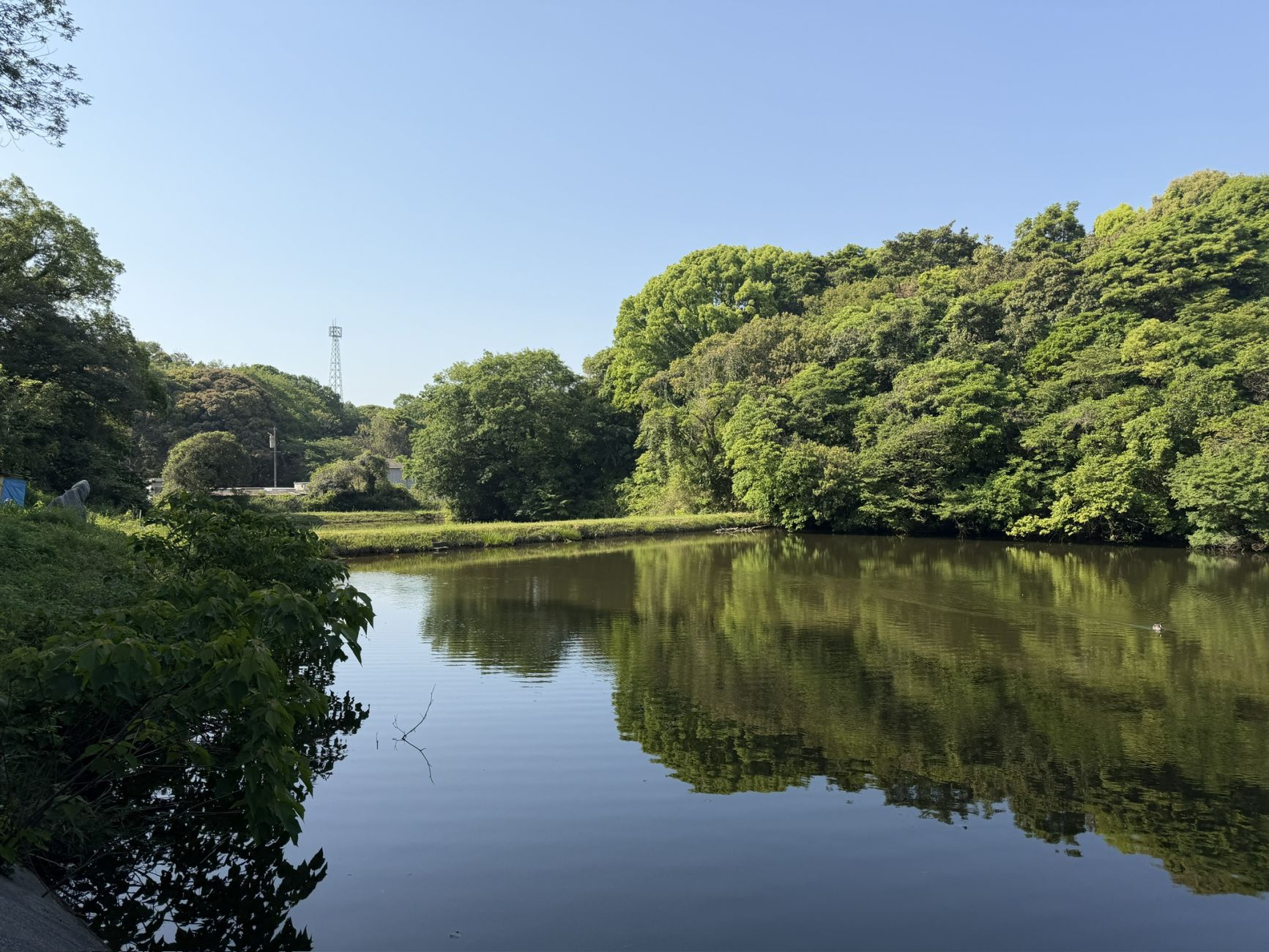
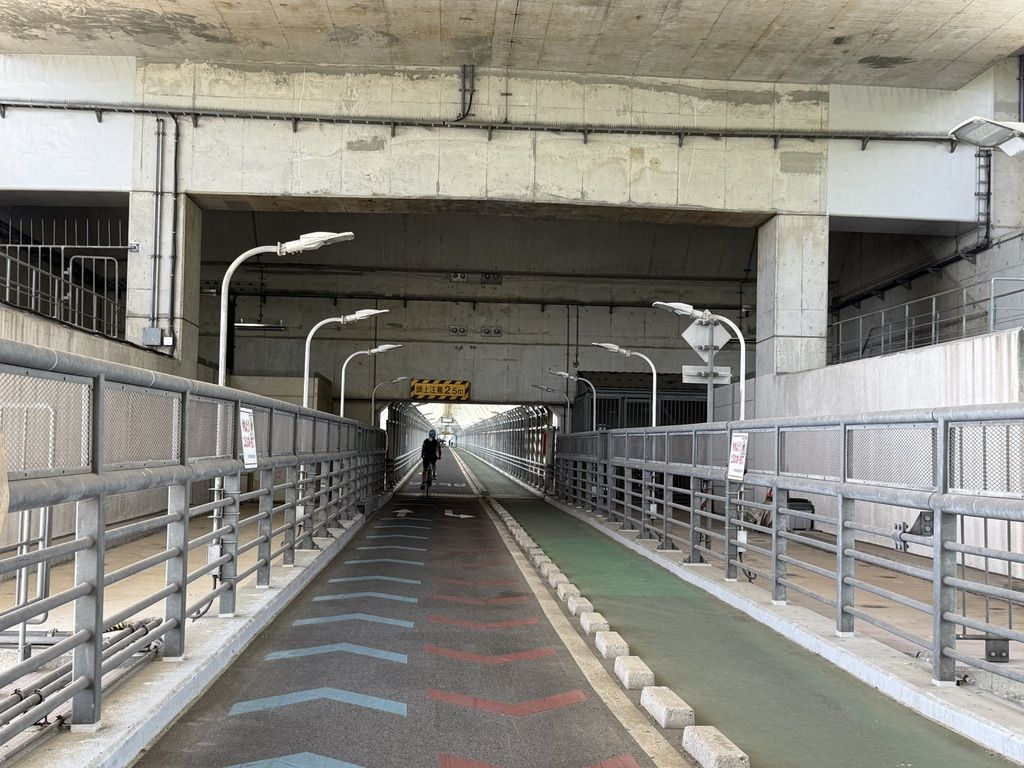
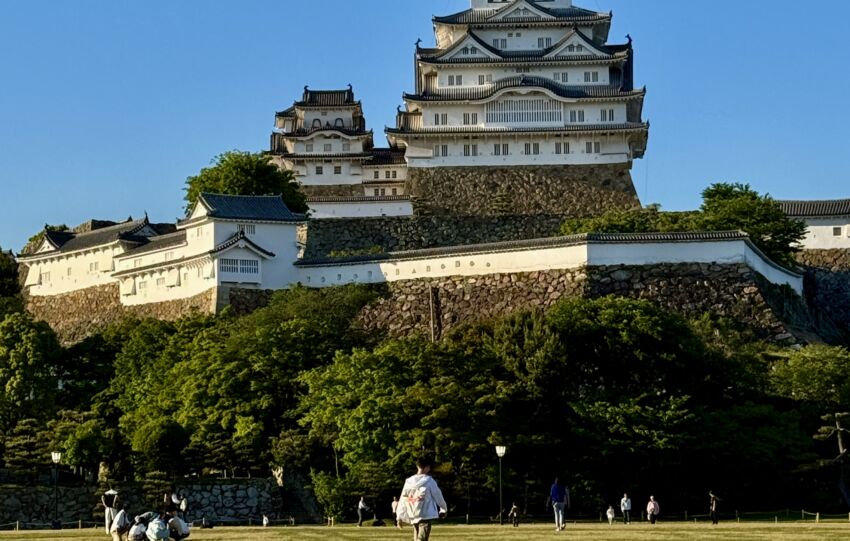
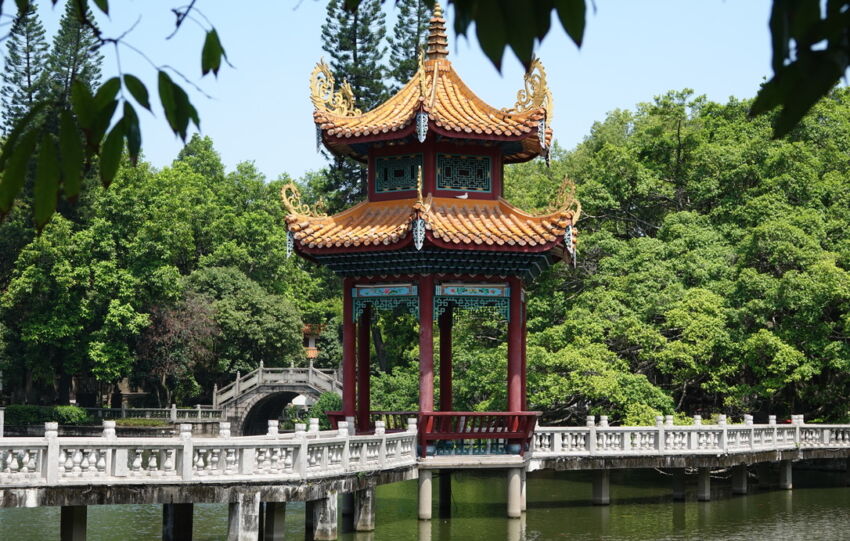
The bridges we cross are all built with cycle paths. Some occupy two lanes of the bridge, while others have the path built underneath. It’s difficult to describe these features, so I invite you to look at the photos at the end of the article.
Human-sized hostels
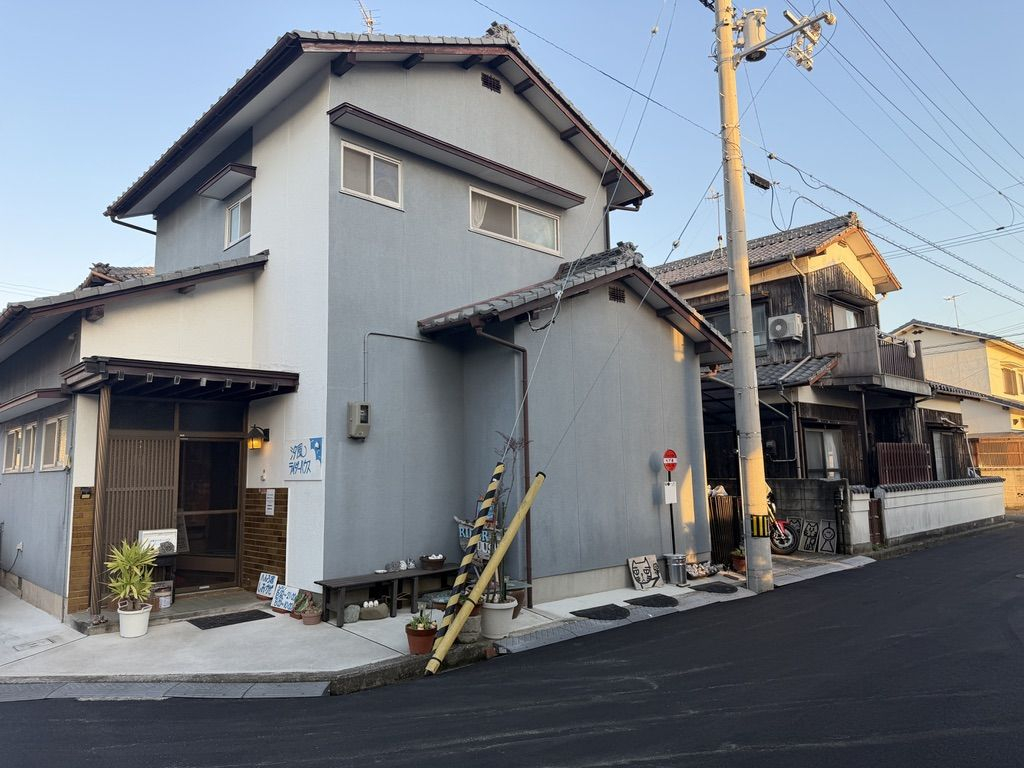
On the island, there are no large hotels like the ones we’ve seen before. We’re staying in small bungalows with a few rooms, furnished by their owners. On the second day, we slept on futons. These are tiny mattresses placed directly on the floor.
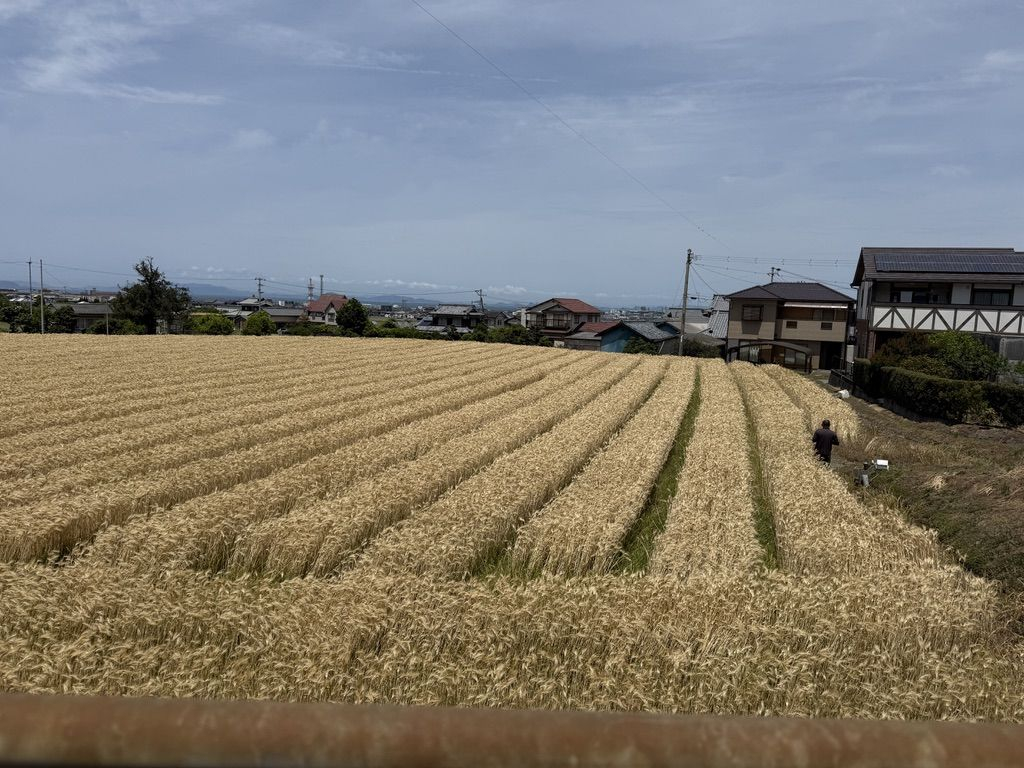
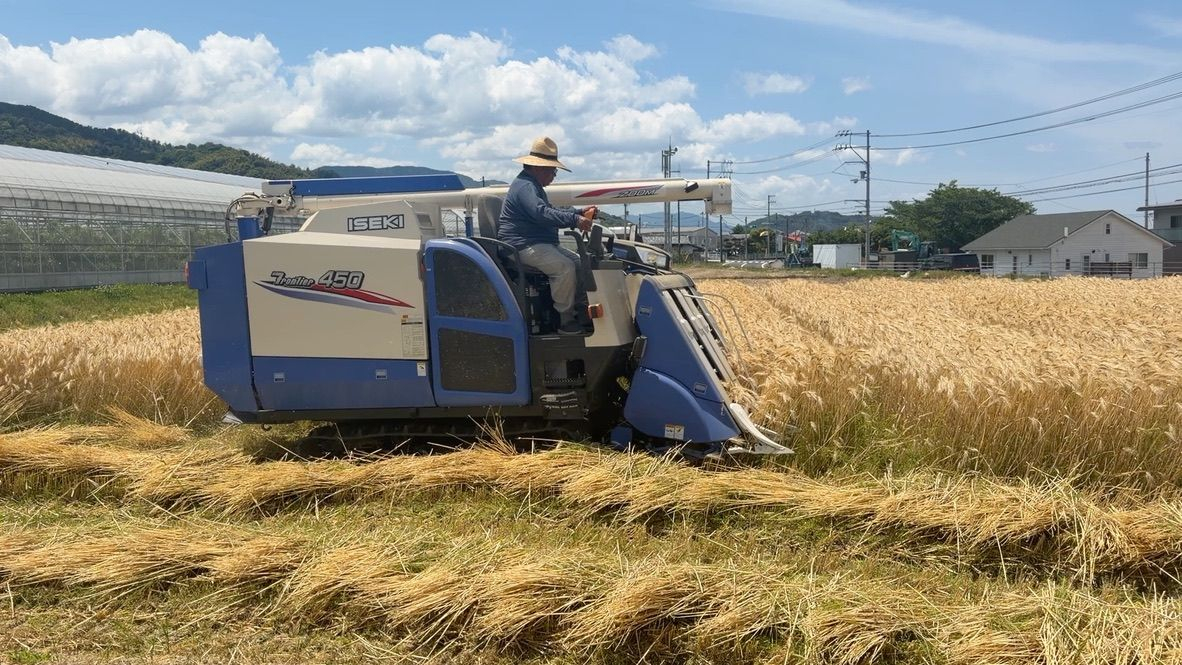
Tuesday the 12th, it’s relatively hot and the day will be long and difficult. We stop to talk with a farmer who is harvesting his wheat; it’s quite different from that of France, its grains are very small. The size of the machines is adapted to the size of the fields and designed with tracks for use on soft soil.
22 tunnels
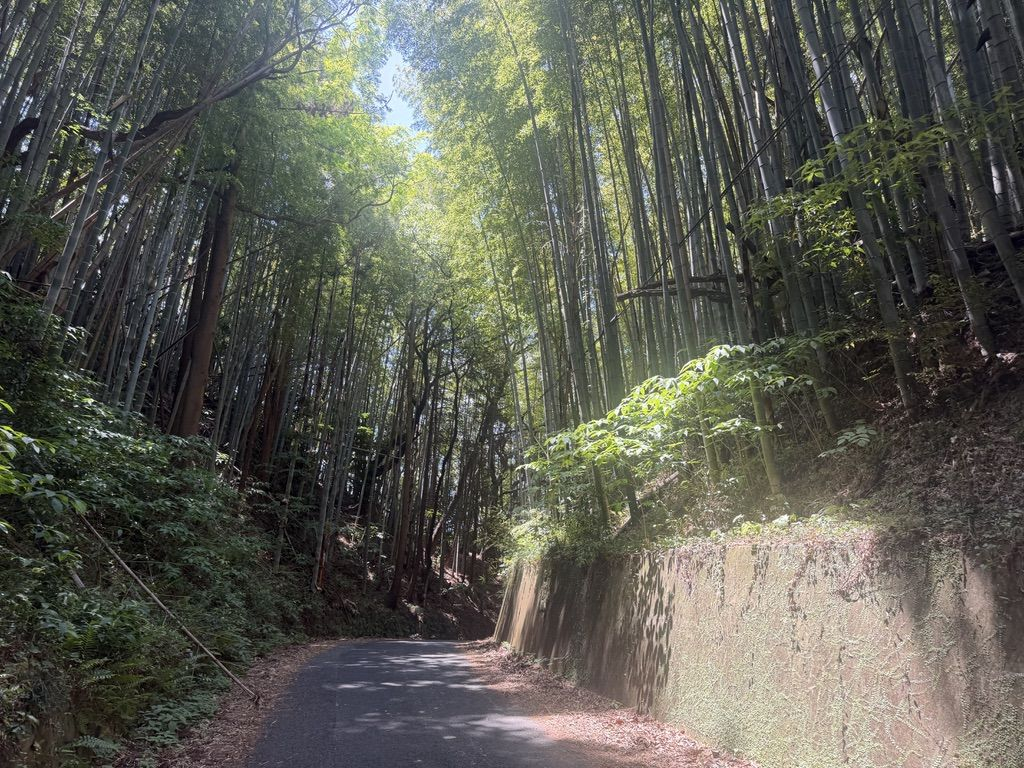
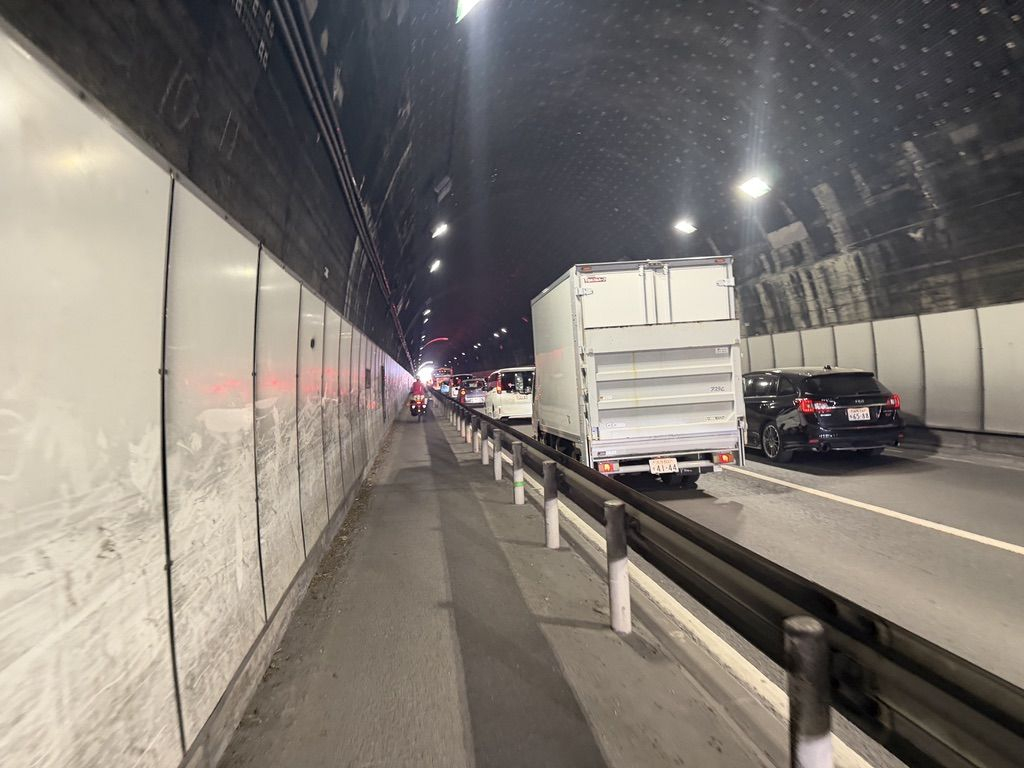
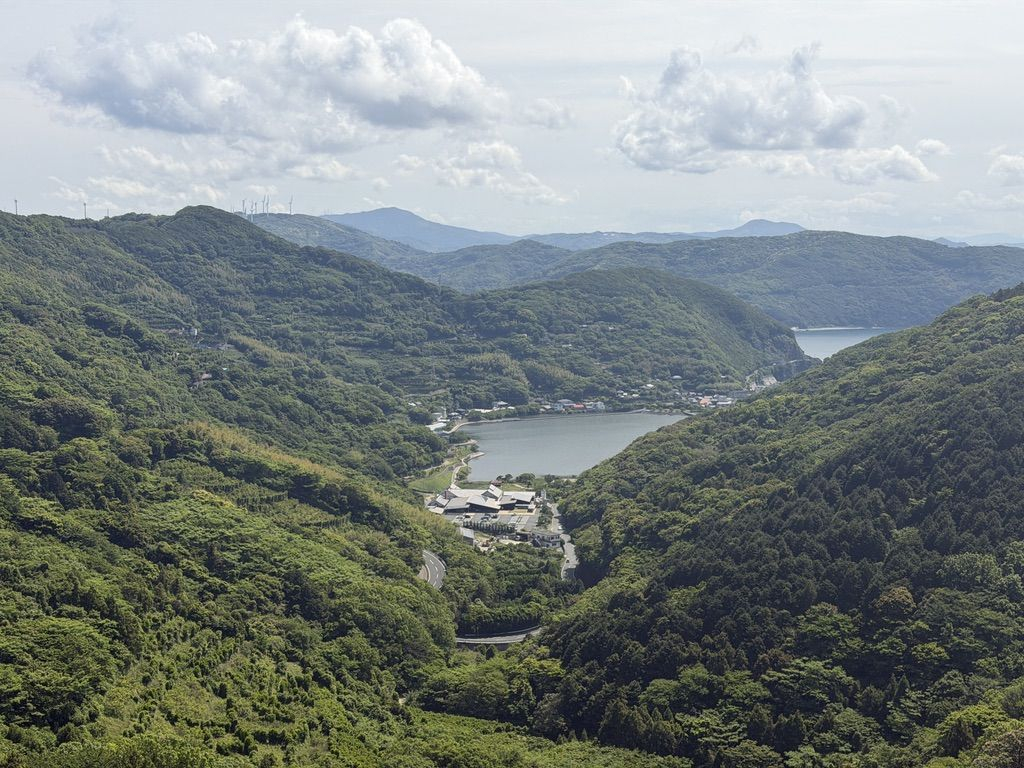
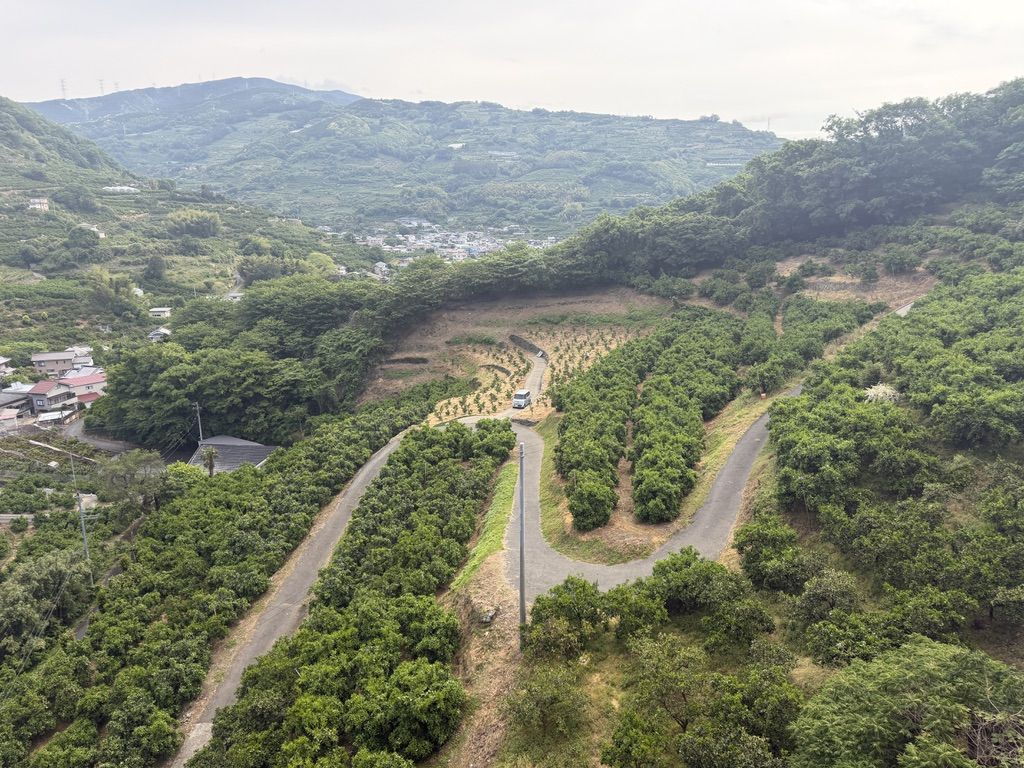
Wednesday, our last day on Shikoku Island, we took a road winding through the mountains. To avoid long mountain passes, we had to go through 22 tunnels ranging in length from 500 meters to 5 kilometers. Some had a cycle lane, others didn’t. In the latter, motorists had to wait patiently behind our bikes because overtaking was impossible.
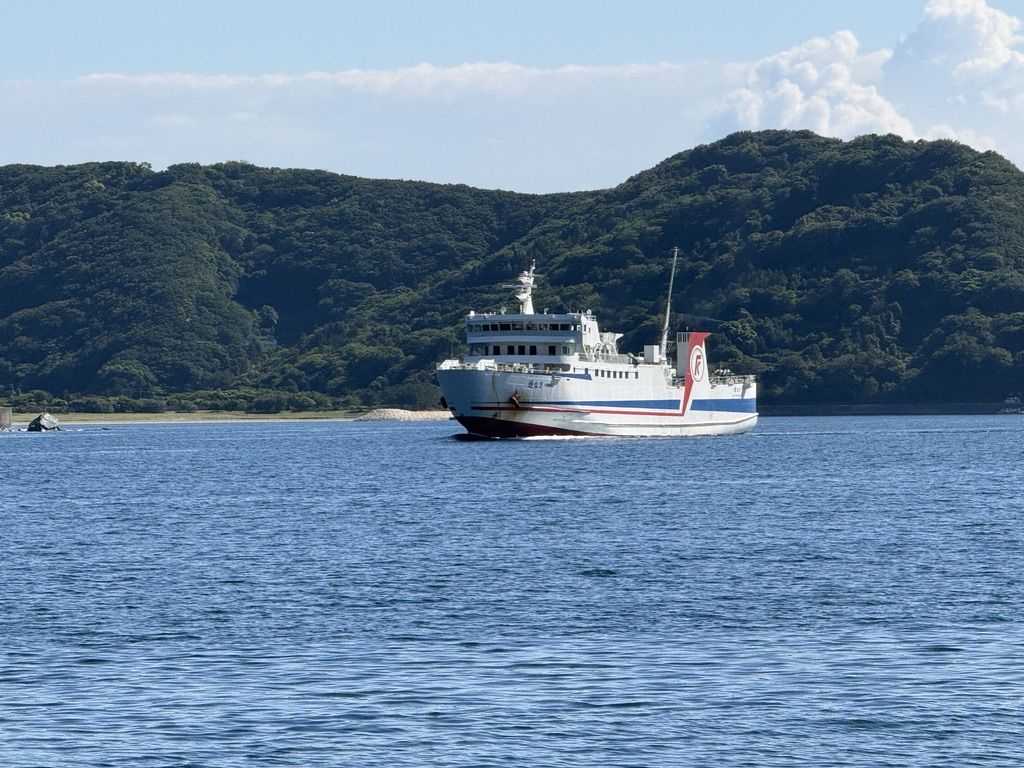
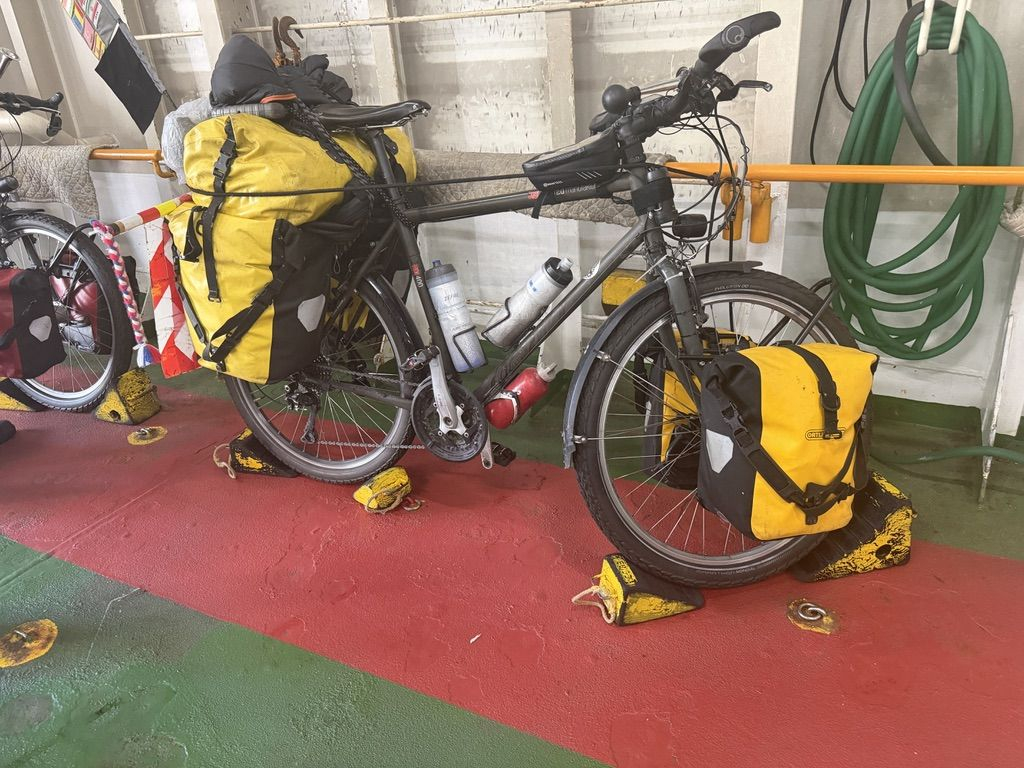
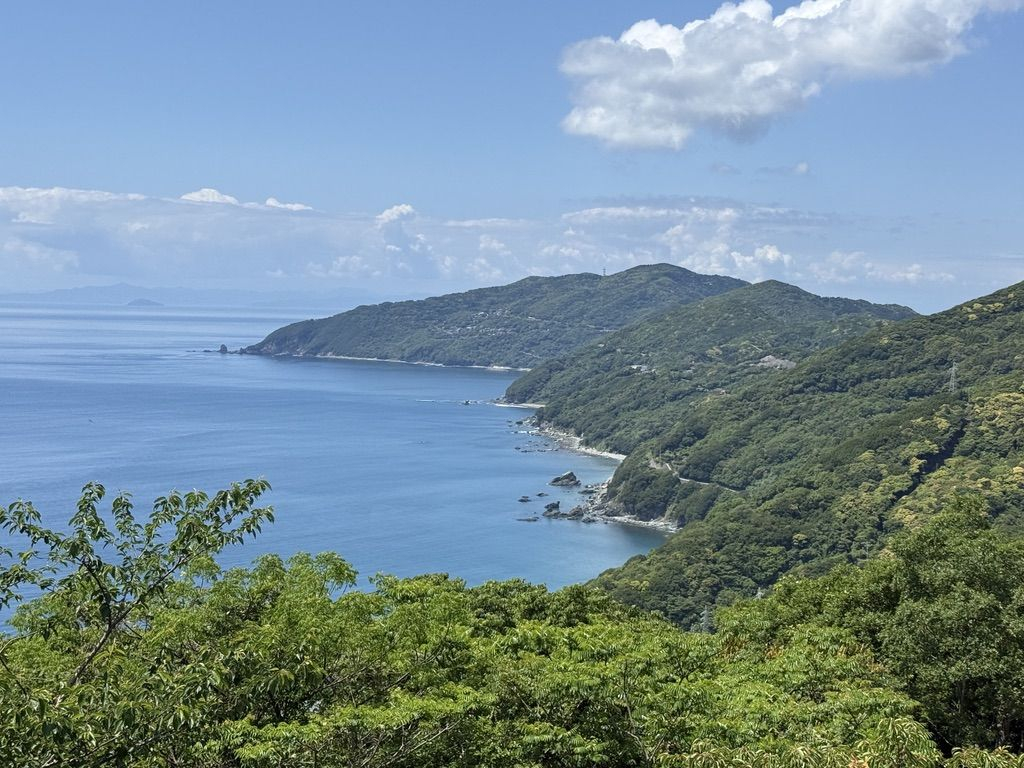
Despite the tunnels, the coastal road offers a magnificent setting. We end our day in Oita on the island of Kyusū after taking a ferry.
The next three days we drive towards Fukuoka, where we should take a ferry to South Korea.
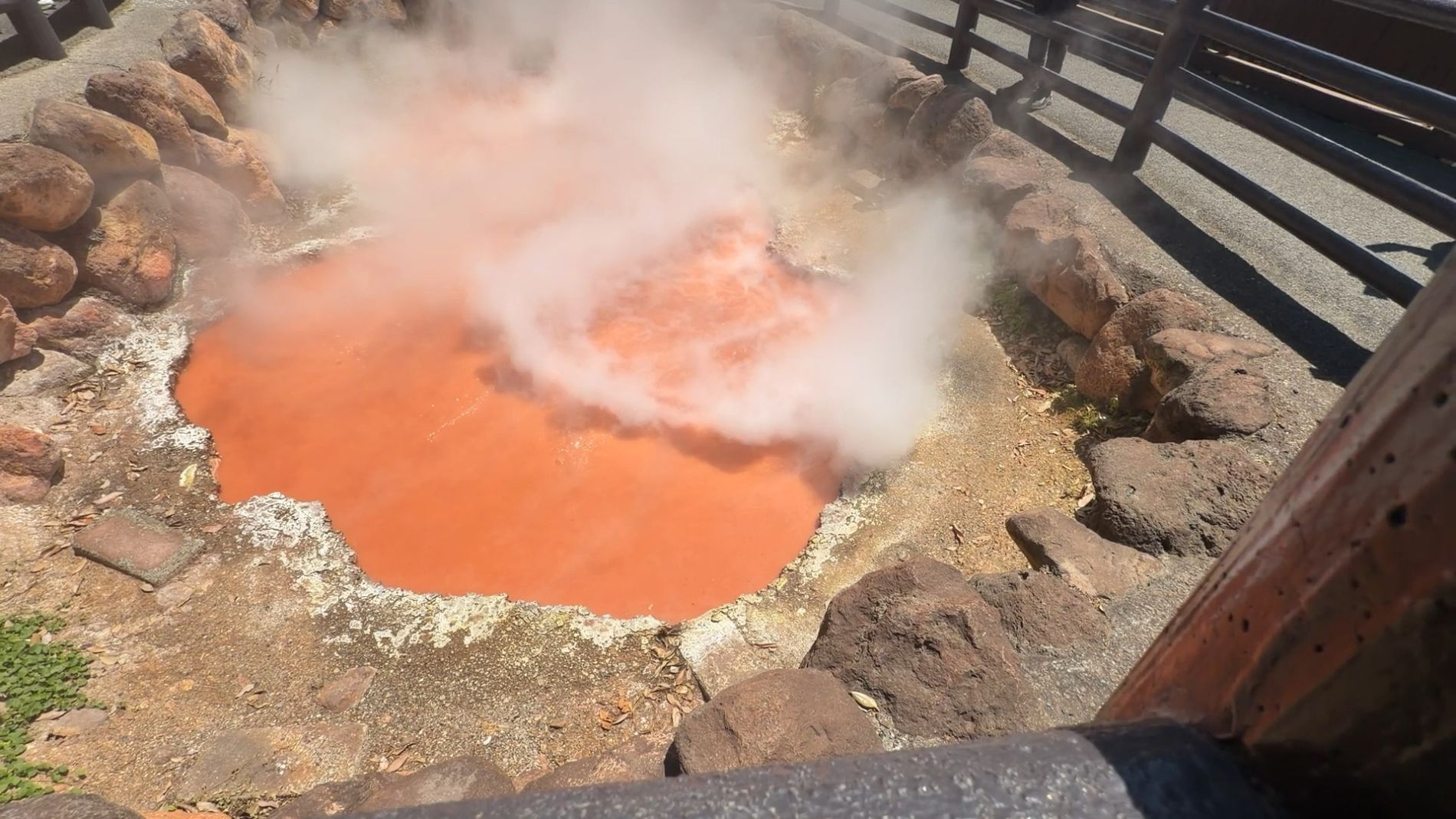
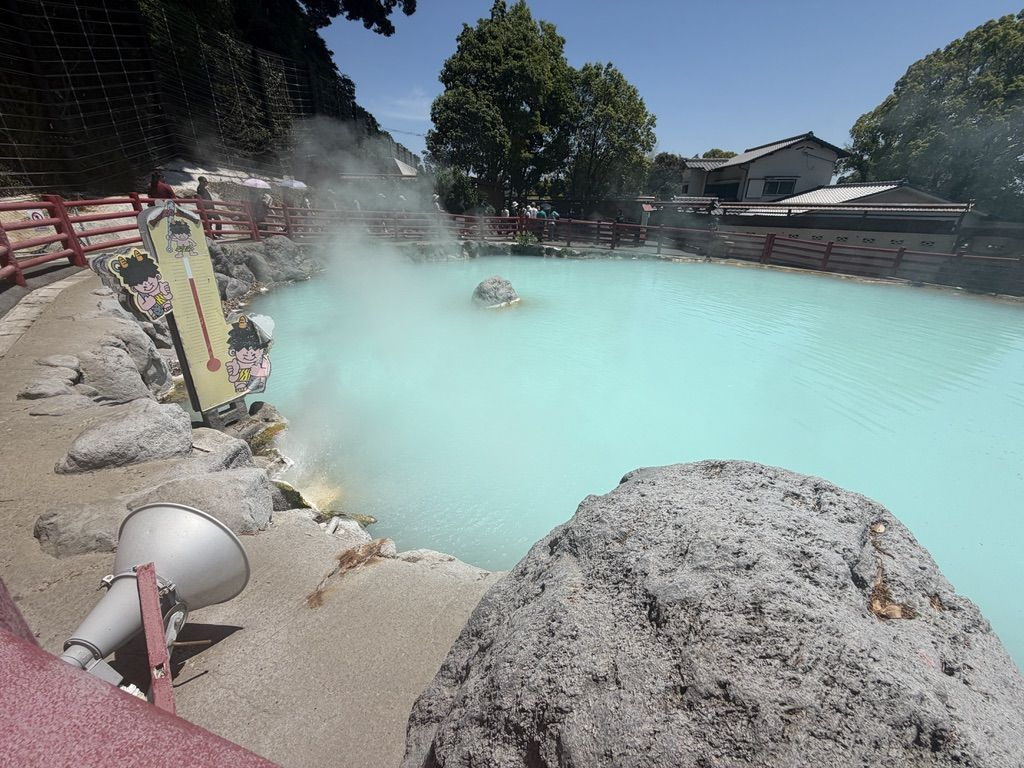
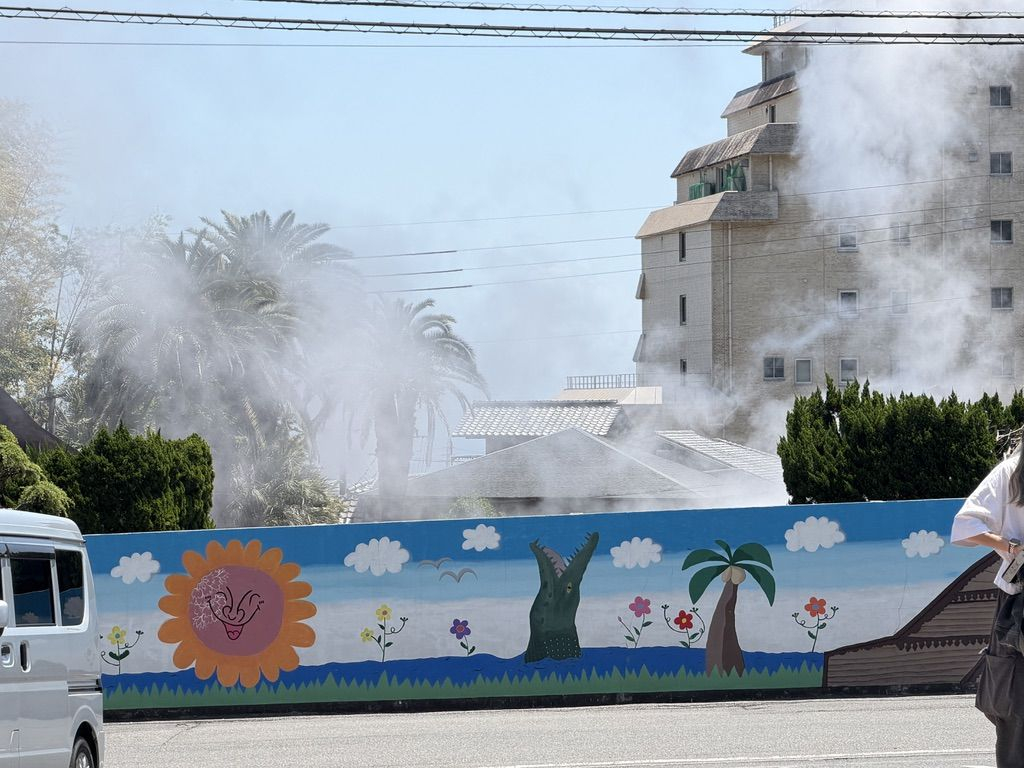
The first two days will be ordinary, during which we’ll visit the natural hot springs of Beppu, a city where they gush forth everywhere, along with mud geysers. There are seven main spots where you can see a hot spring. They can reach temperatures of 150°C.
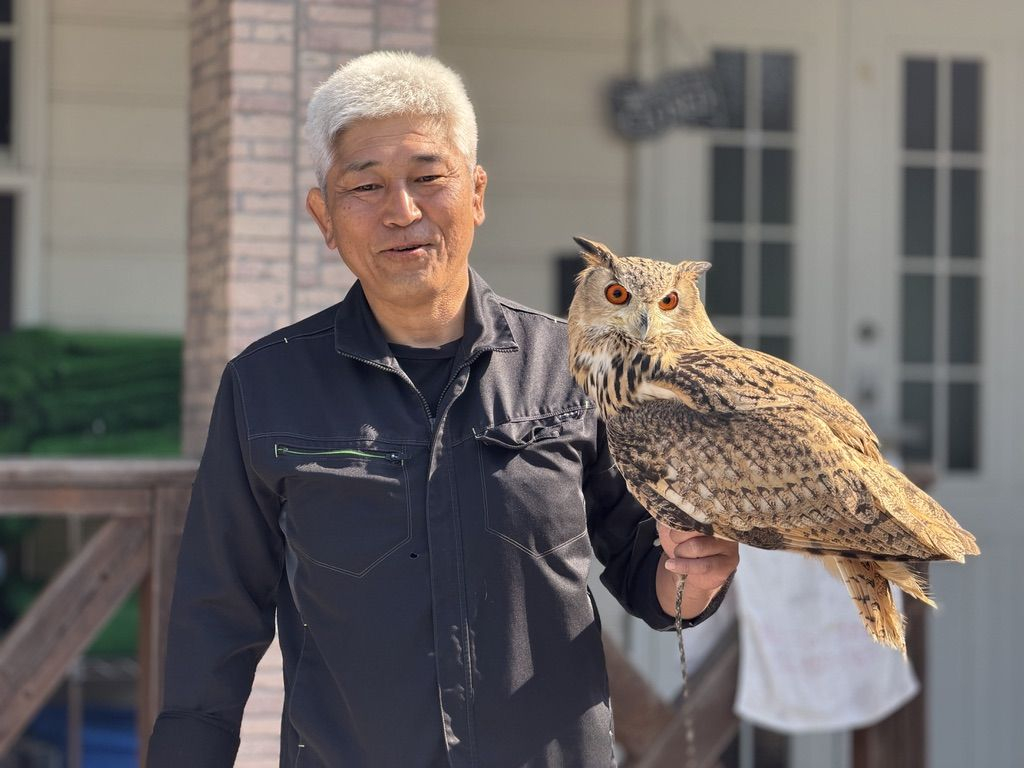
A breeder of birds of prey
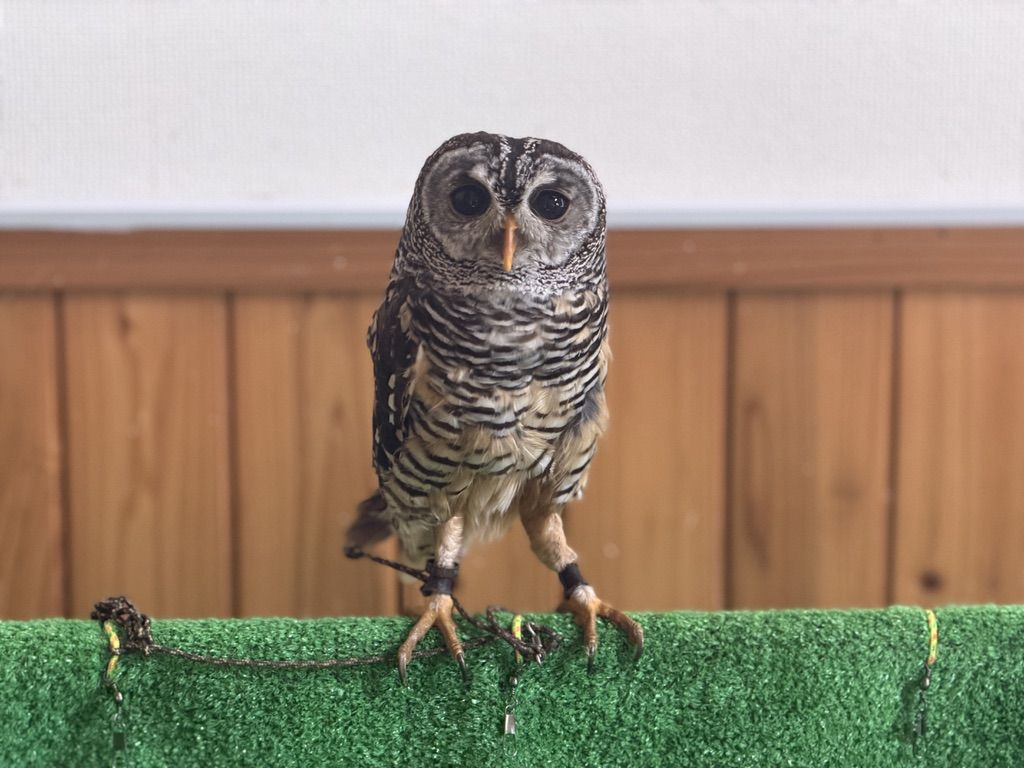
Saturday was the last leg before reaching Fukuoka. A difficult day, as the road we were supposed to take had become closed to bicycles. To avoid it, we had to go through the mountains. In the end, it was a good thing, because in one of the villages we passed through, we had an unexpected encounter with a bird breeder. He invited us into his home, where there were about ten birds of prey tethered on perches.
Fukuoka, Japan’s last city
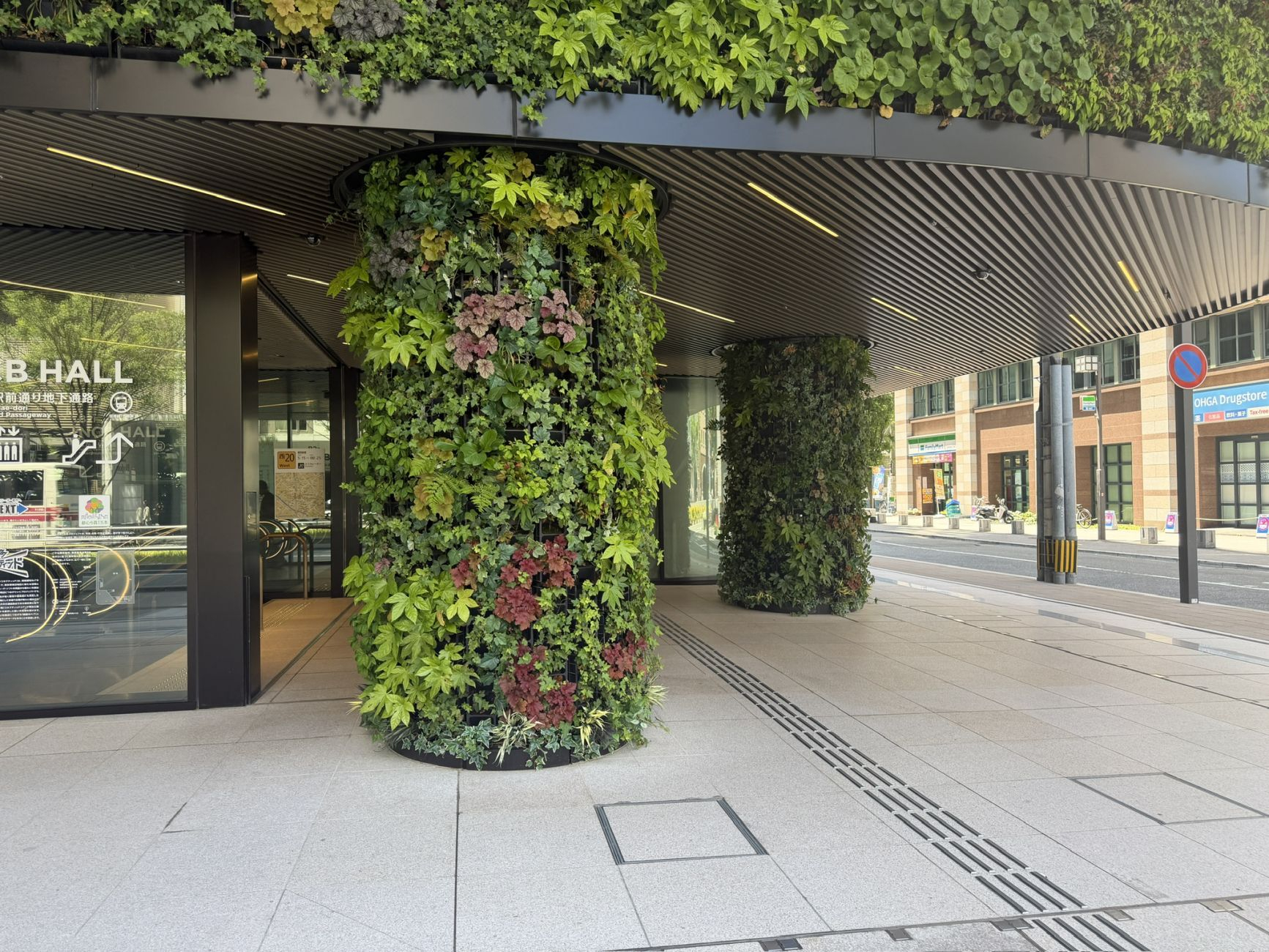
Sunday is our last day in Japan before our scheduled departure on Monday morning. We’re taking advantage of the time to explore this large city of 1.6 million inhabitants. It has a very well-developed public transportation network, including subways, buses, and trains.
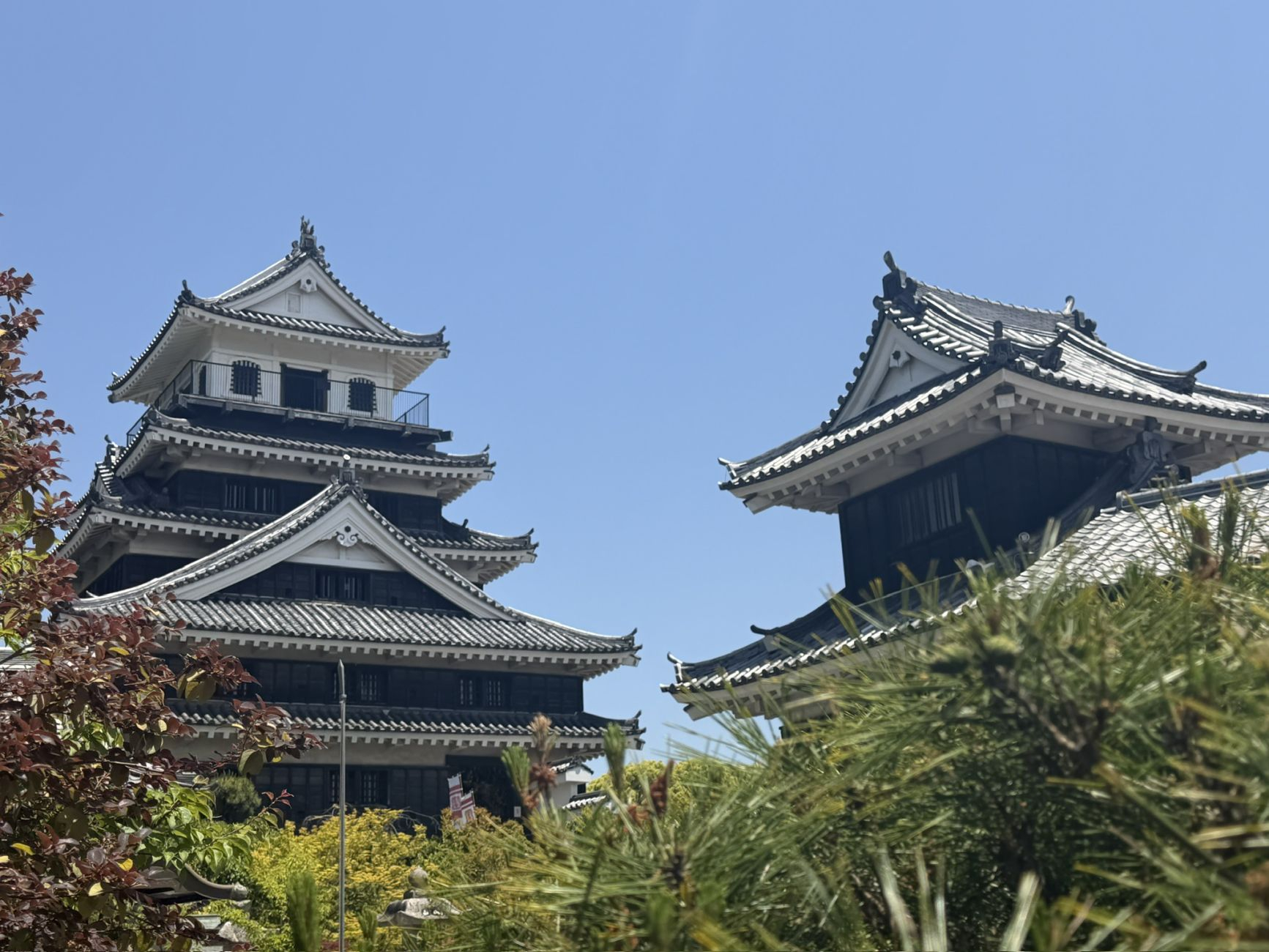
We visit some of the city’s iconic neighborhoods and landmarks.
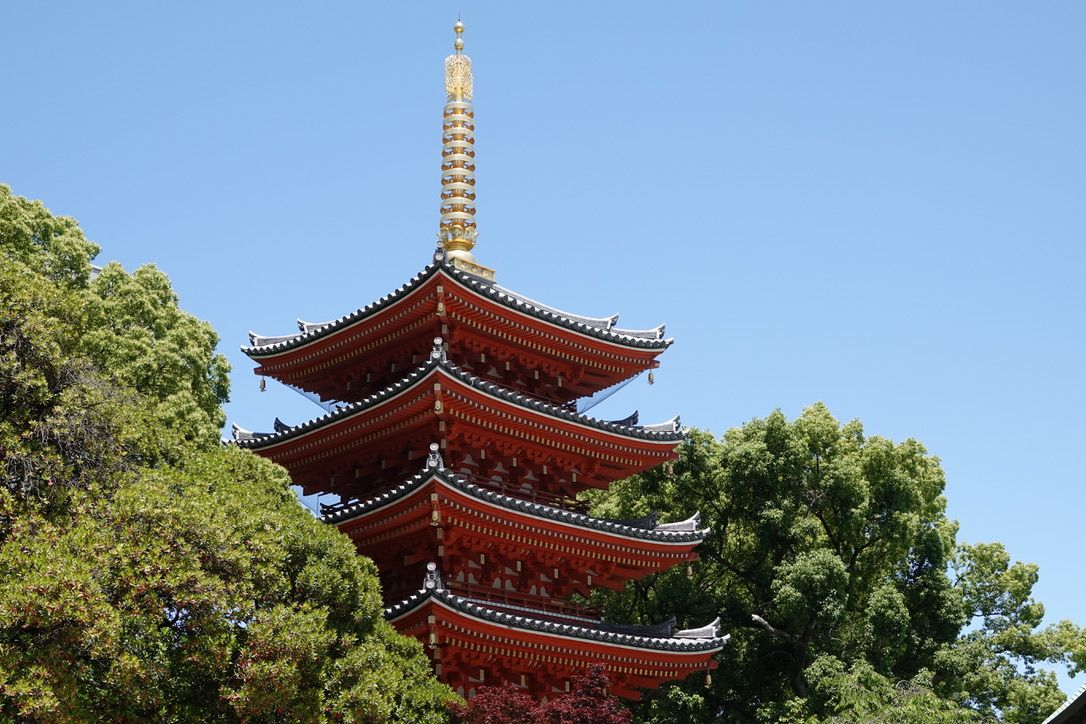
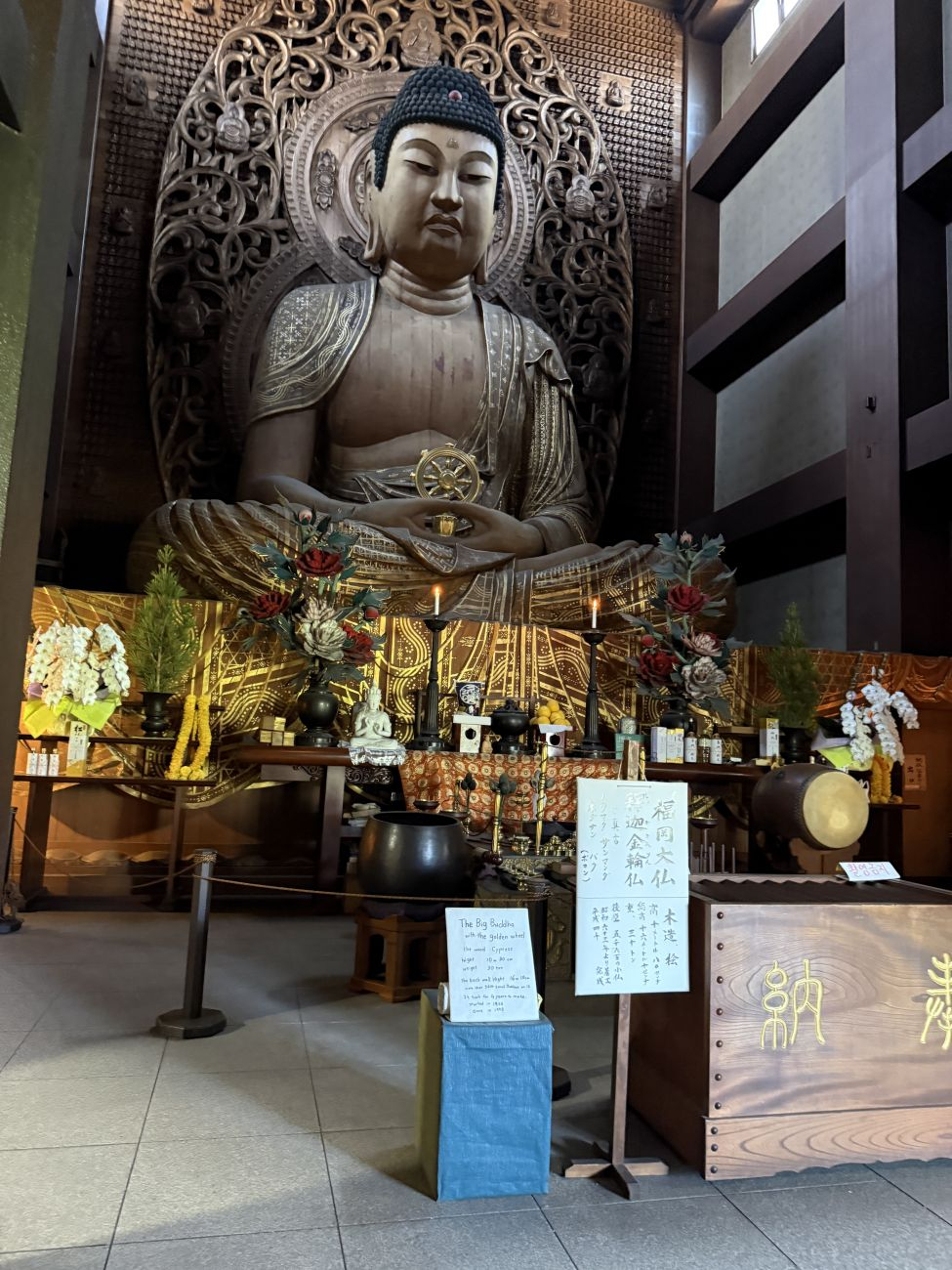
- The Tōchō-ji temple with its wooden Buddha
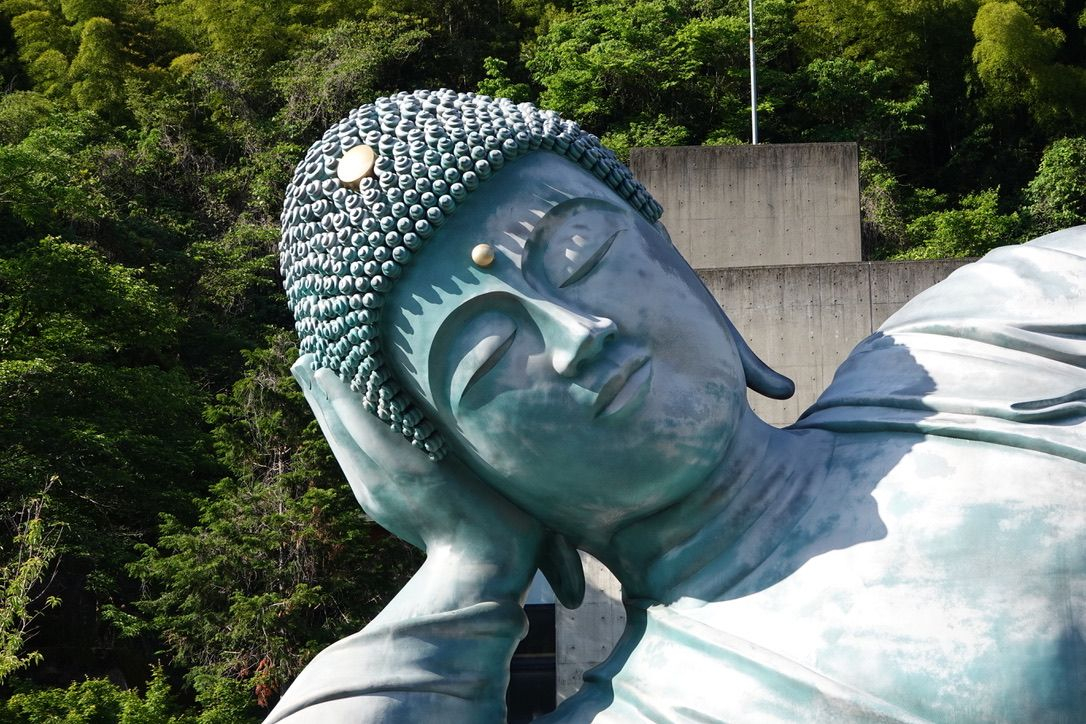
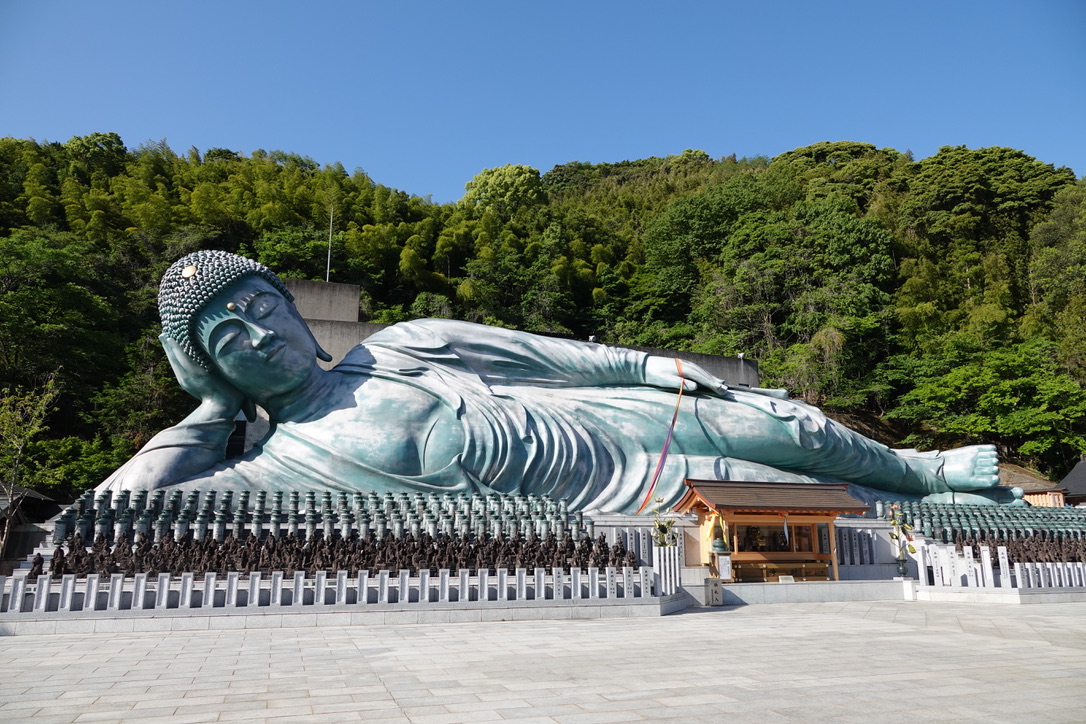
- The world’s largest bronze Buddha located in the Nanzòin temple.
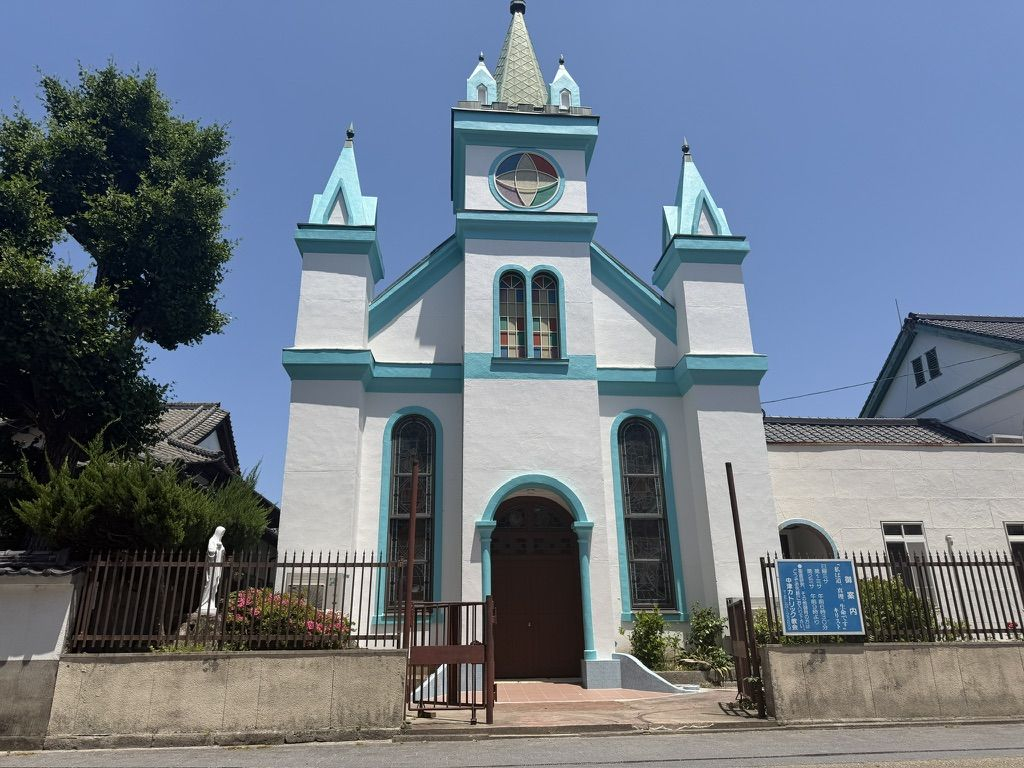
In Japan, there is always one temple that hides another.
We ended our Sunday with a street food experience. We ate in the huts called yatais where we were served ramen . You need a strong stomach because the taste and presentation aren’t always appetizing.
Metting :
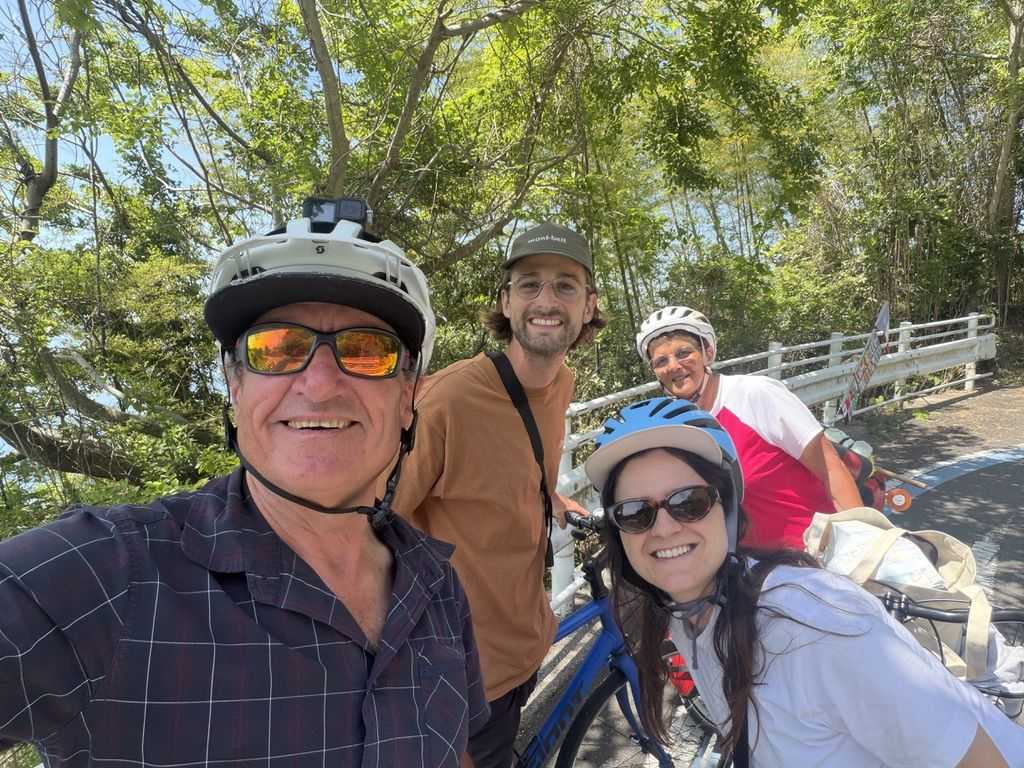
- Alice and Thomas, a couple from Le Mans, are travelling in Japan for a few weeks.
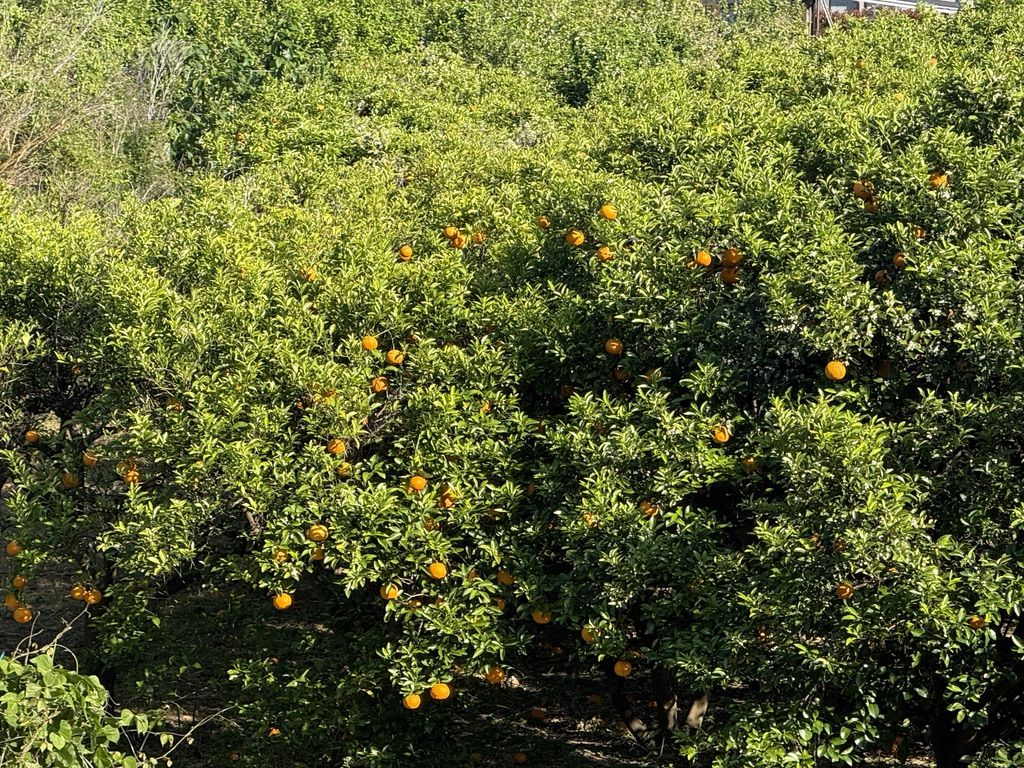
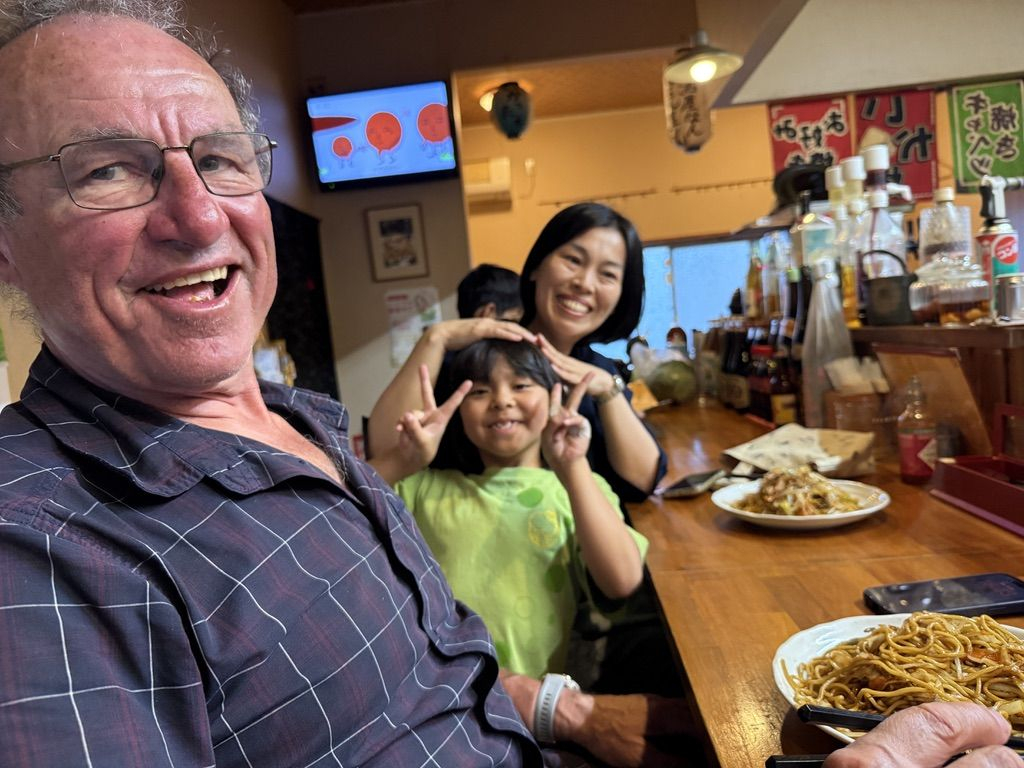
- Nana, a Japanese woman, and her daughter Hakiro treated us to a meal and some fruit. We were able to converse in English.
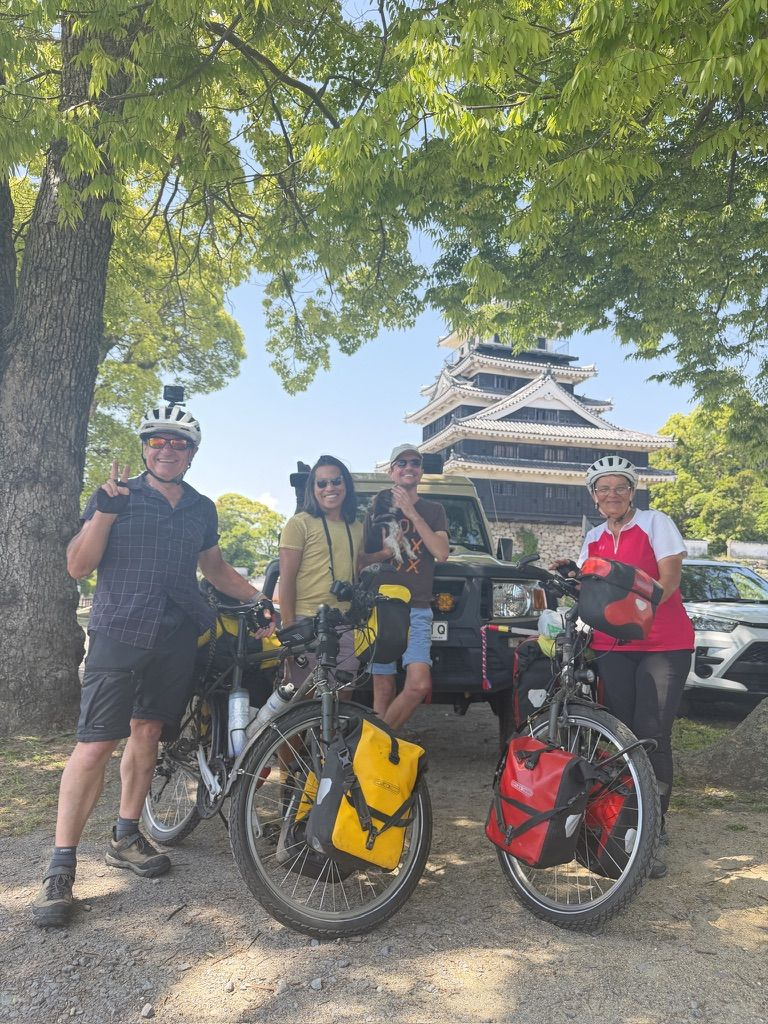
- Joseph, a Filipino, and Martin, a Dutchman, are two travelers who live in Australia. They set off from Australia to reach the Netherlands in a 4×4.
- A Nepalese cyclist who lives and studies Japanese. He offered us energy drinks.
Did you know: Japan has approximately 77,000 Buddhist temples and nearly 80,000 Shinto shrines. By comparison, France has approximately 40,000 churches.
Japanese rule: In Japan, regardless of your appointment, it is customary to arrive 5 minutes early. If you arrive on time, you are considered late, and if you arrive late, you must offer a public apology.
Our route: we covered 498 km from May 10th to 17th. Find the route map by clicking HERE . We are leaving Japan for South Korea. I’ll be back soon with a summary article about this country where we just spent 5 weeks.