

Share This Article
From April 27th to May 3rd, from Hamamatsu to Kyoto (ancient capital of Japan)
Feel free to leave your comments at the end of the article. To see the procedure, click HERE.
Like a Japanese garden
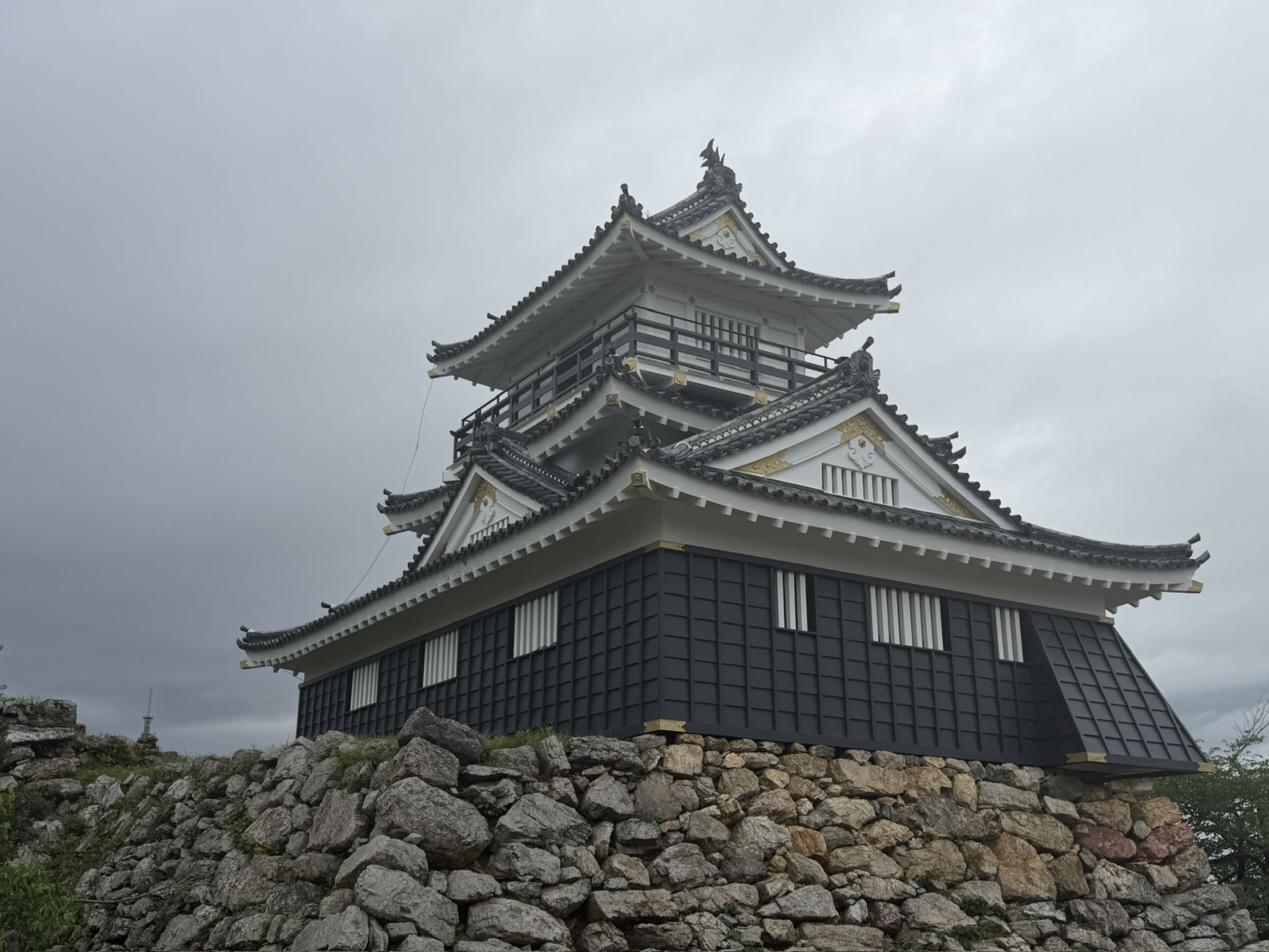
On Monday, April 27th, we drove towards Kyoto, the ancient capital of Japan. Our first stop was the city of Hamamatsu, which has two main points of interest: its castle, restored several times, of which only one building remains.
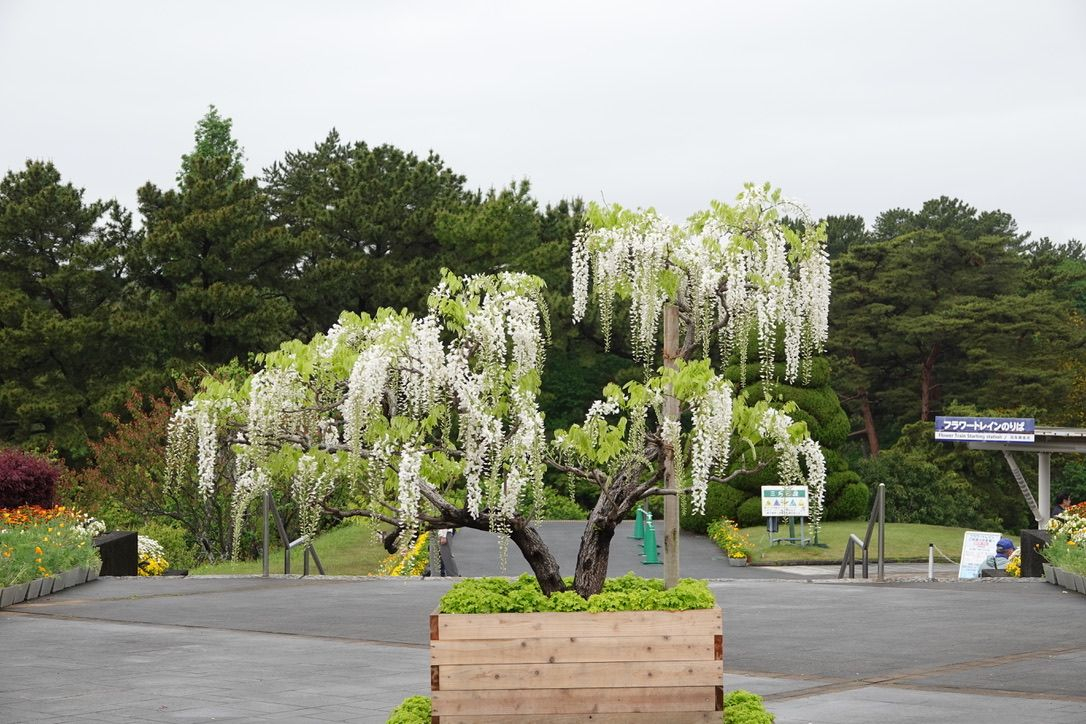
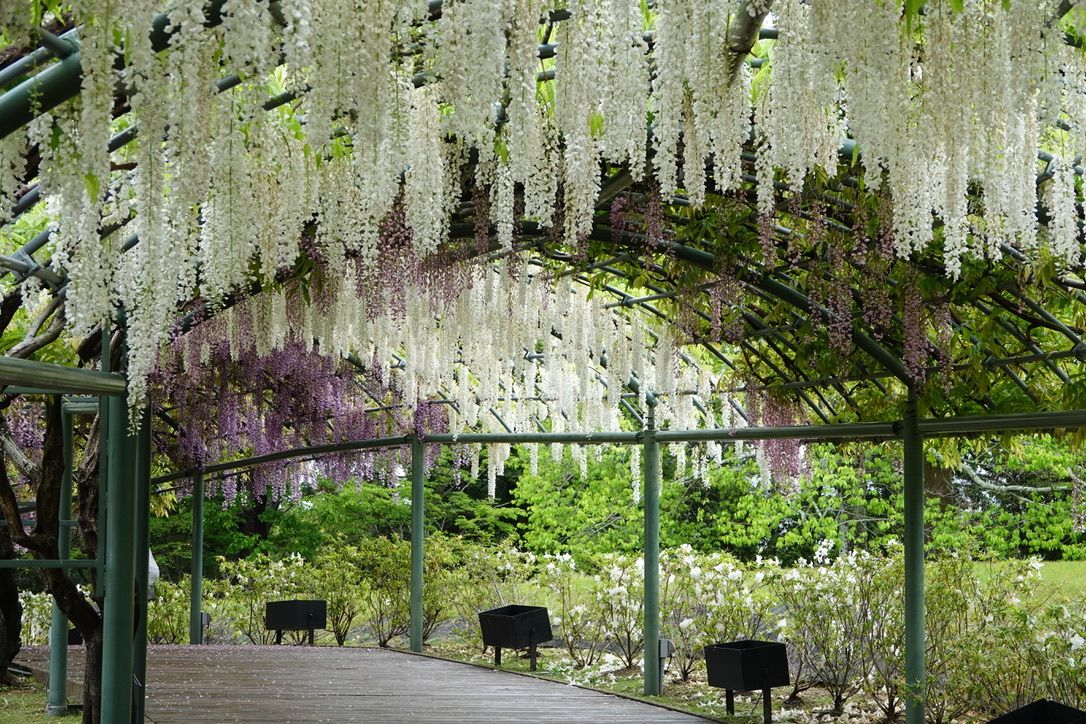
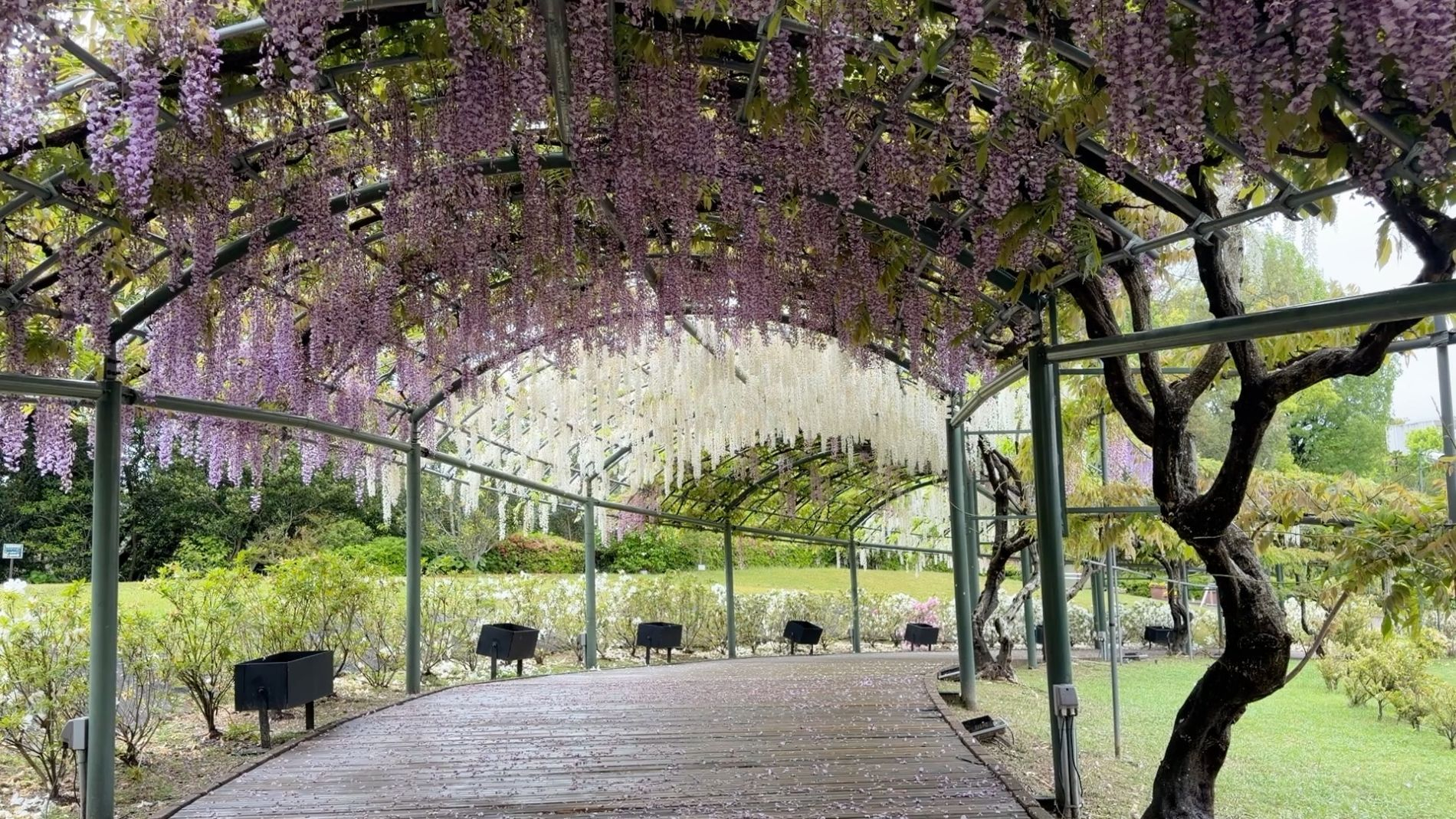
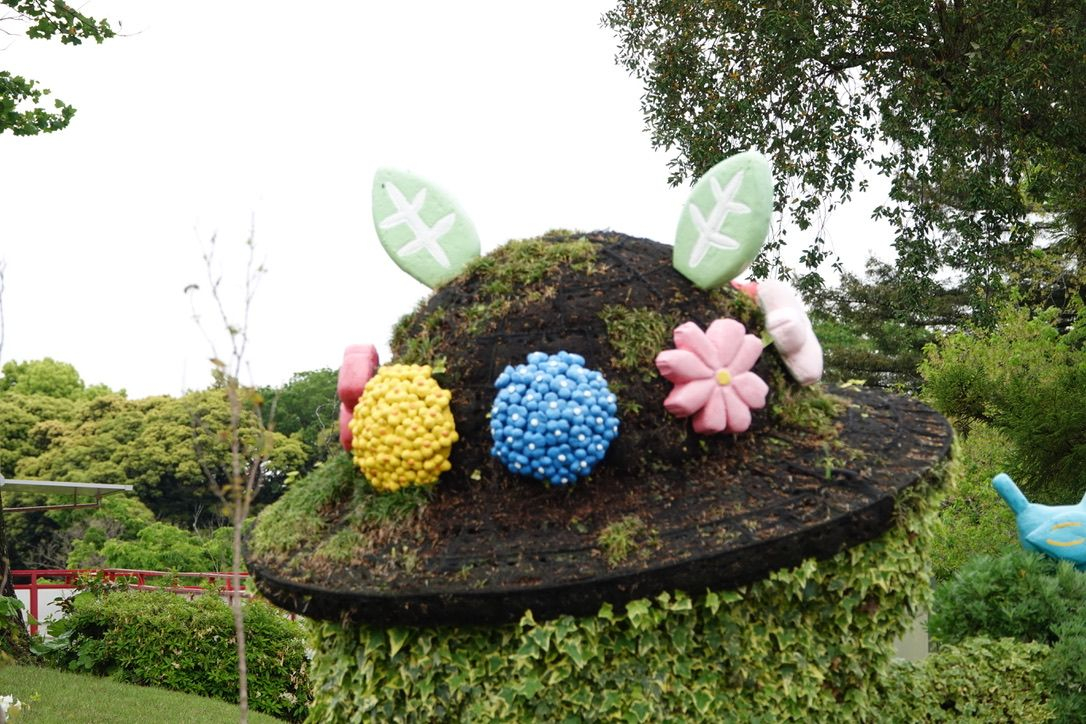
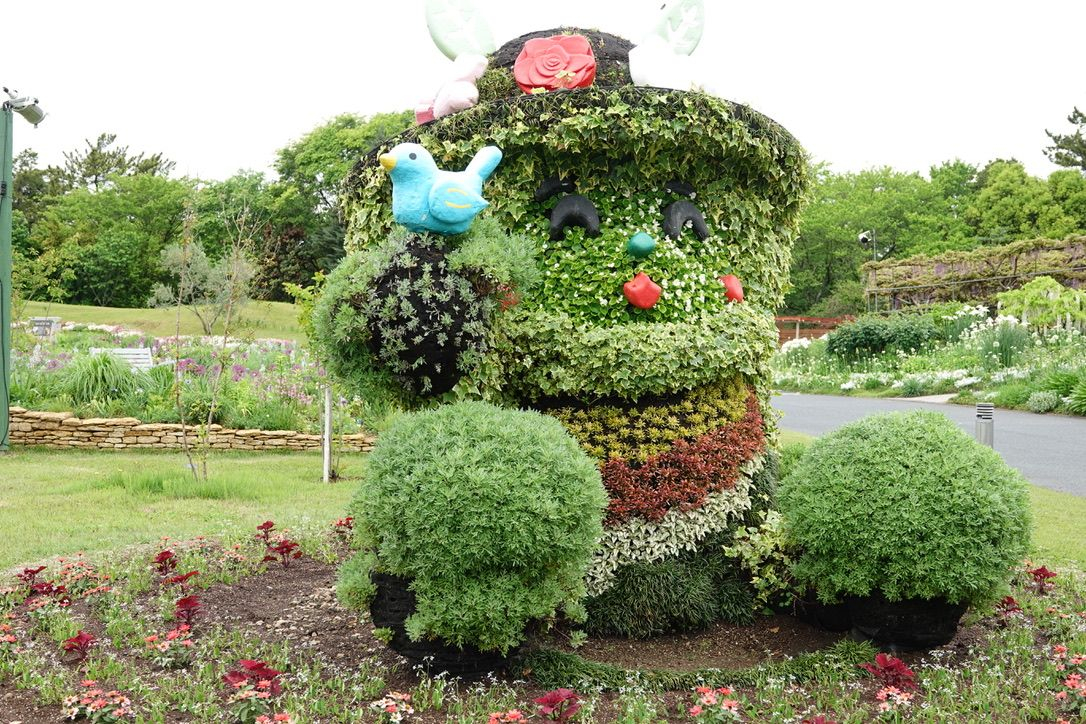
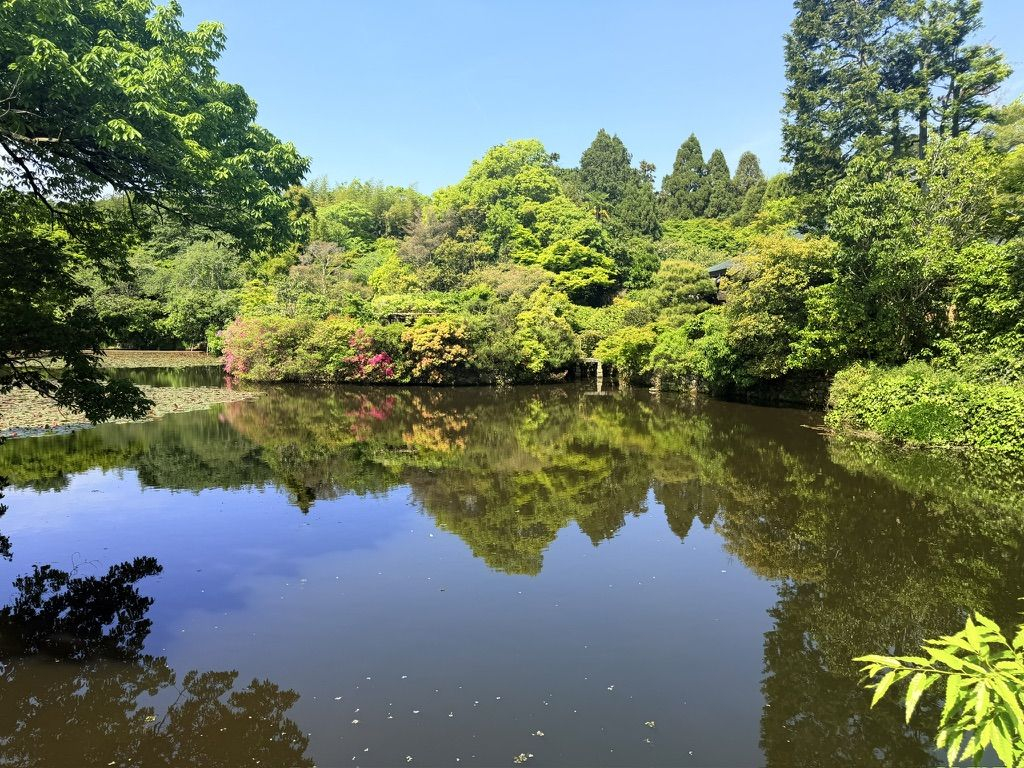
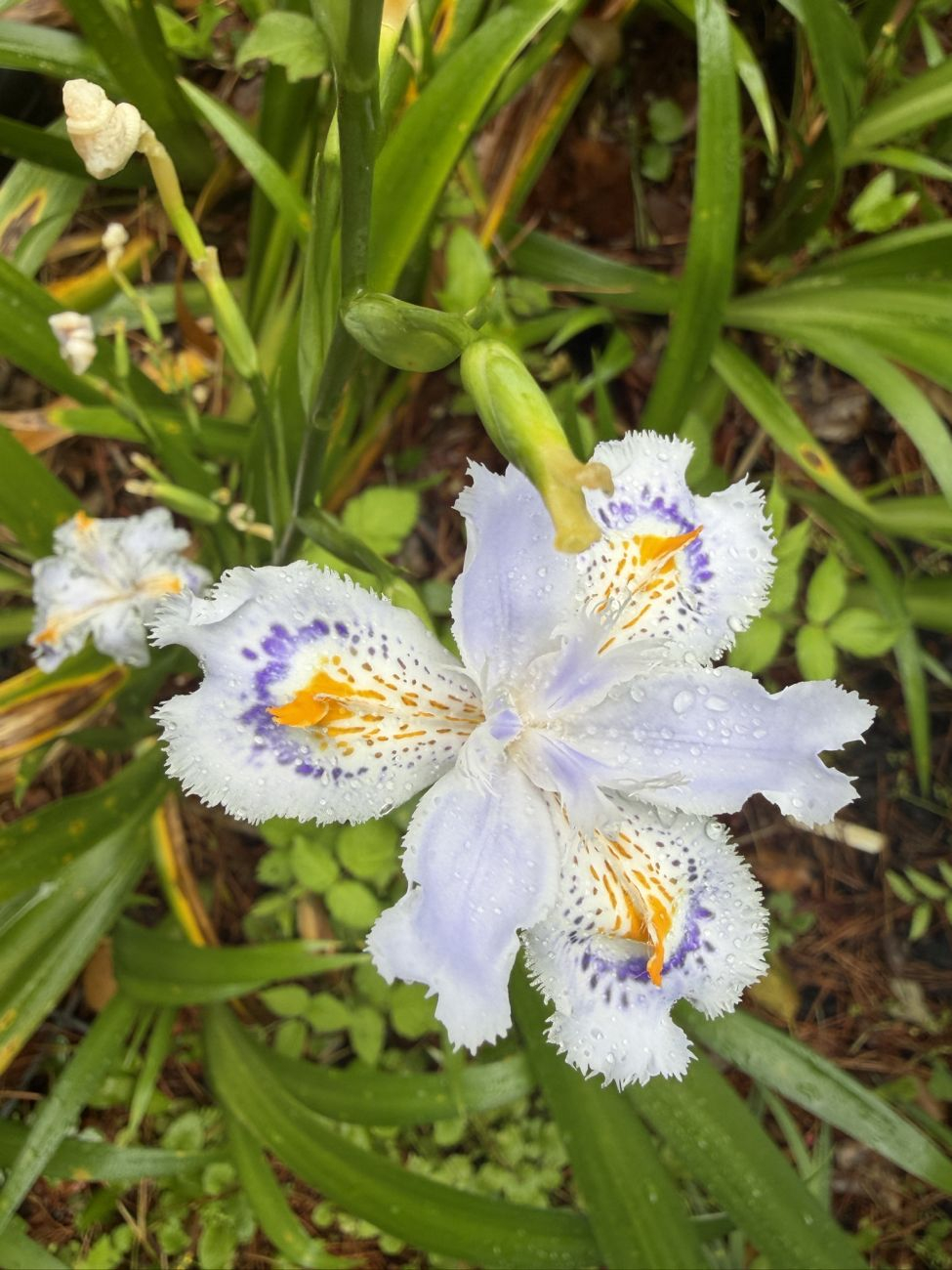
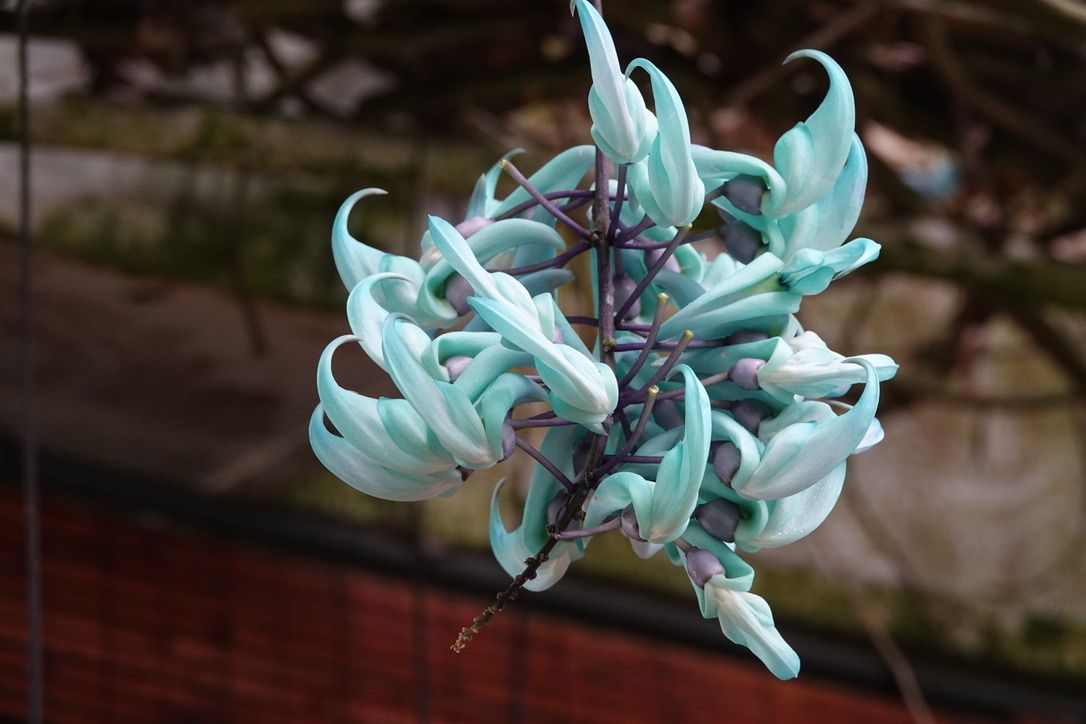
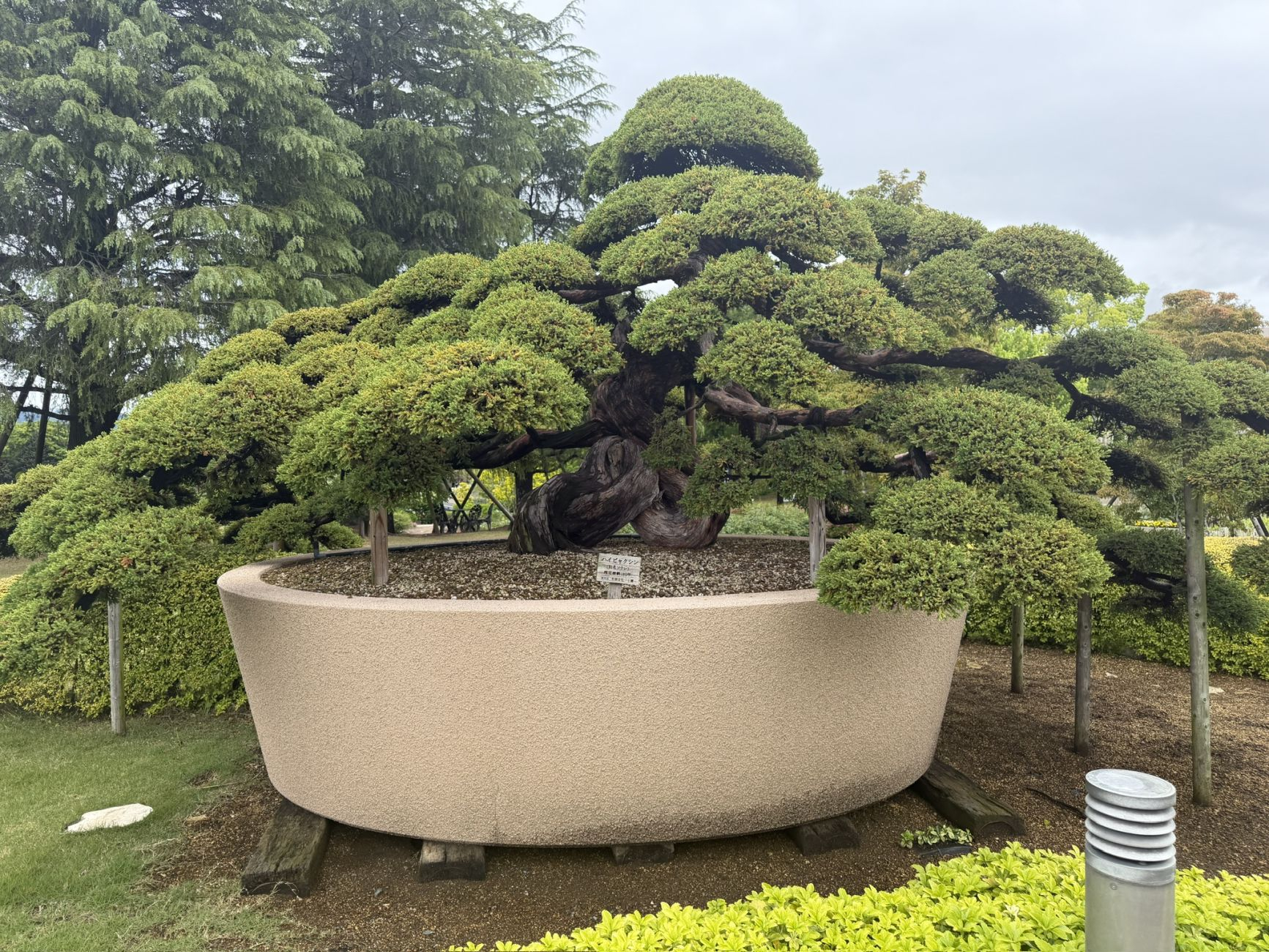
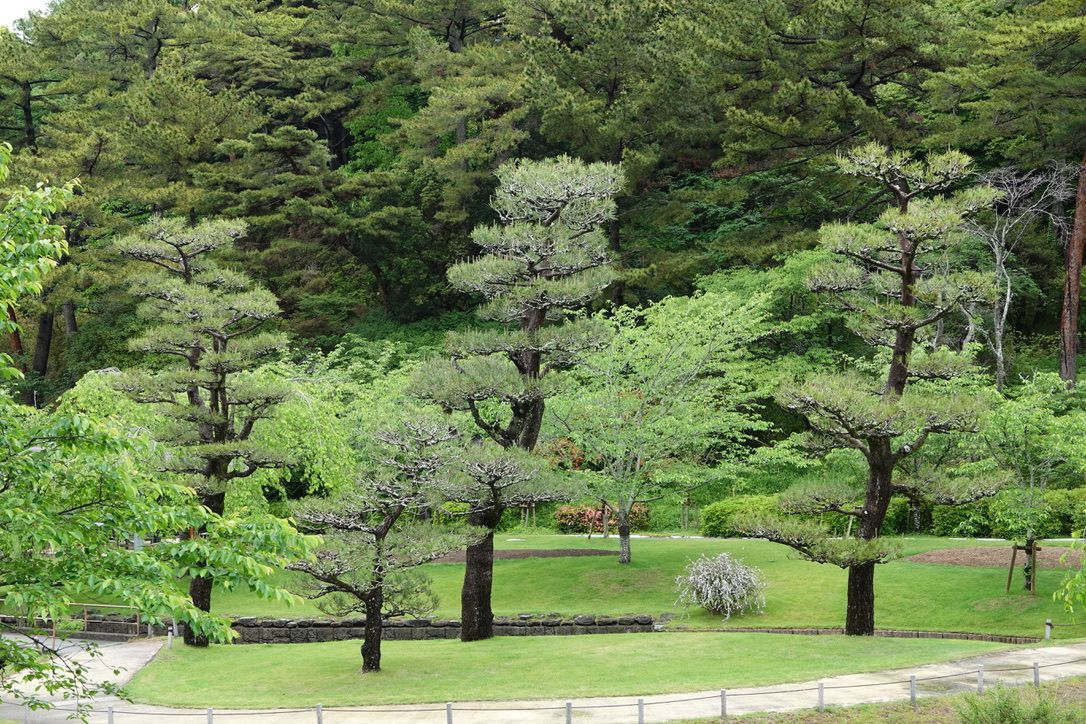
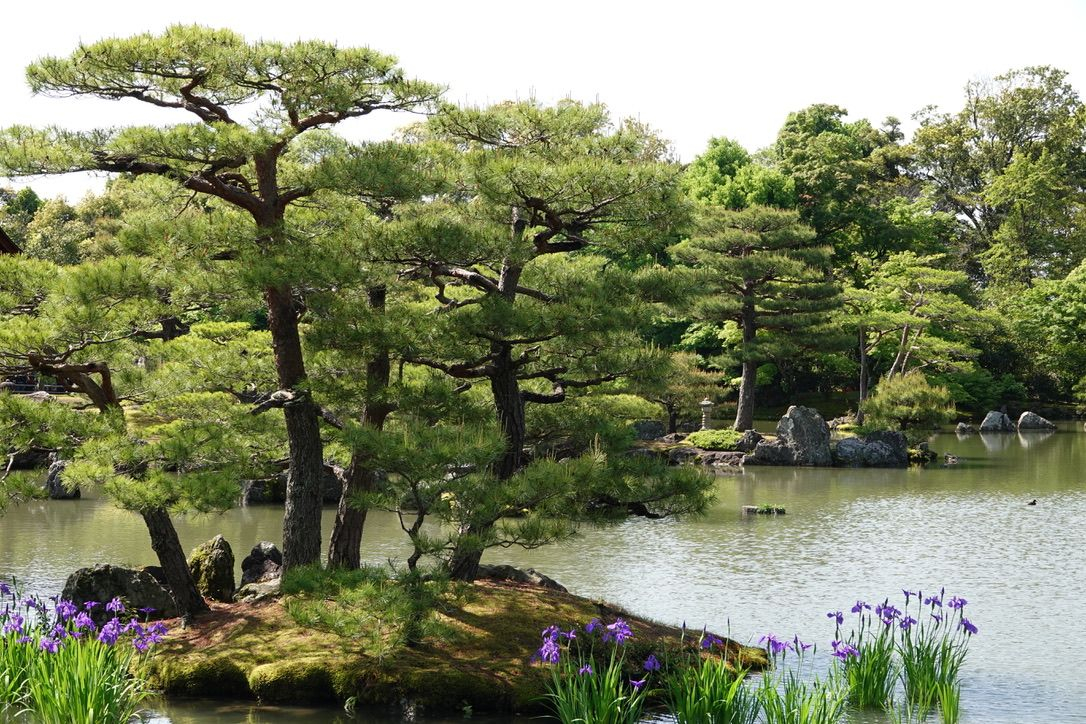
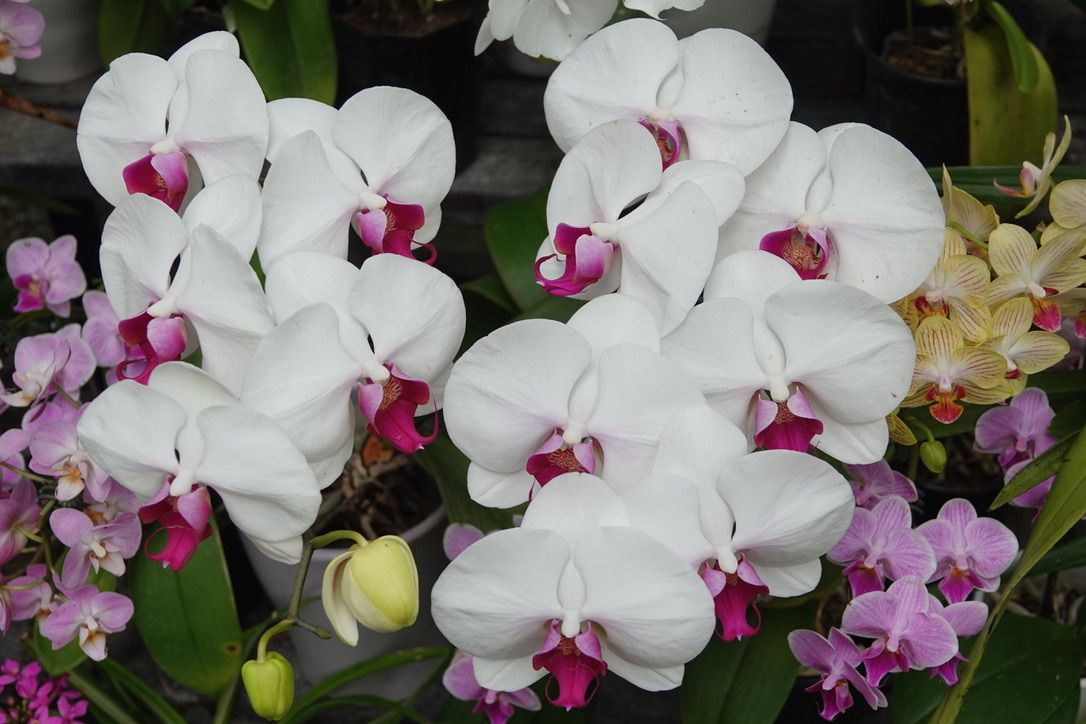
The second highlight is its magnificent flower garden, designed using the Japanese method. Its appeal lies in its seasonal changes. It boasts an impressive array of flowers, plants, and trees, all beautifully maintained. The cherry tree section is quite extensive, but unfortunately, the blossoms had faded by the time we visited. In Japan, cherry blossoms are a major tradition and draw huge crowds. I’ll let the photos speak for themselves; they’re the best way to appreciate this garden.
Transition route to Kyoto
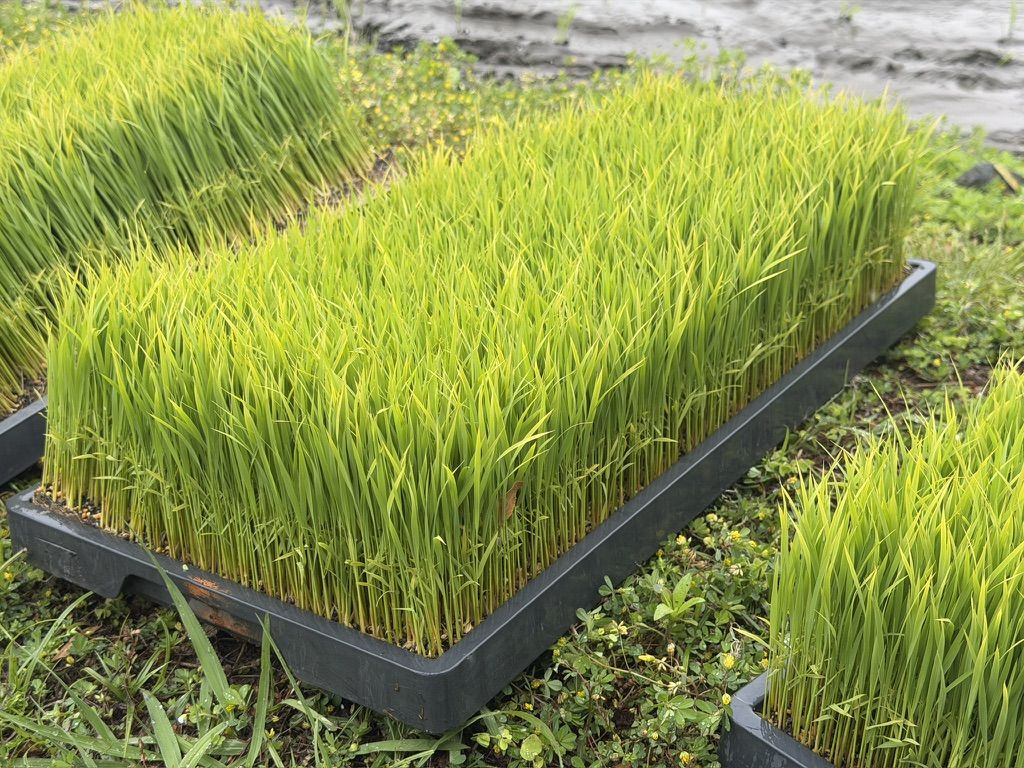
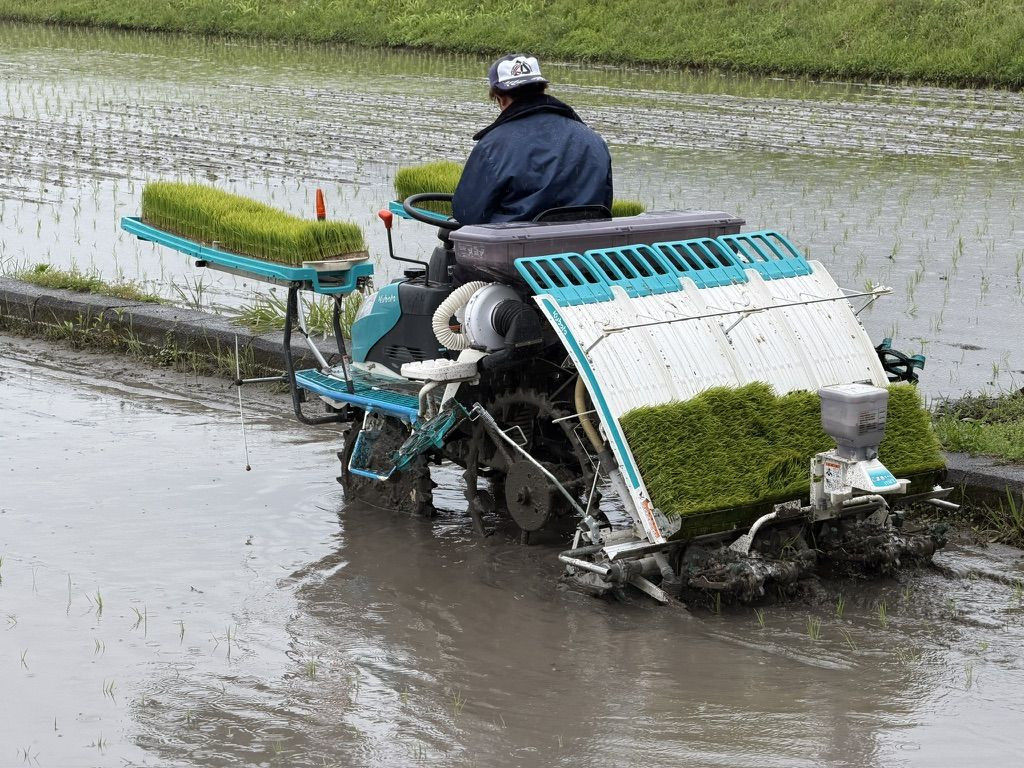
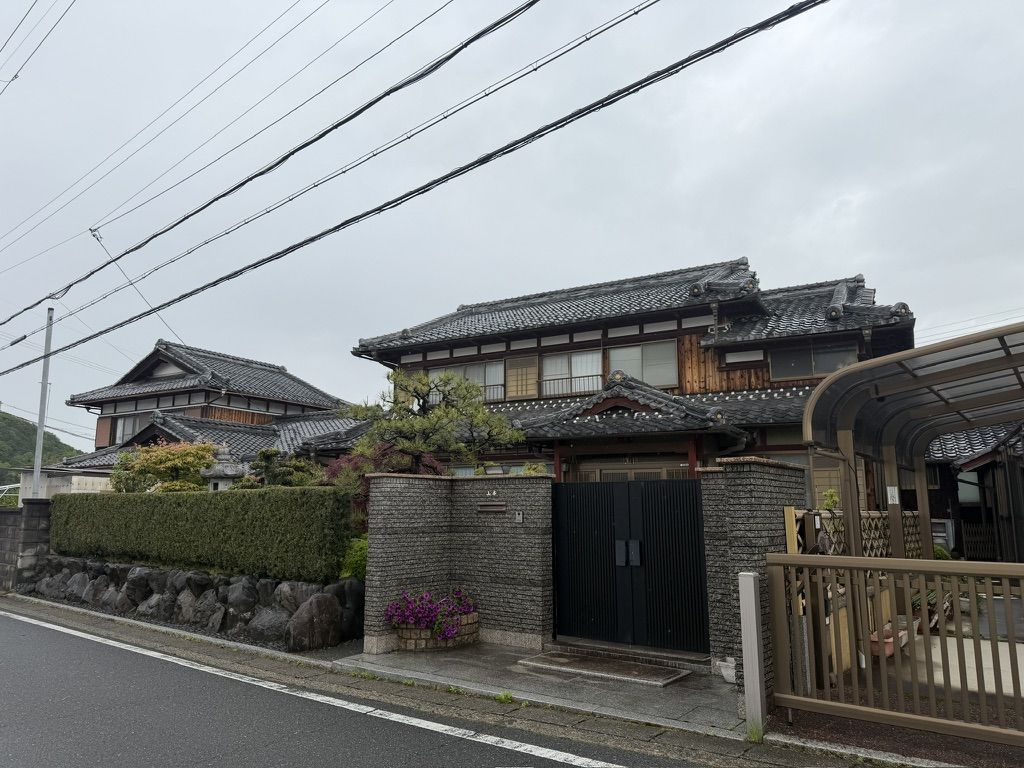
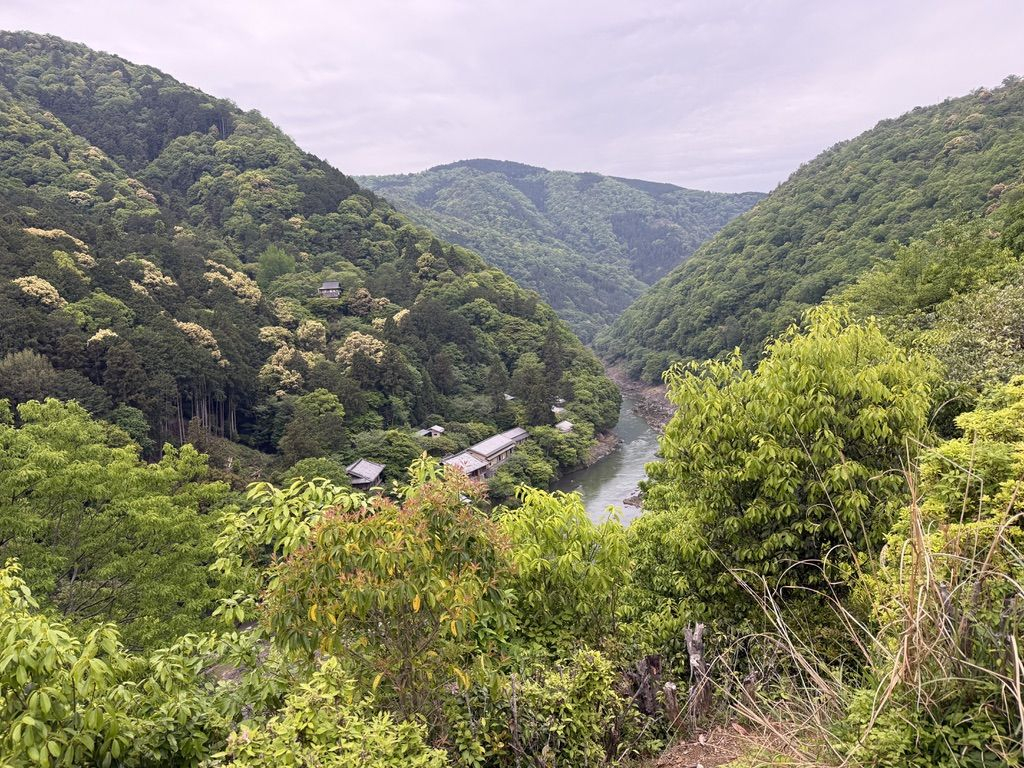
Three days of cycling in the rain between Hamamatsu and Kyoto; the weather was anything but kind. We were in the Japanese countryside, surrounded by rice paddies. Our route took us through several tunnels, including one 5km long where cars couldn’t overtake us. You can imagine the traffic jams we caused. It was incredibly stressful for us in that tunnel, where the heat was stifling. After three days, we finally reached Kyoto, a major metropolis much like Tokyo. We stayed in a guesthouse; the owner, a Japanese woman, was very pleasant and helpful.
Discover Kyoto, the ancient capital, and its temples.
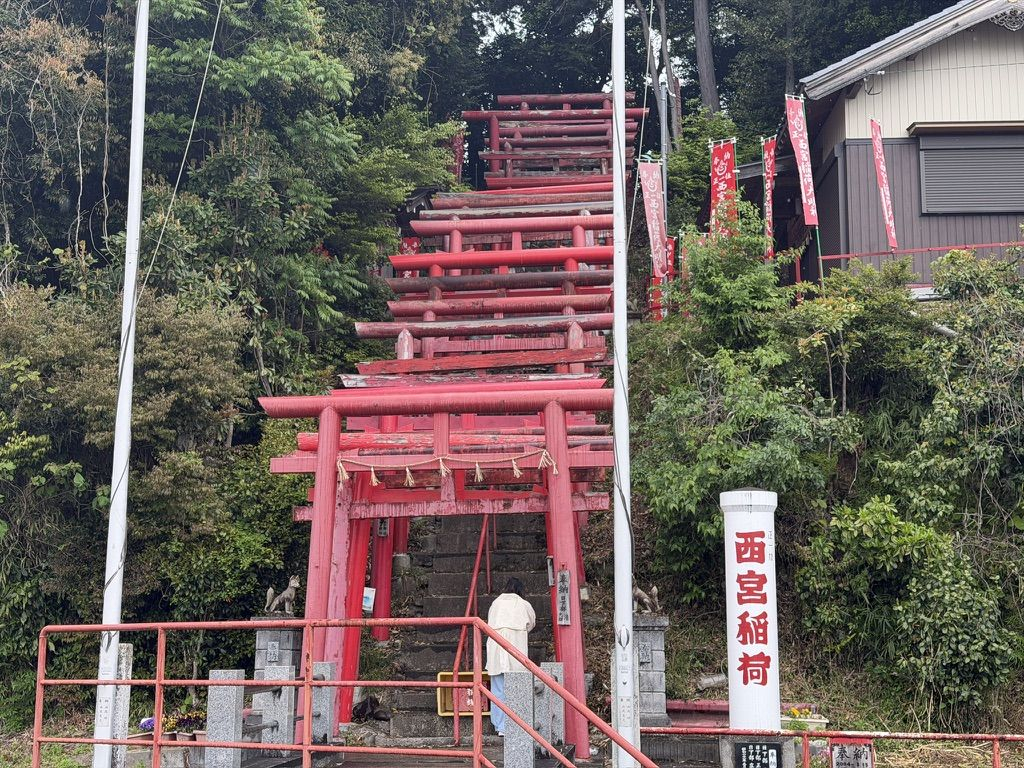
Kyoto is a city with approximately 1,600 temples and 400 shrines. The difference between the two isn’t always obvious. A shrine, recognizable by its torii gate, is a Shinto site, while a temple is a Buddhist site. Nevertheless, births and marriages are generally celebrated at shrines, and deaths at temples.
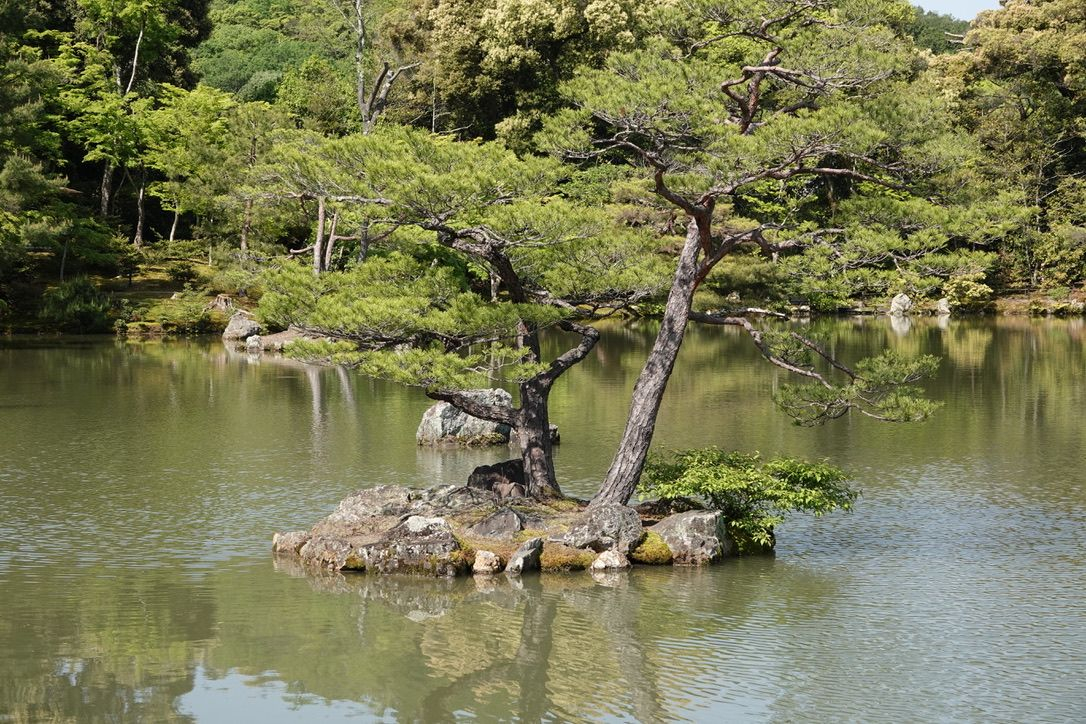
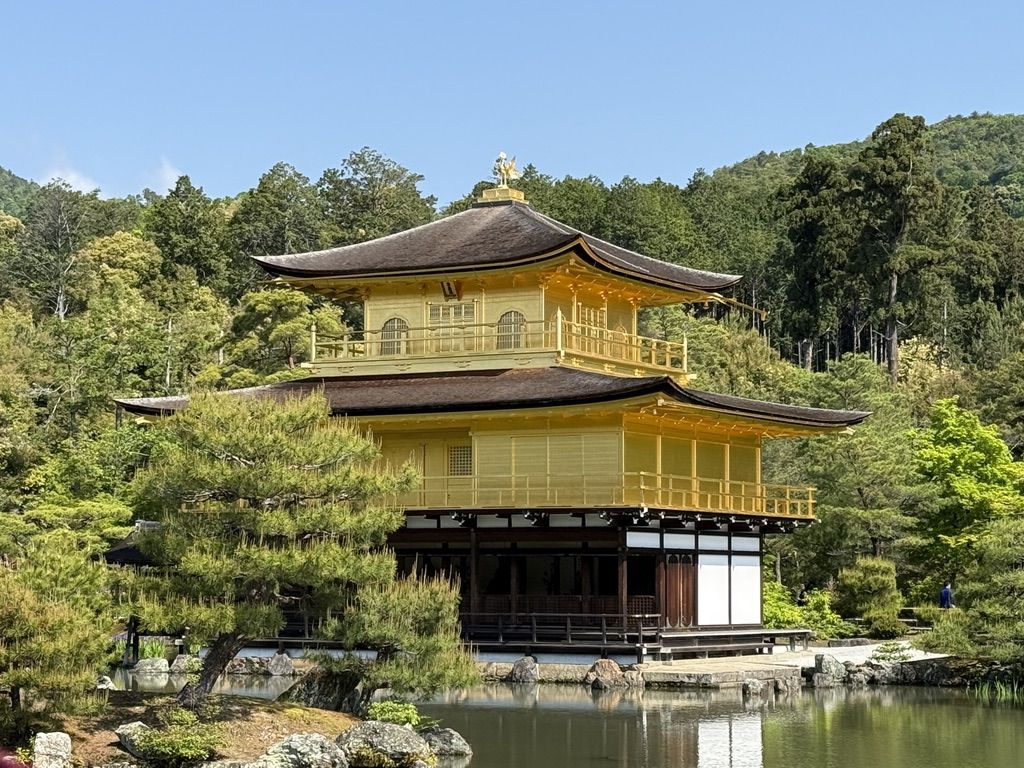
On our first day, we visited Kinkaku-ji Temple with its golden pavilion. It is magnificent and situated in an exceptional green setting. It is called this because its upper part is covered in gold leaf.
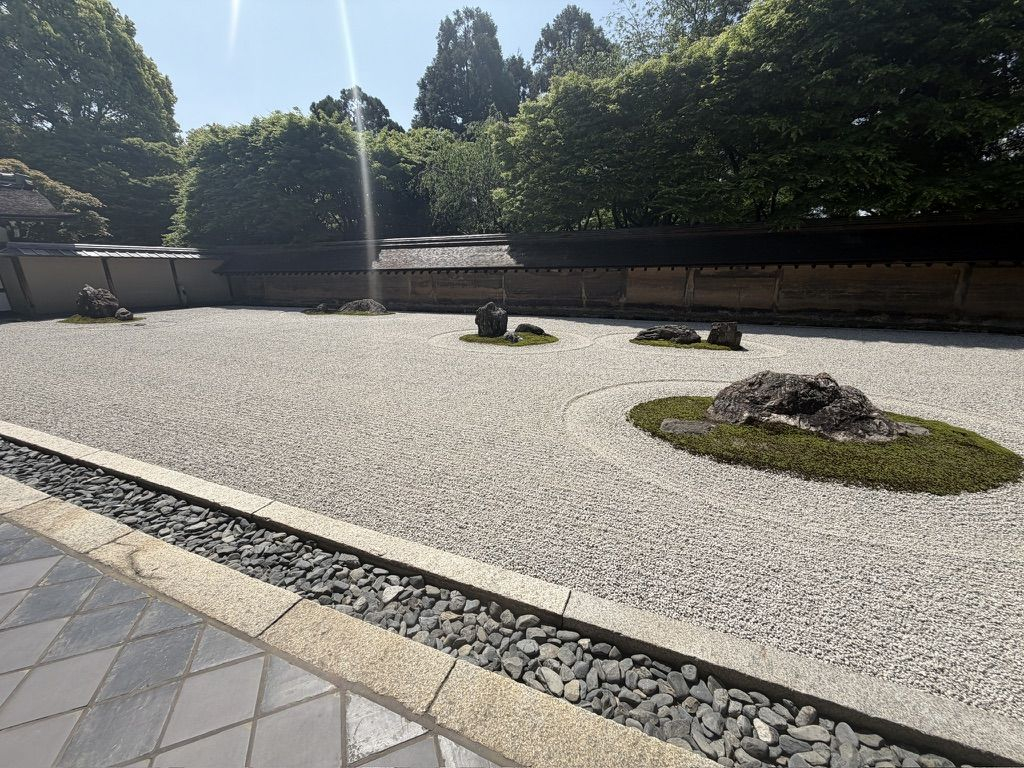
We took the opportunity to visit the rock garden of Royan-ji Temple. It’s a very unique garden, consisting primarily of stones with no greenery. Its main purpose is to serve as a setting for Zen meditation and spiritual contemplation.
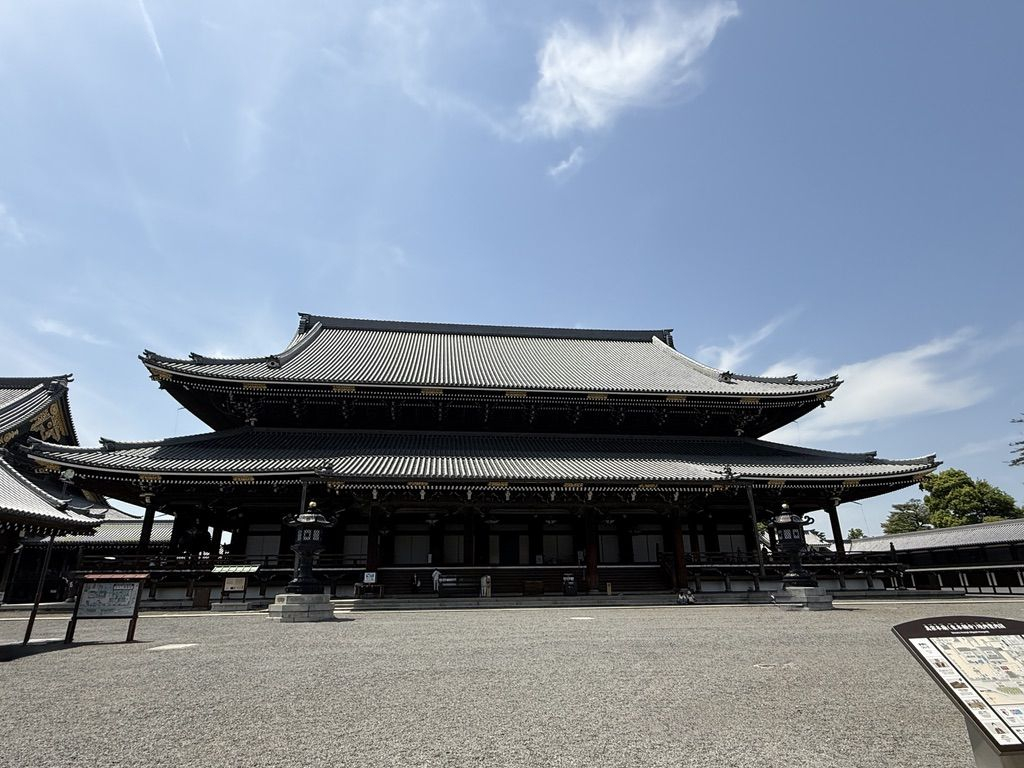
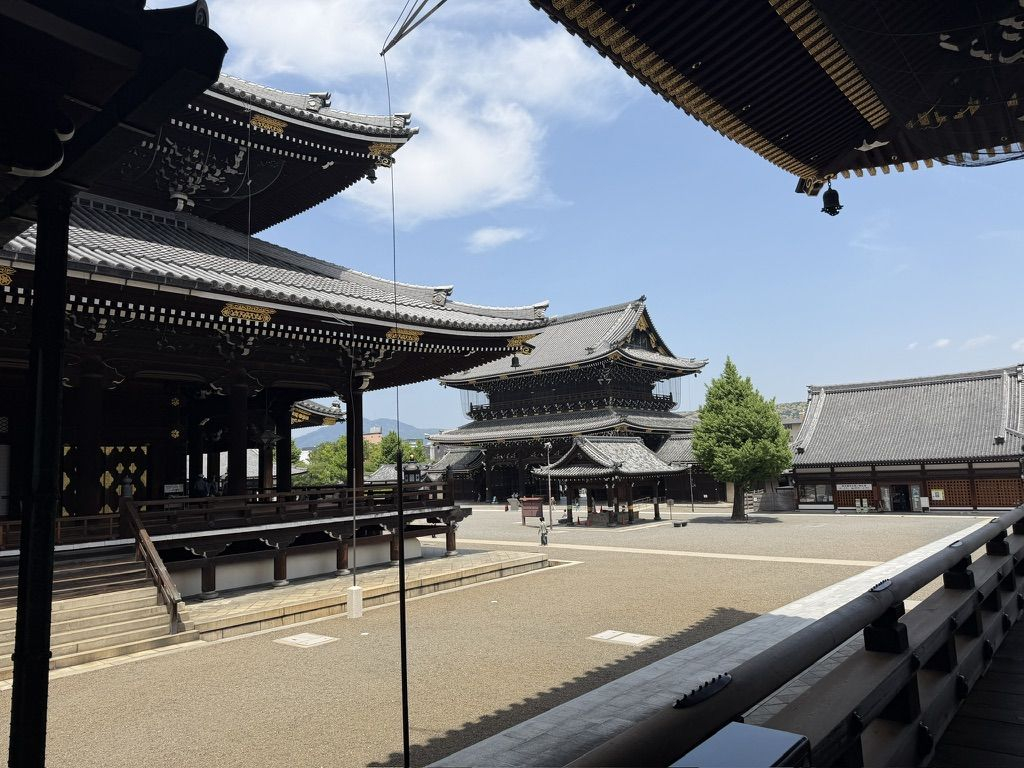
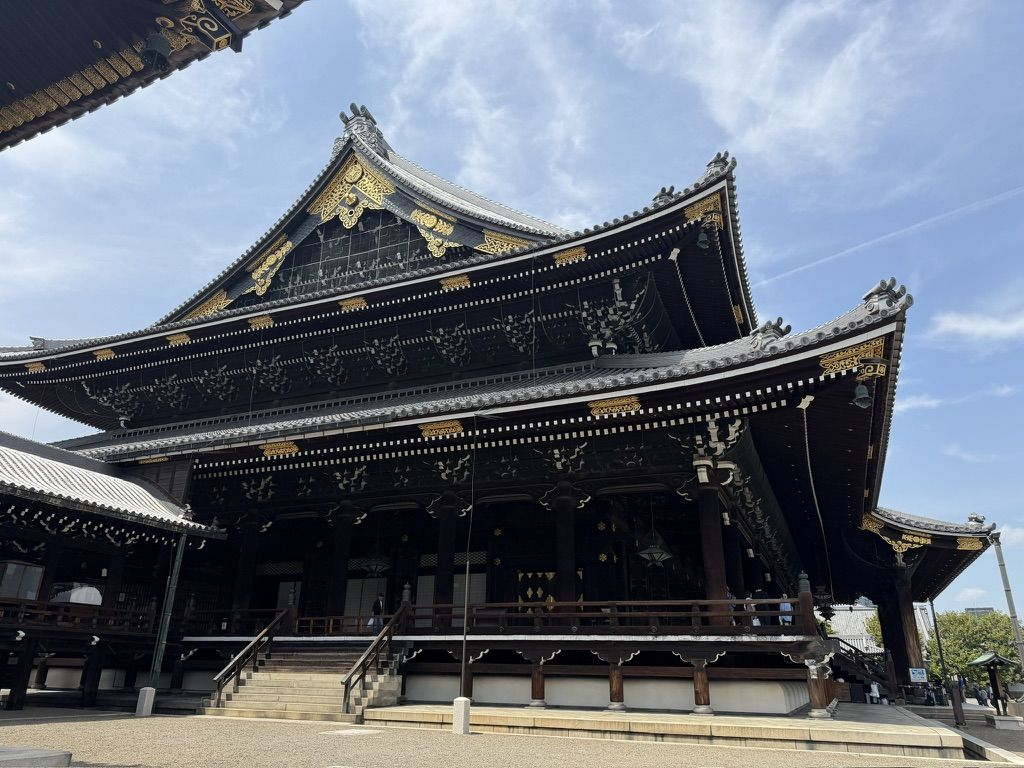
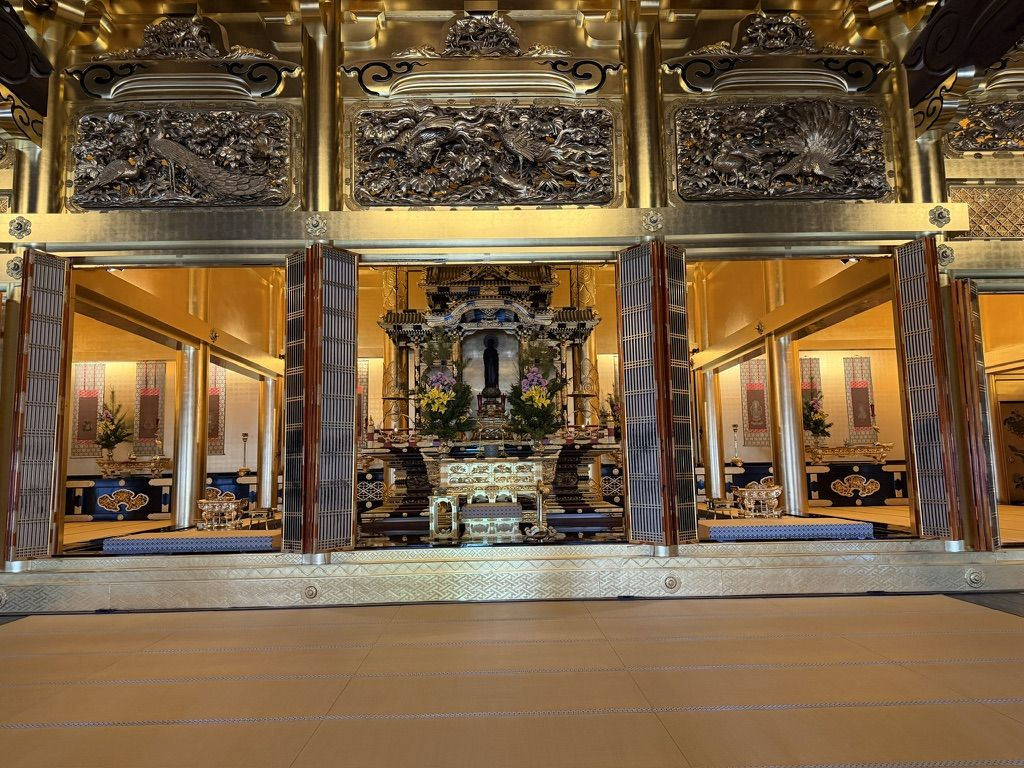
The Higashi-Hungan-Ji temple, built in the city center, is one of the largest Buddhist monuments in the world, particularly for the size of its roofs.
The bamboo grove
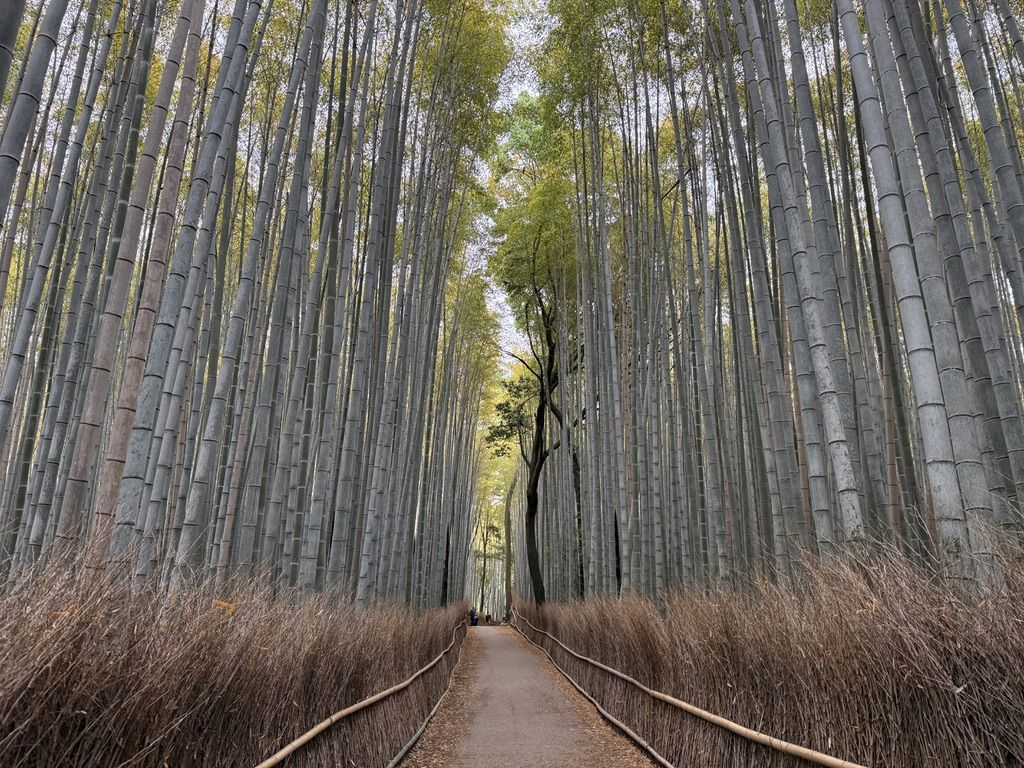
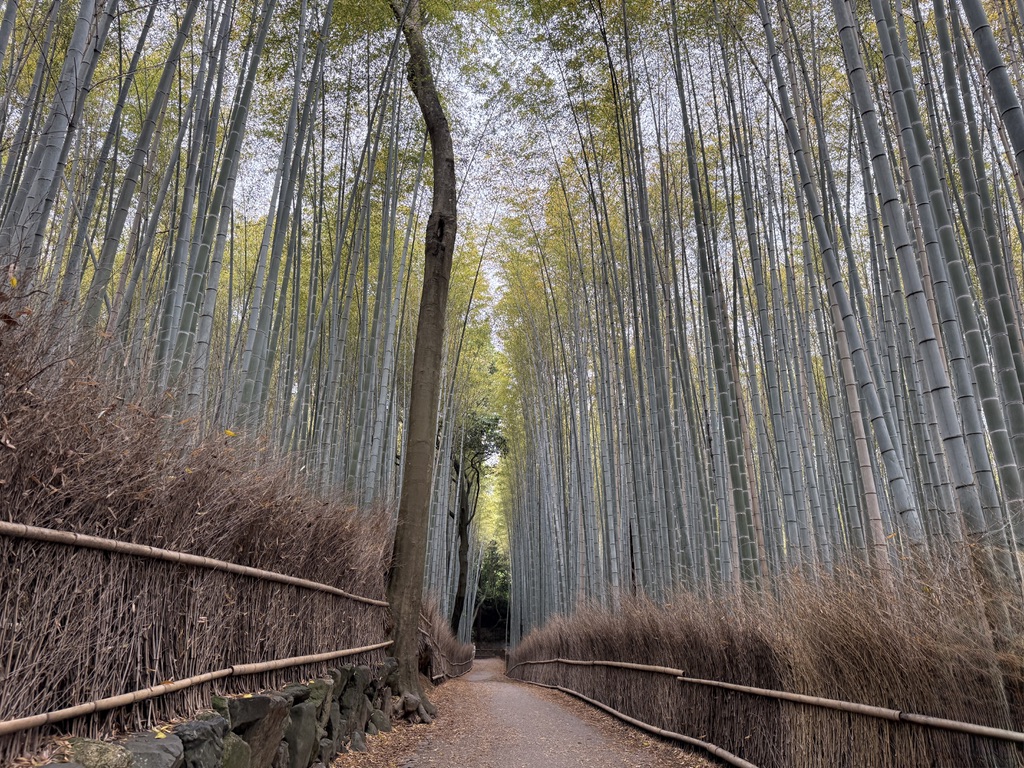
On the second day, we visited a bamboo grove. These places are very popular, and to avoid the crowds, you have to go very early. We left at 6:00 a.m. An excellent idea, as we hardly saw anyone. An unusual sight, but the reward was well worth it with the morning light. A very well-maintained place; kudos to the Japanese for the spectacle.
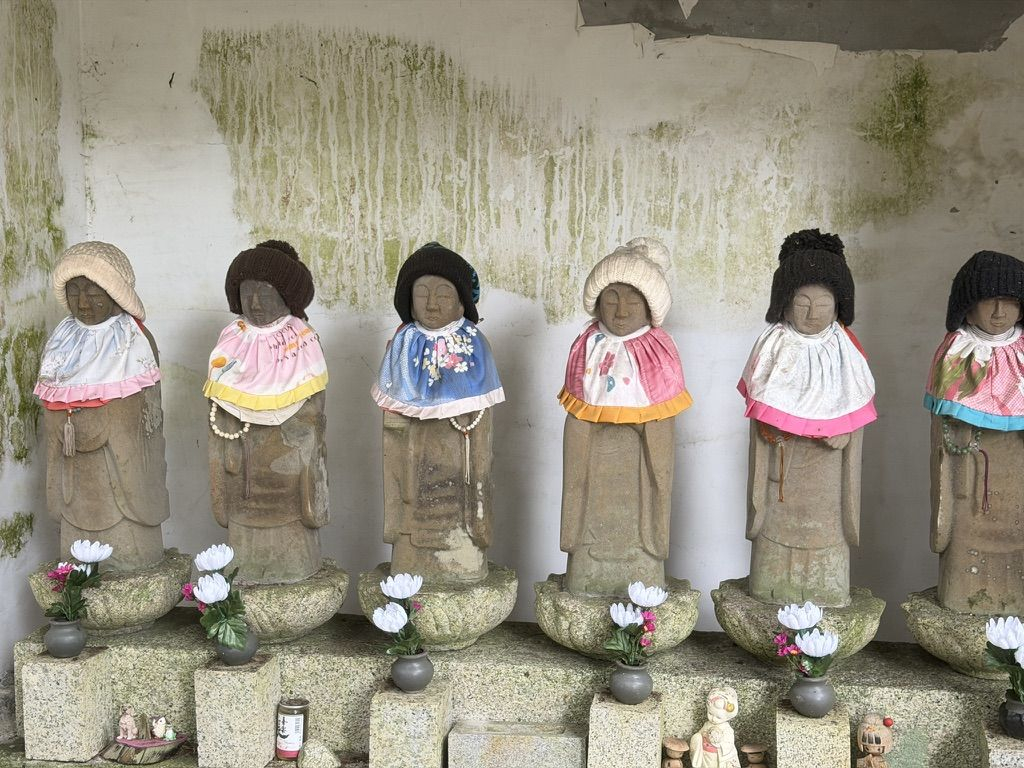
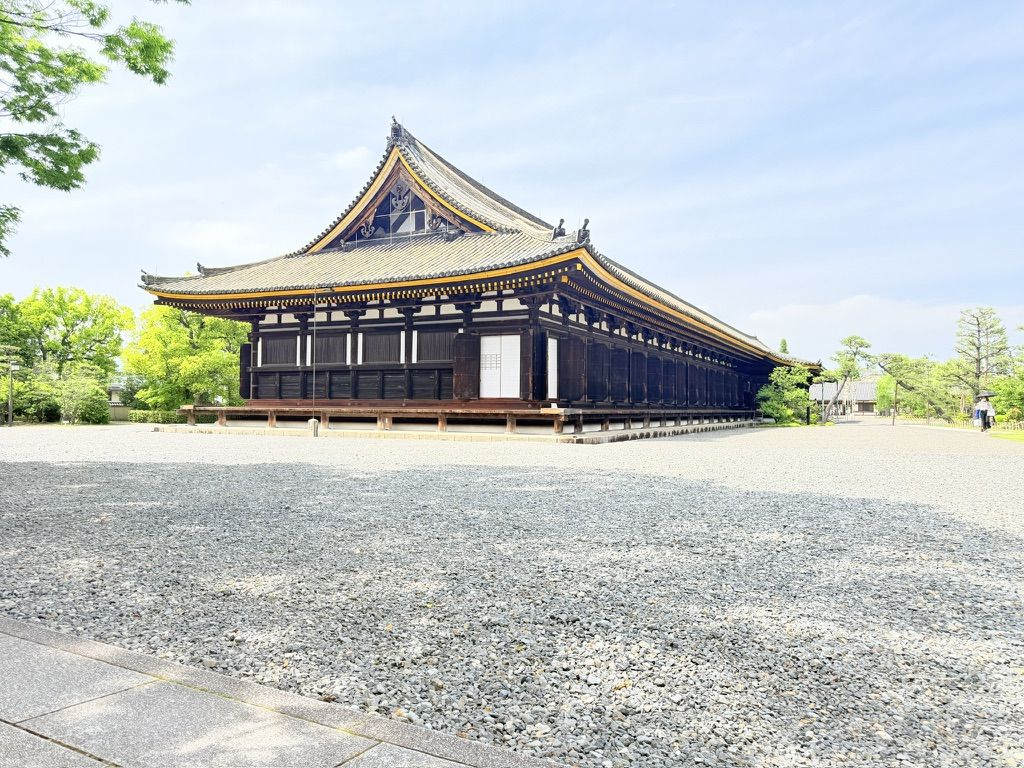
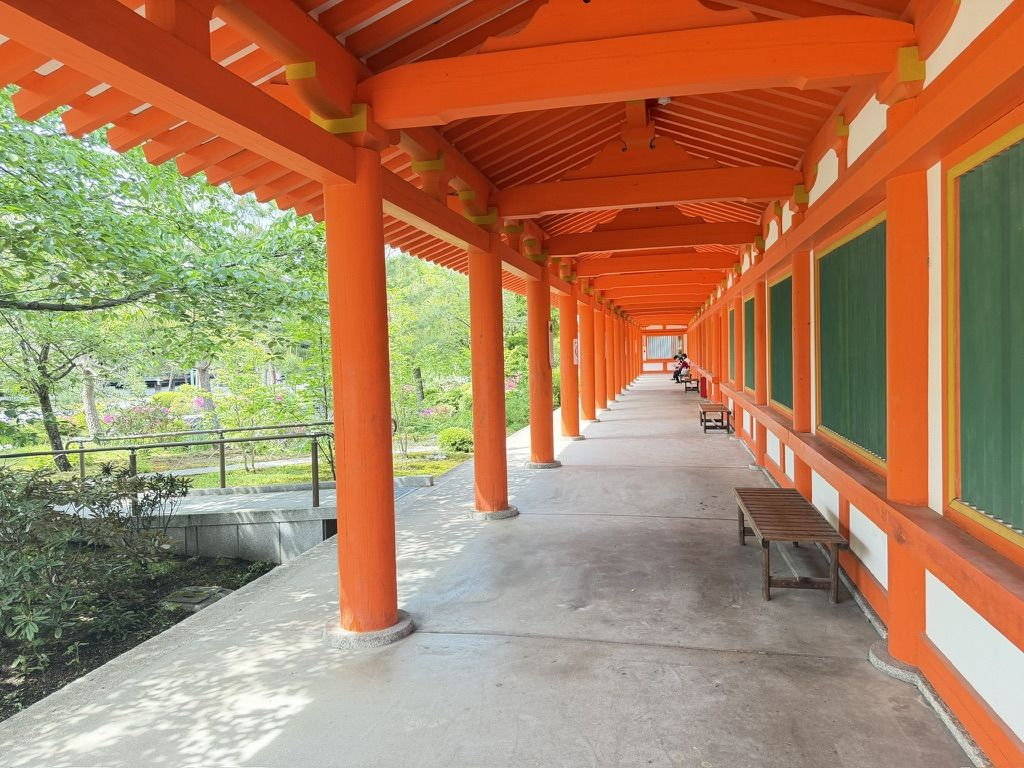
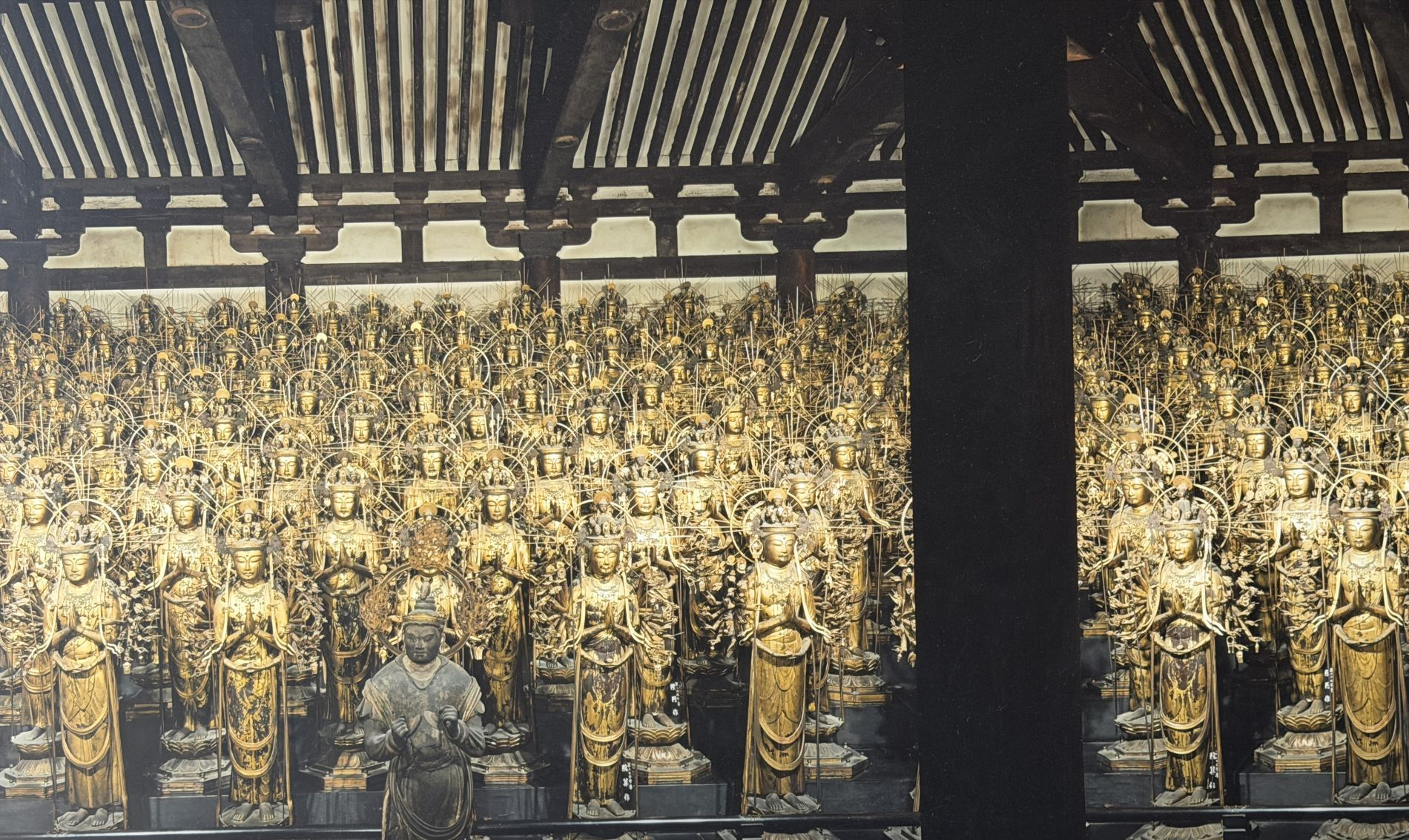
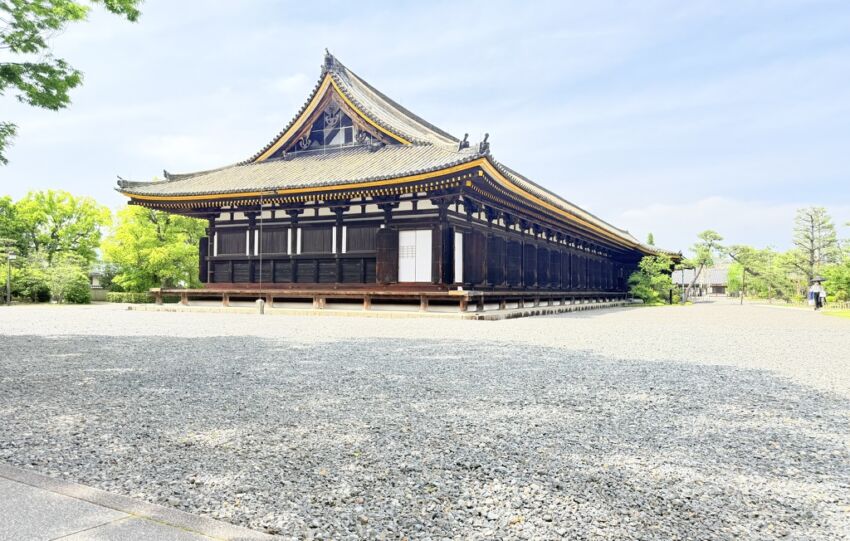
On the way back, we visited one last temple, Sanjūsangendo, with its 1001 gilded bronze statues. They were all different, each as tall as a human. What a feat of work it must have been to build all these temples with their statues!
Tourist trap
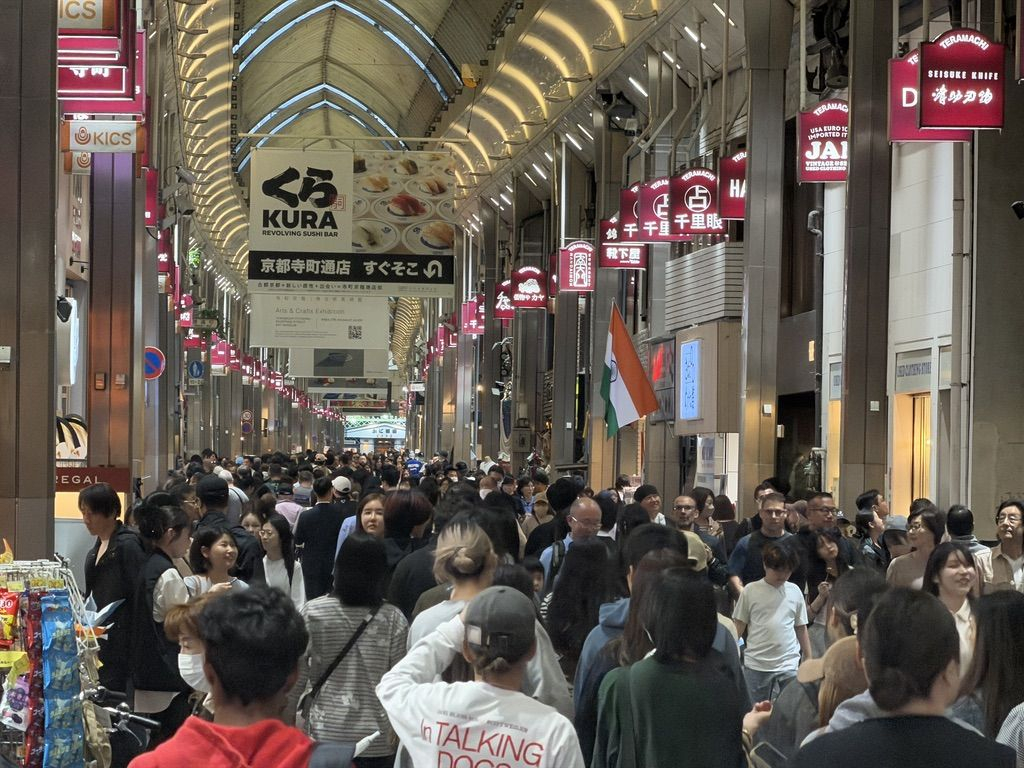
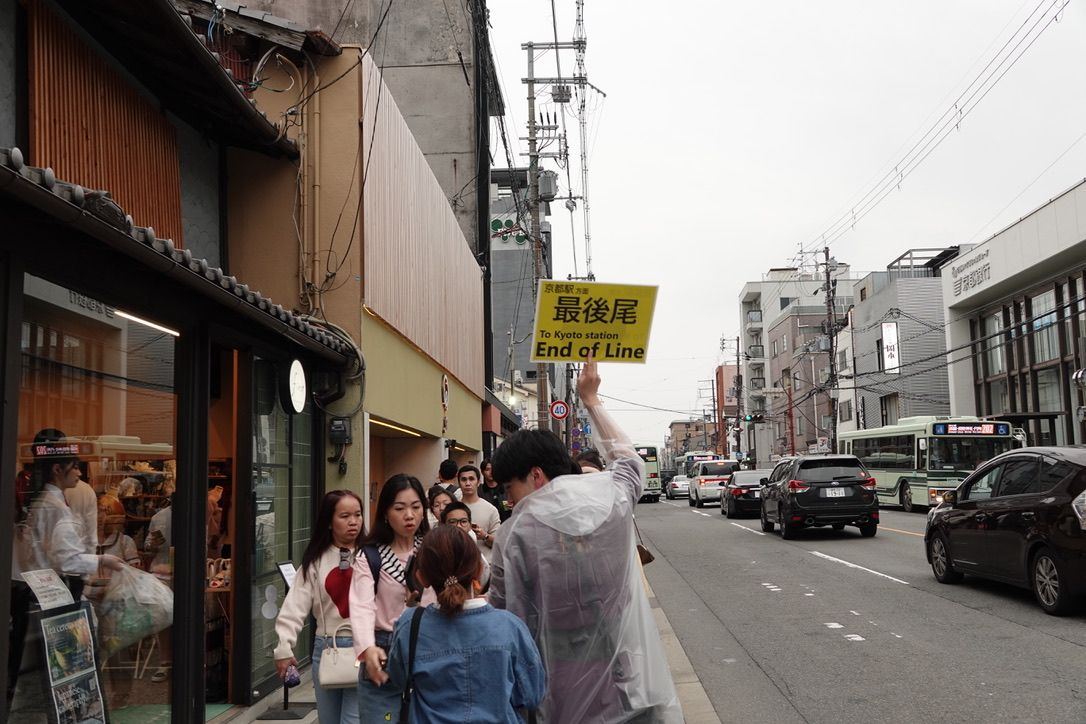
In the afternoon we visited the renowned Gion district, a place where one can see geishas. Unfortunately, it was a public holiday and the crowds were out in force. The geishas* remained well hidden.
A geisha is a traditional Japanese entertainer and hostess, highly skilled in dance, music, singing, conversation, and the tea ceremony, who entertains wealthy clients at exclusive receptions. A geisha is expected to be single.
The neighborhood, with all its shops and restaurants, is what I would call a tourist trap. It wasn’t the place that most excited us, and while it may have had some appeal in the past due to its authenticity, all of that is gone now. It resembles a gigantic commercial market.
Our scare of the day: Saturday, May 2nd, at 6:28 PM, the building we were in began to shake violently. Simultaneously, an earthquake alert sounded on our cell phones, requesting the evacuation of our apartments. The tremor was measured at 5.7 on the Richter scale (the standard measurement for earthquakes).
Did you know: Japan has 16 public holidays each year. If a public holiday falls on a Sunday, the following Monday is also a public holiday. There are some very special holidays. Click HERE to see the list.
Did you know (second fact) : in Japan vehicles drive on the left.
Course
We covered 287km between April 26th and May 3rd. Find the route map by clicking HERE