

Share This Article
From Tuesday, May 26 to Wednesday, June 5, from Noryang-Ri Island to Cheongju
Ordinary days
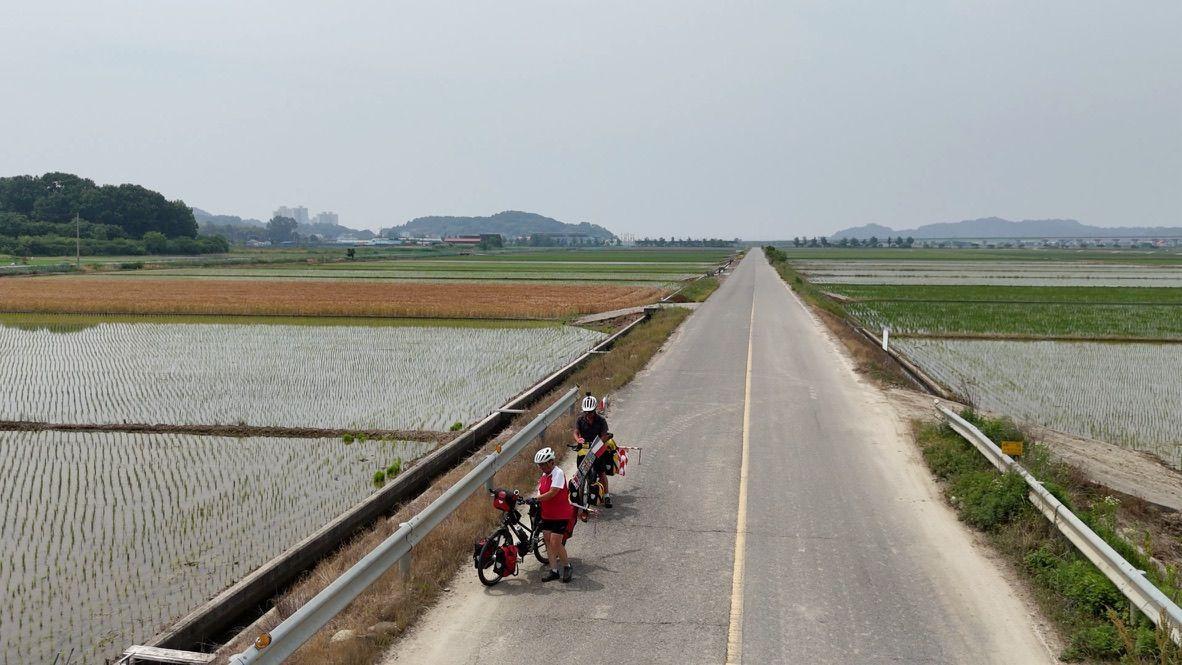
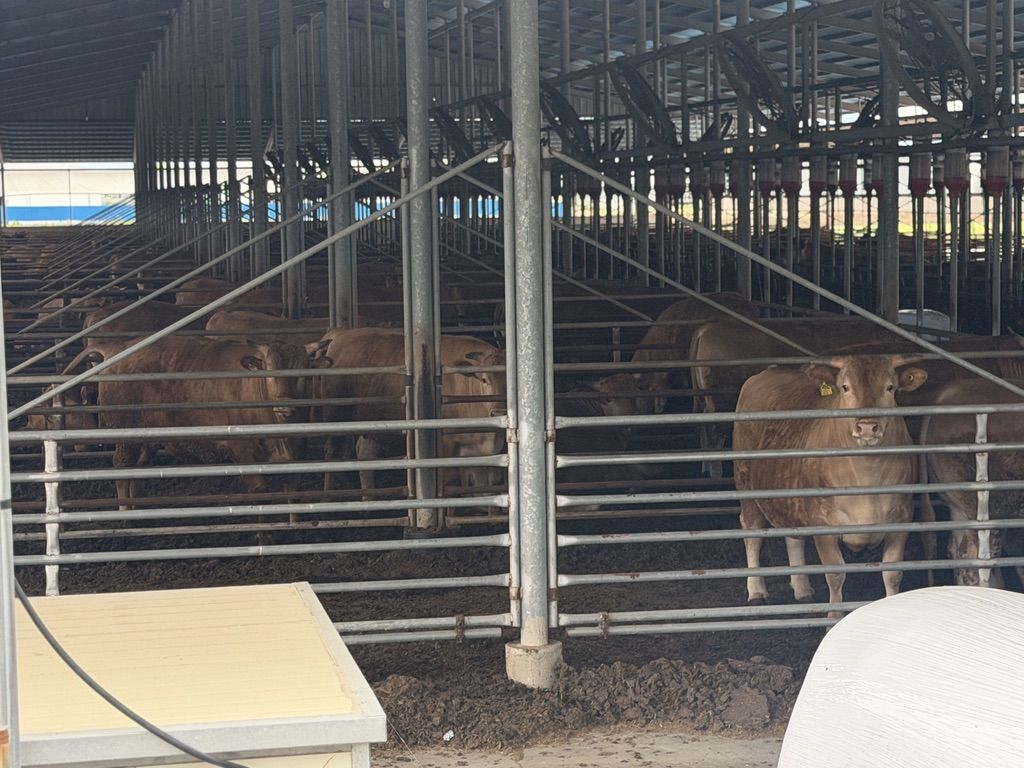
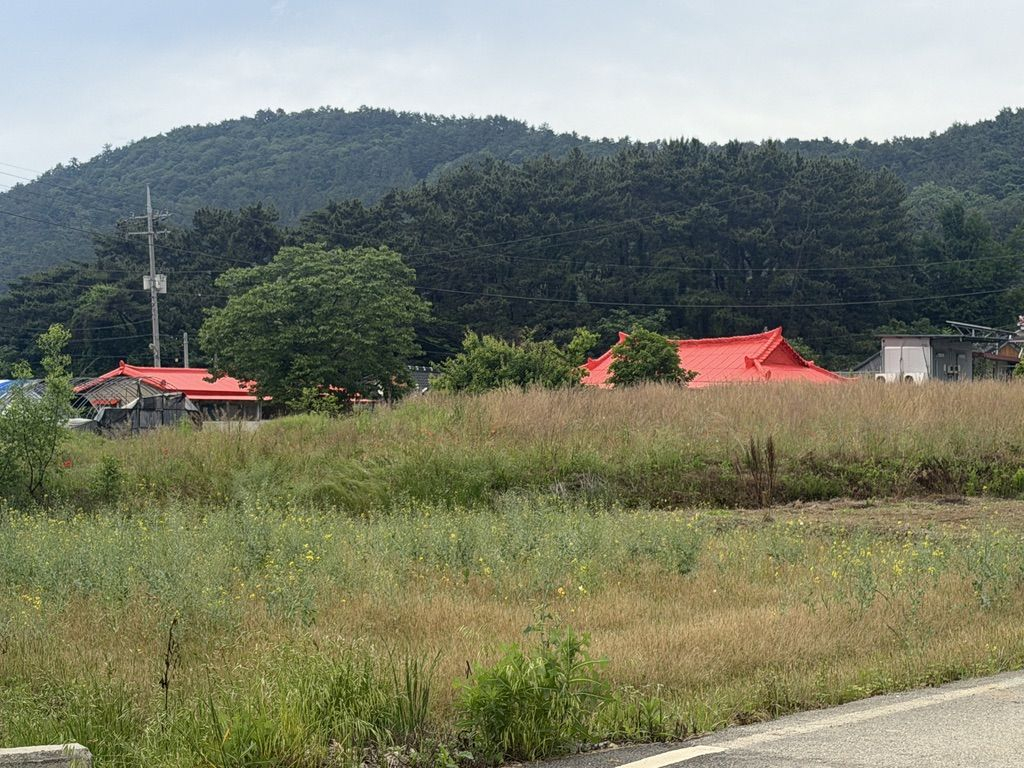
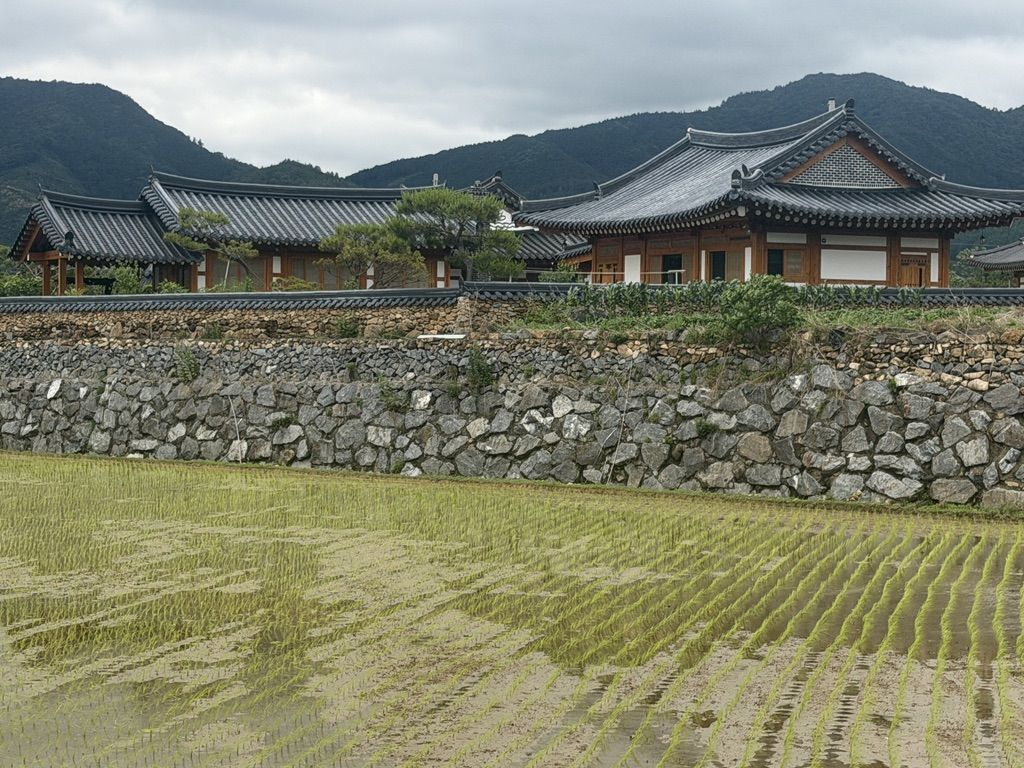
Our first three days were pretty much the same. We traveled through the southwestern part of the country, passing through rice paddies. It’s a region of Korea where rice cultivation is ubiquitous. We also saw many buildings where cattle are kept. In Korea, they don’t go to the fields; they stay indoors all the time. They are fed hay and processed feed.
May 26th, we drove past the Hadong coal-fired power plant. It has 8 units with a capacity of 4000 MW. (That’s equivalent to 3 nuclear reactors in France). Having worked for thermal power plants for 38 years, I was impressed by the size of the site and its chimneys.
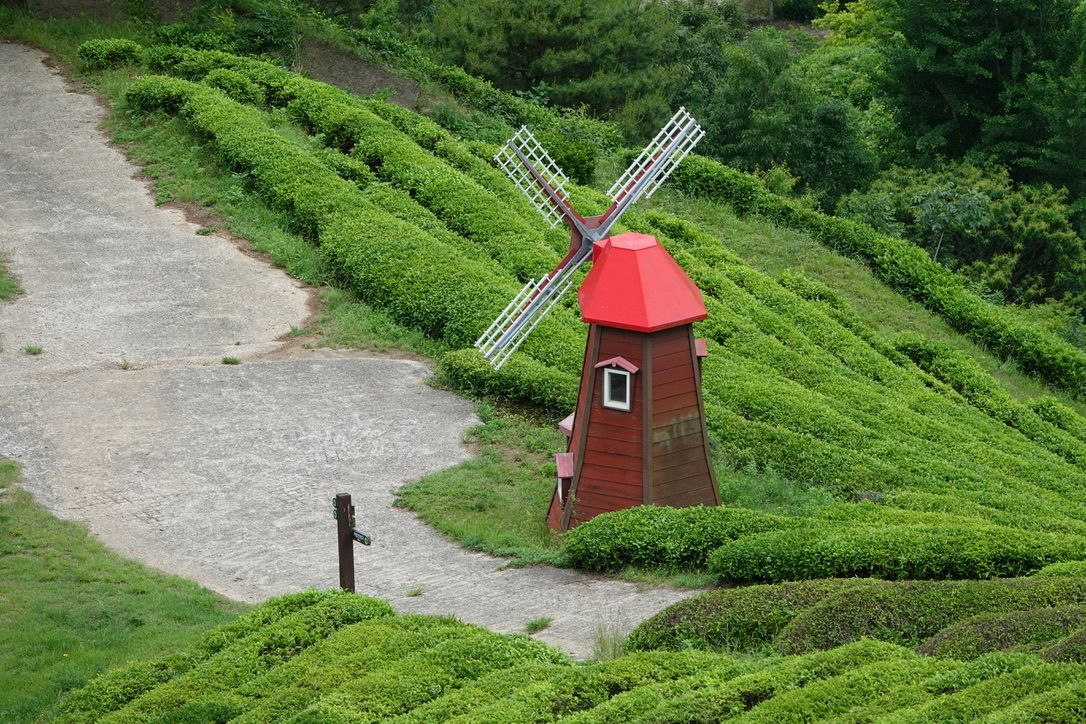
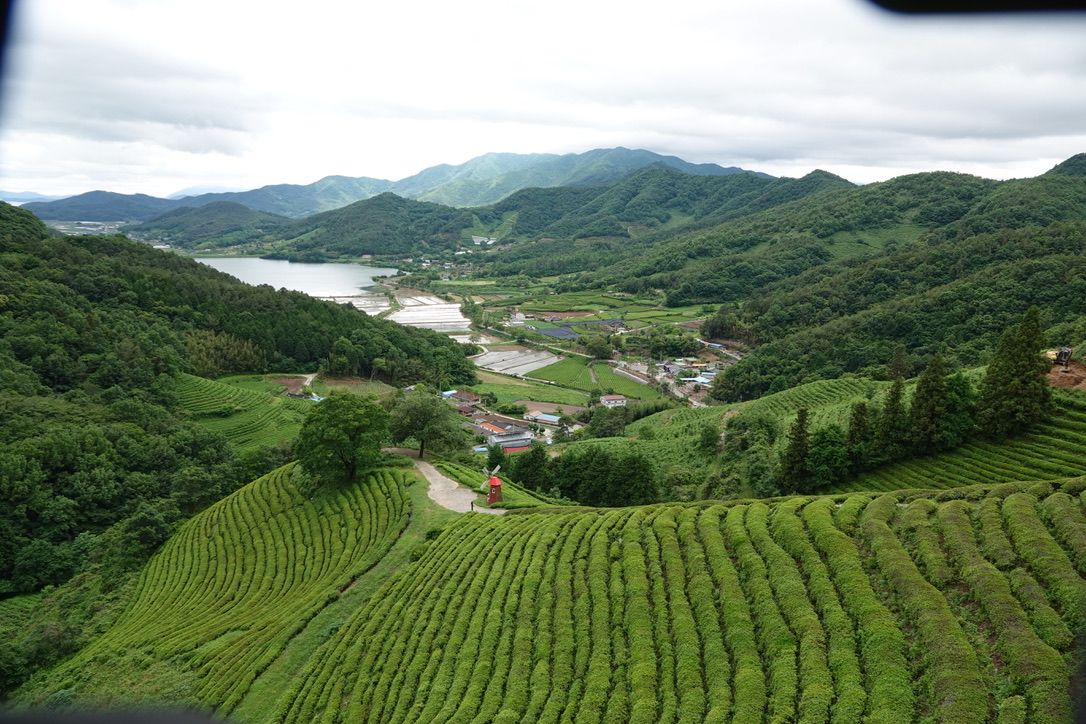
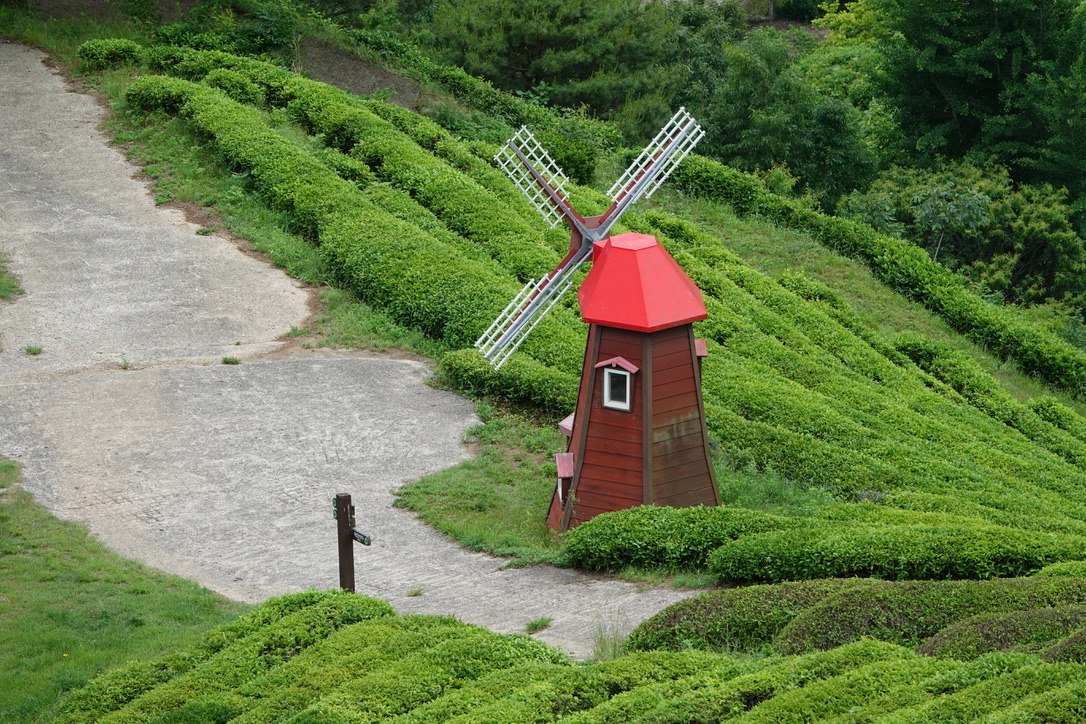
Today we are crossing the tea plantation area of the Boseong region. The plantations on the mountainsides are trimmed with straight lines and the whole scene is beautiful to look at.
Sharing a meal with the rice farmers
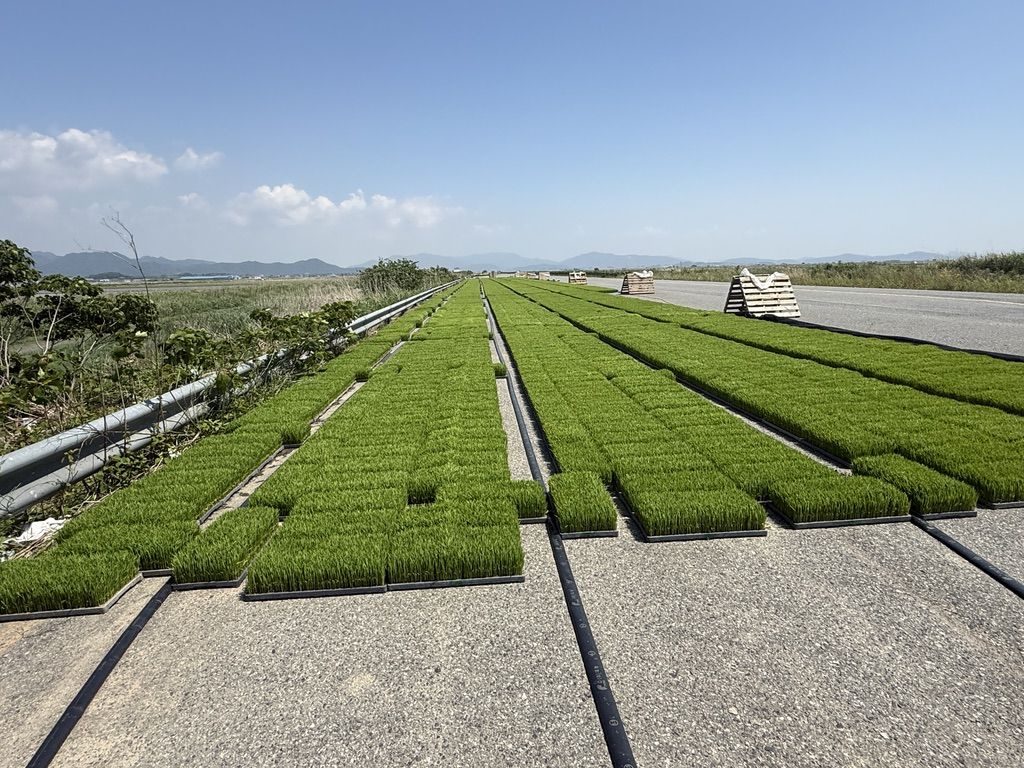
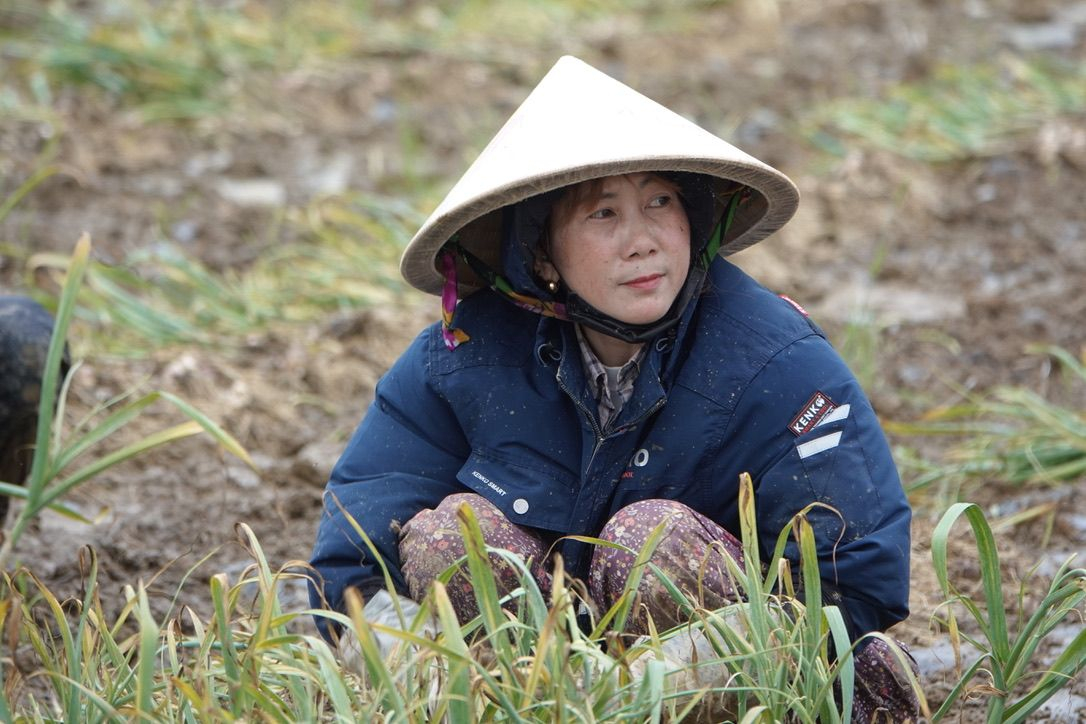
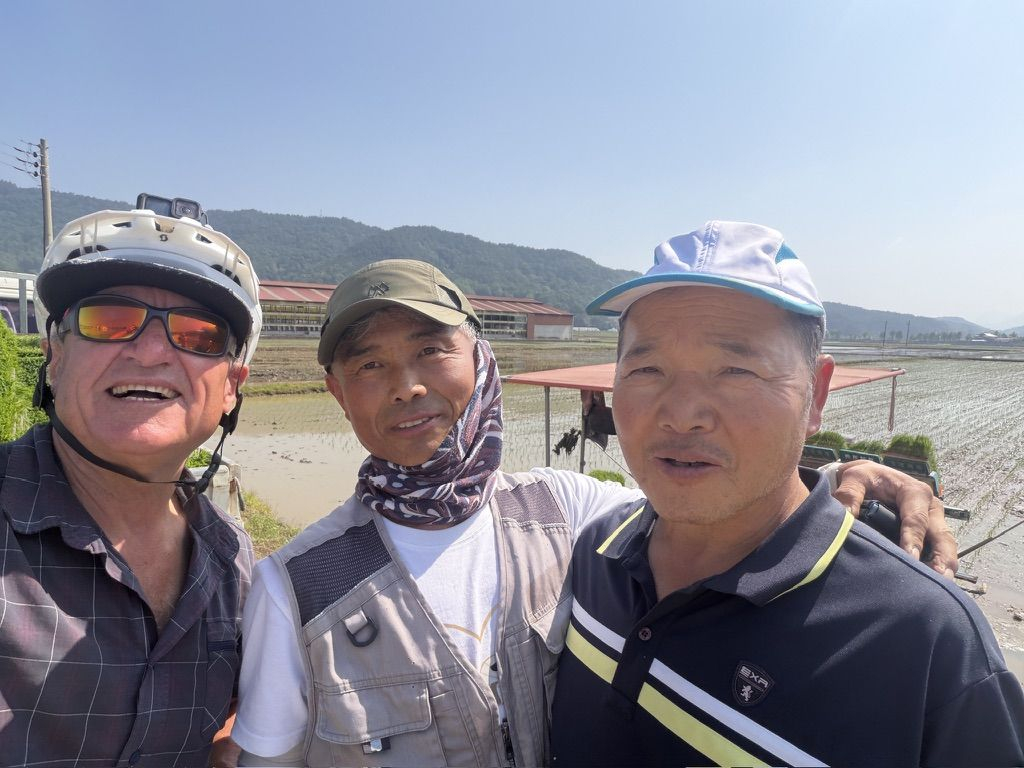
A long break with two rice farmers. It’s quite a difficult job; they have to maneuver the machine, which is equipped with steel wheels to maintain good traction in the rice paddies. These days, farmers mechanize all their rice plantings; however, thinning the seedlings still requires manual intervention. That day, the farmers invited us to share a meal. (A video about rice cultivation in Korea will be available soon.)
Mokpo, a seaside town
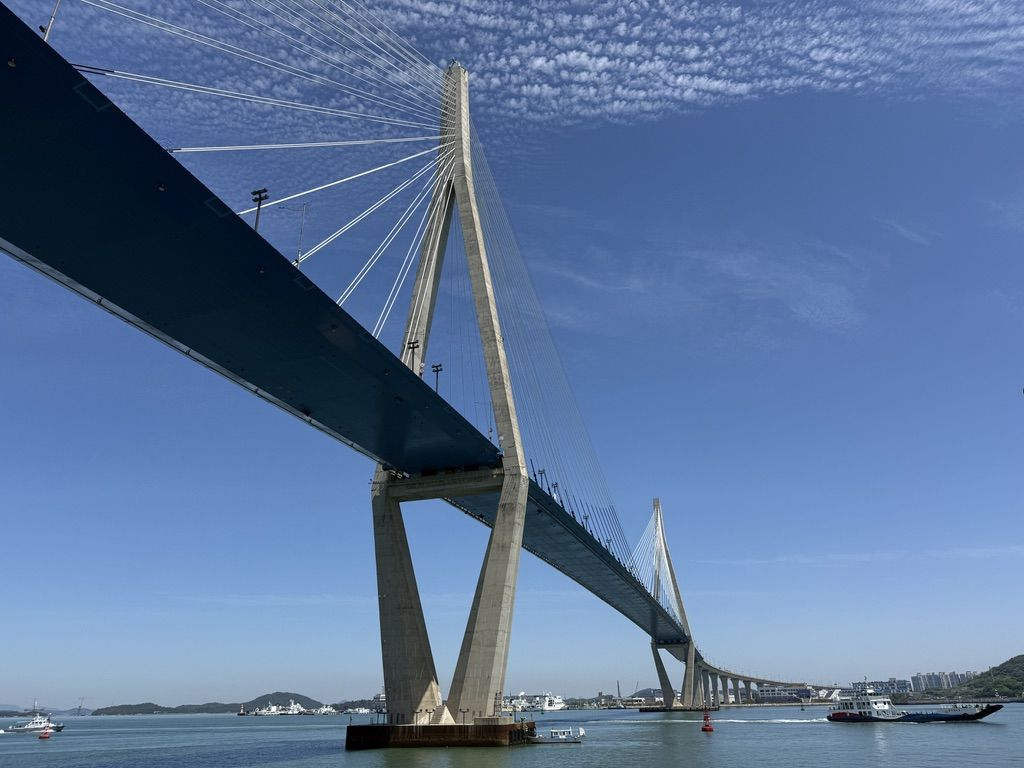
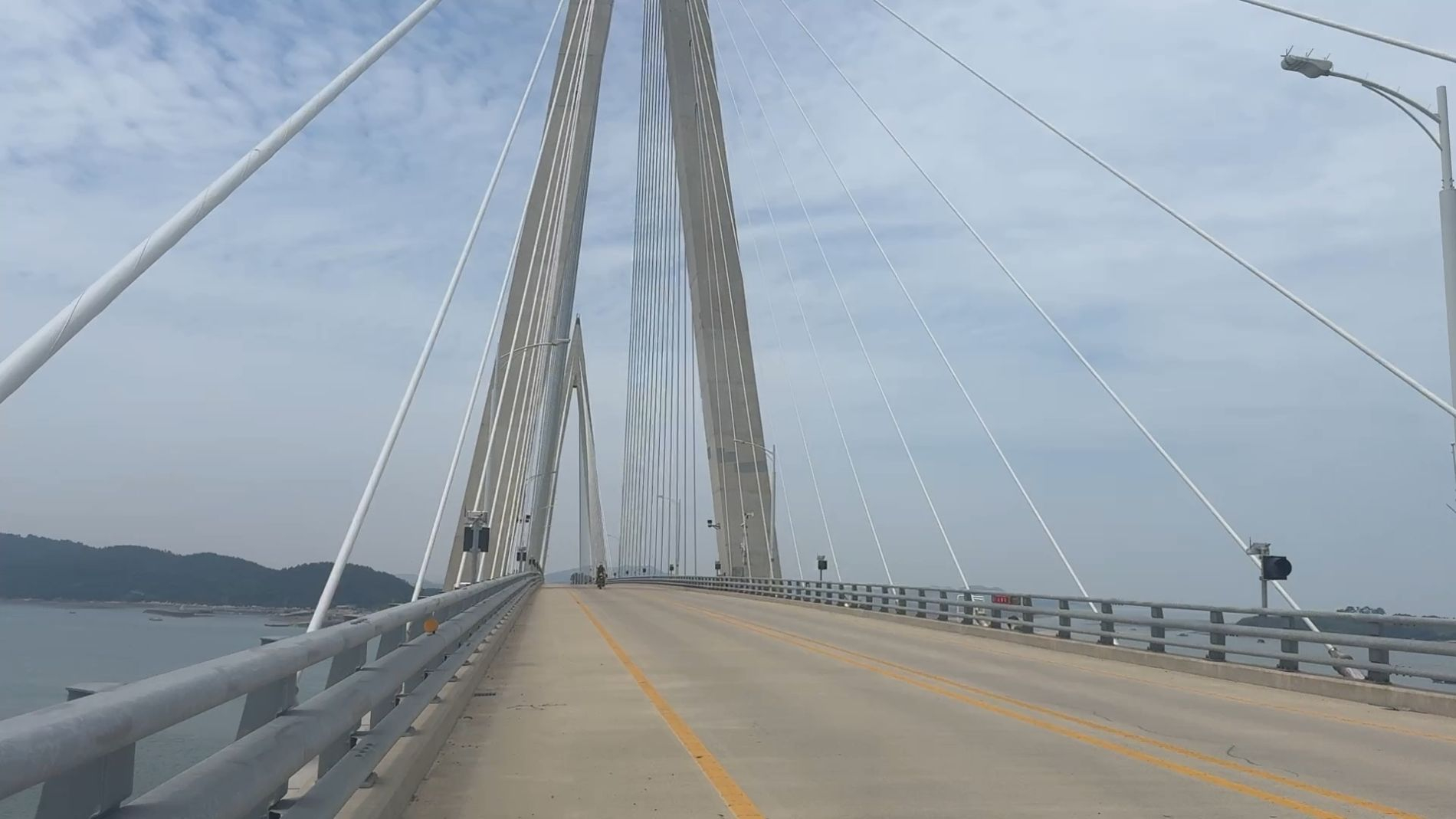
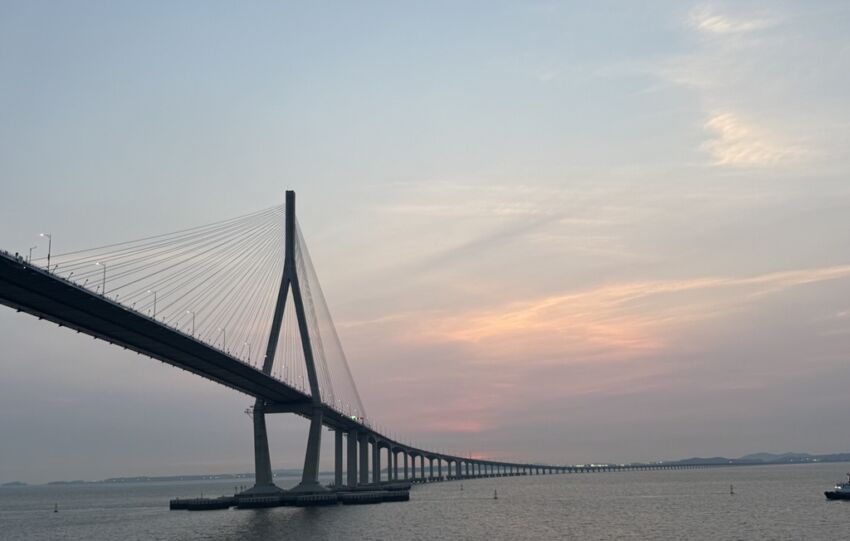
We end our day in Mokpo. It is difficult to reach this town since the bridge that provides access is closed to bicycles.
Mokpo is a pleasant town located on the shores of the Yellow Sea. In the evenings, the beach is quite lively. The sunny weather makes it even more enjoyable.
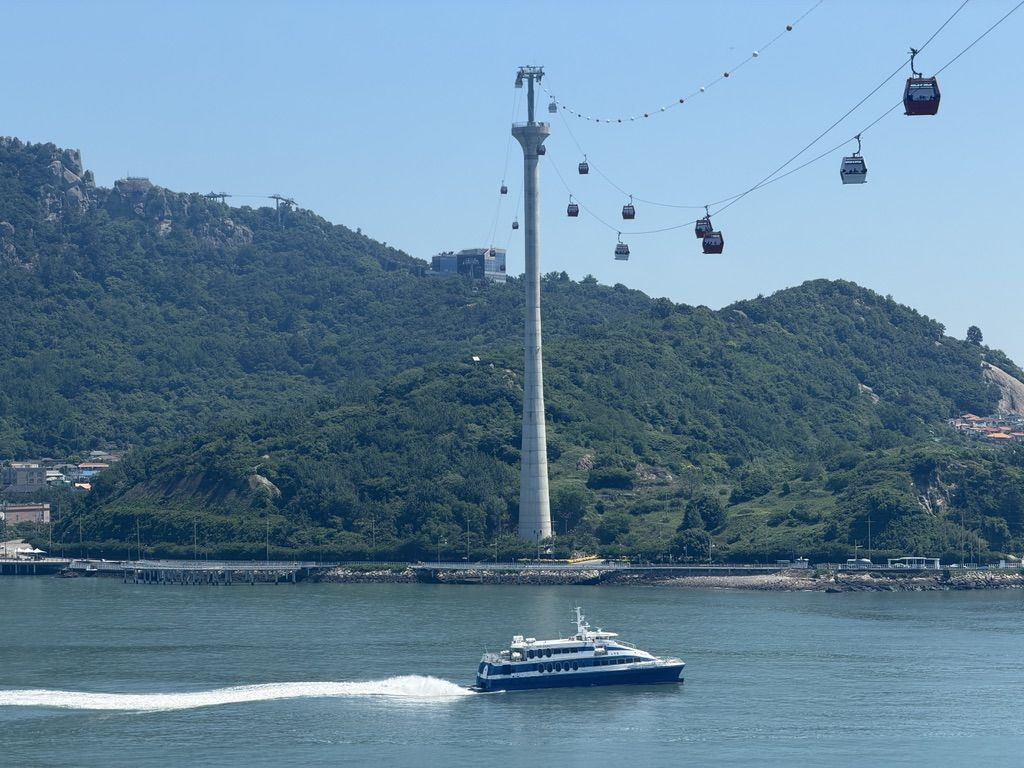
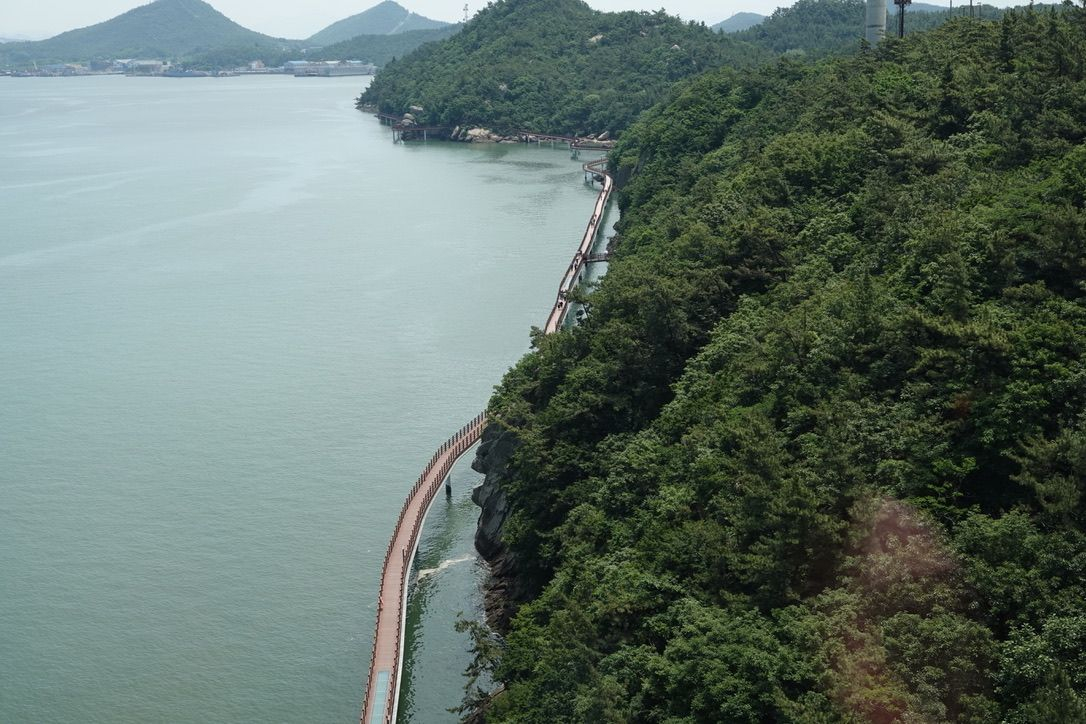
We took advantage of a day off in Mokpo to visit the port area. There’s a huge cable car that provides access to a peninsula. Built by a French company, it boasts a record-breaking 900-meter span without any pylons. The area is lovely; you can walk along a walkway built over the sea, offering breathtaking views. The only downside is the number of steps you have to climb.
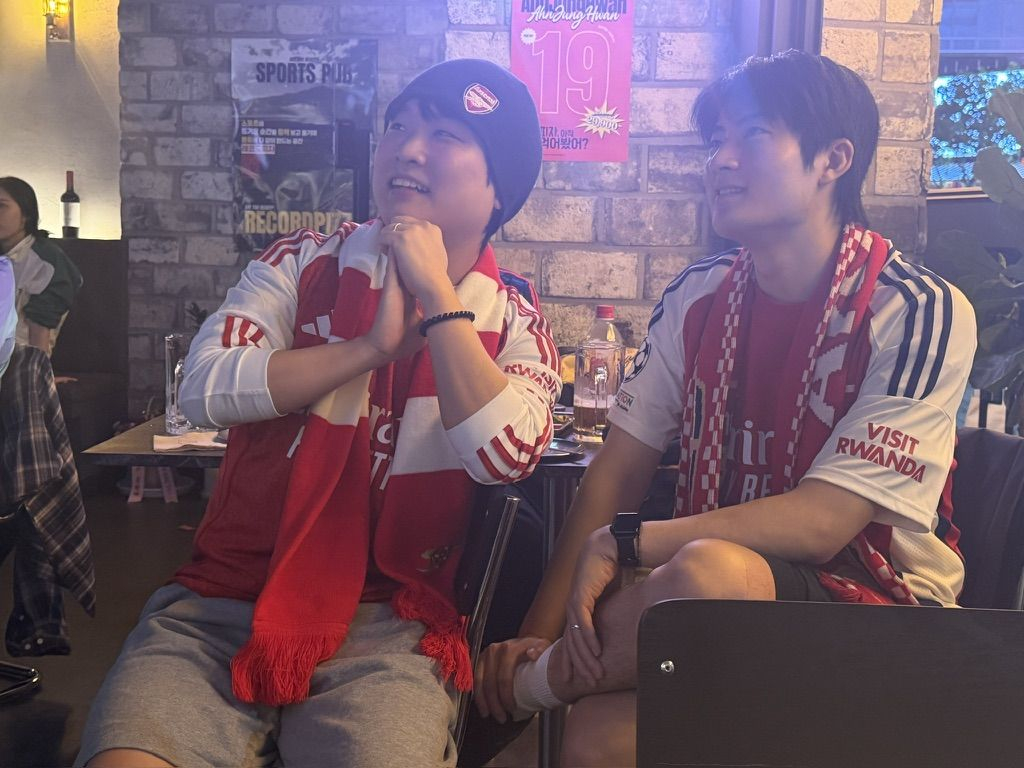
We spent our last evening in Mokpo, in a pub showing the Champions League final between PSG and Arsenal. (Football fans will understand). Although the Koreans were mostly rooting for the English side, the atmosphere was very sporting and friendly. At the end of the match, everyone applauded PSG’s victory. It was a short night because, due to the time difference, the match finished around 4 a.m.
Transition routes
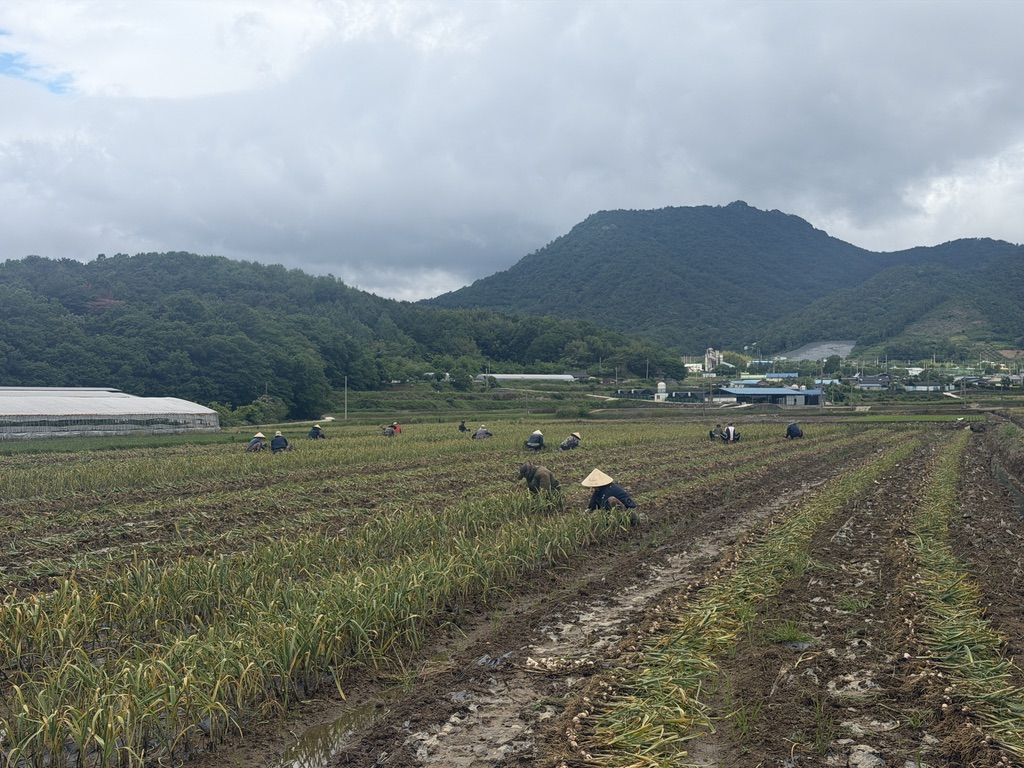
For the next 6 days we are in a part of Korea where there are mainly crops and mainly rice paddies.
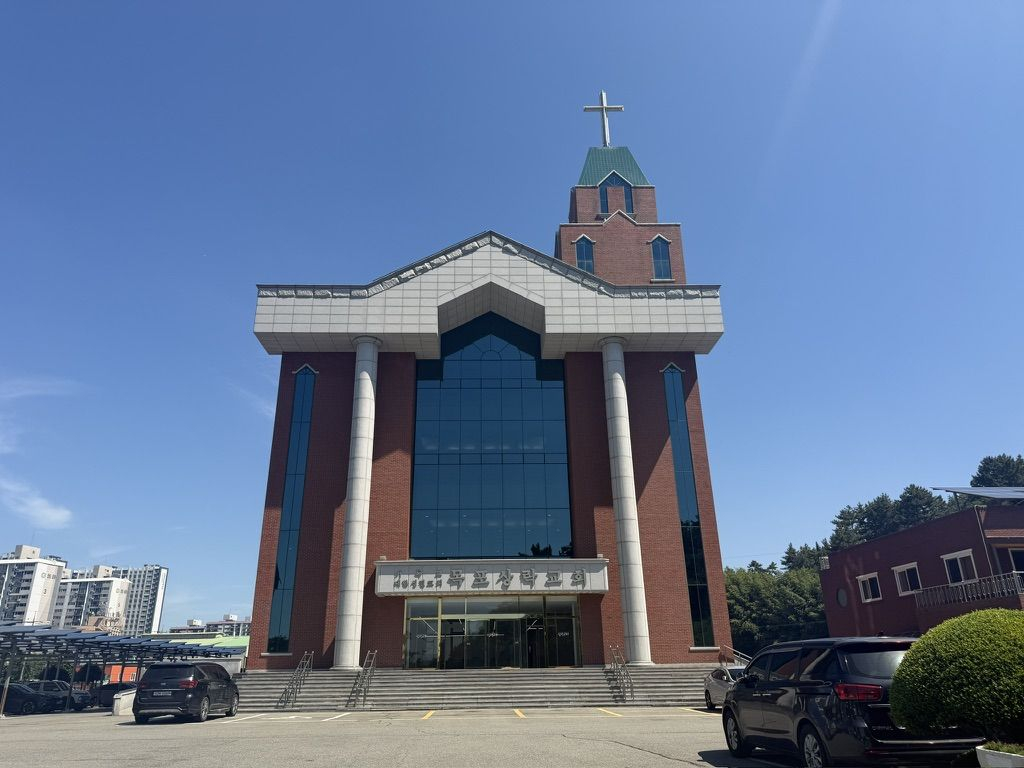
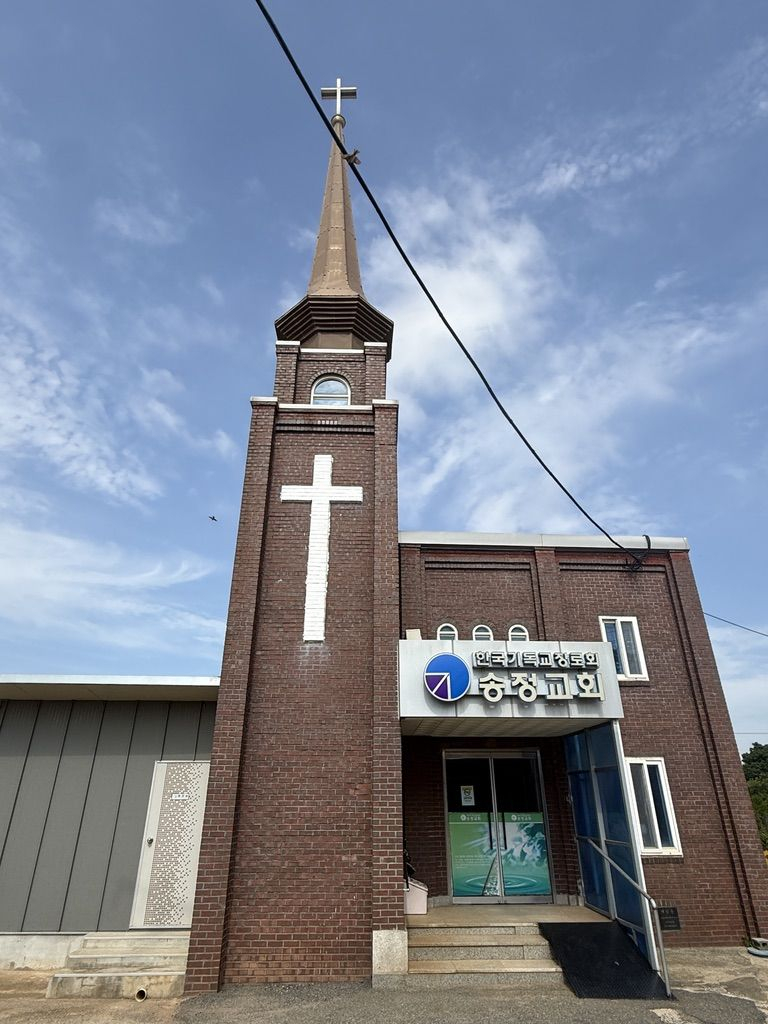
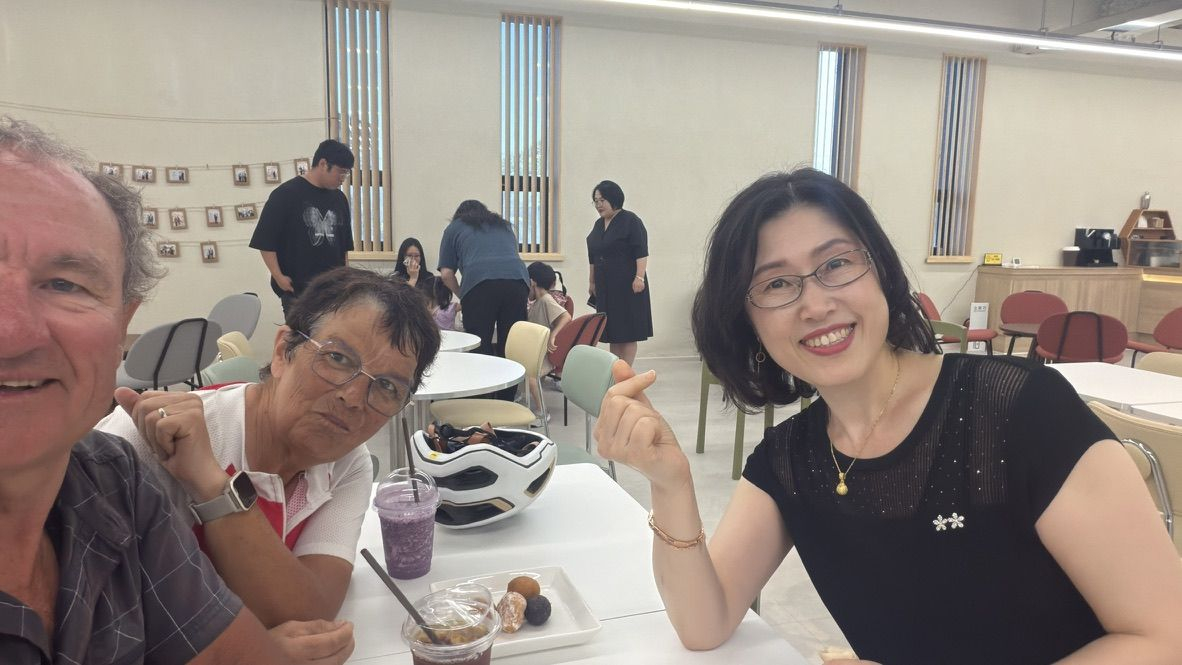
An area where we also saw many villages with Protestant churches. We were able to stop at some, but many are generally closed. Nevertheless, when there are people around, it We are often welcomed with drinks and sometimes cakes.
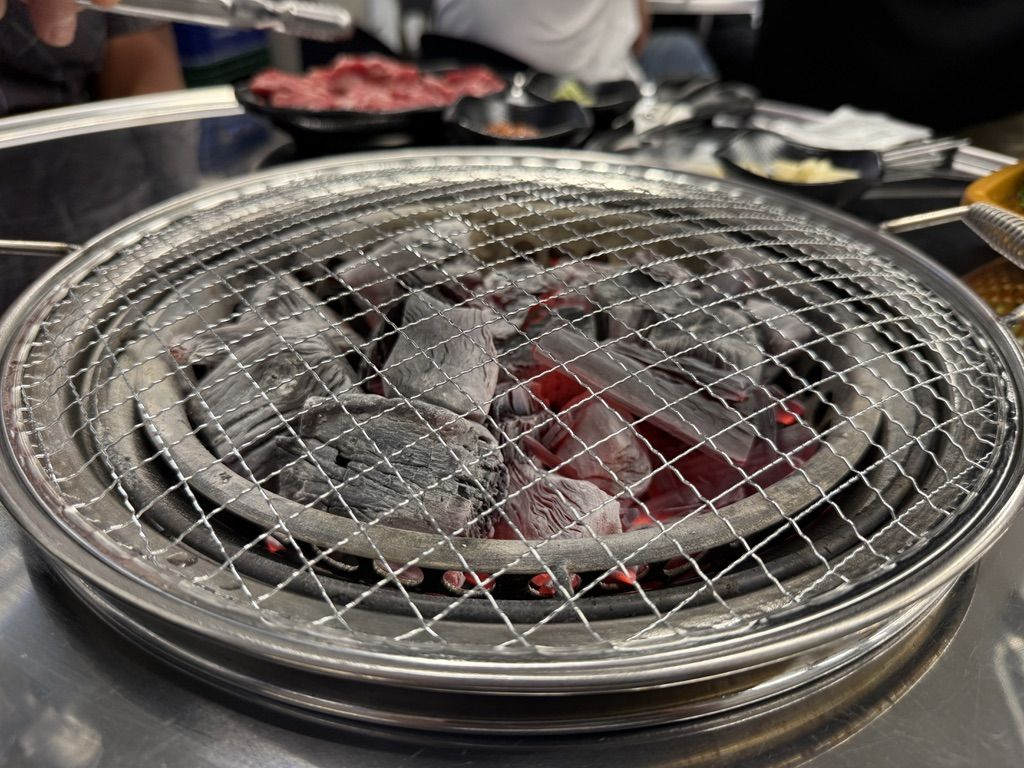
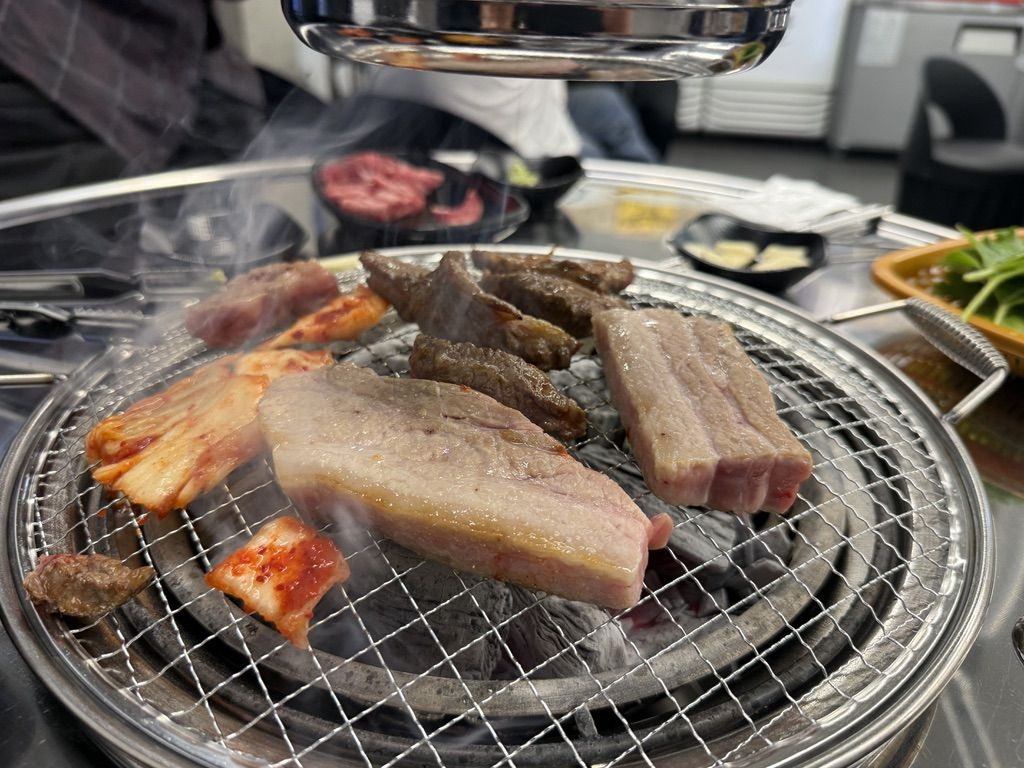
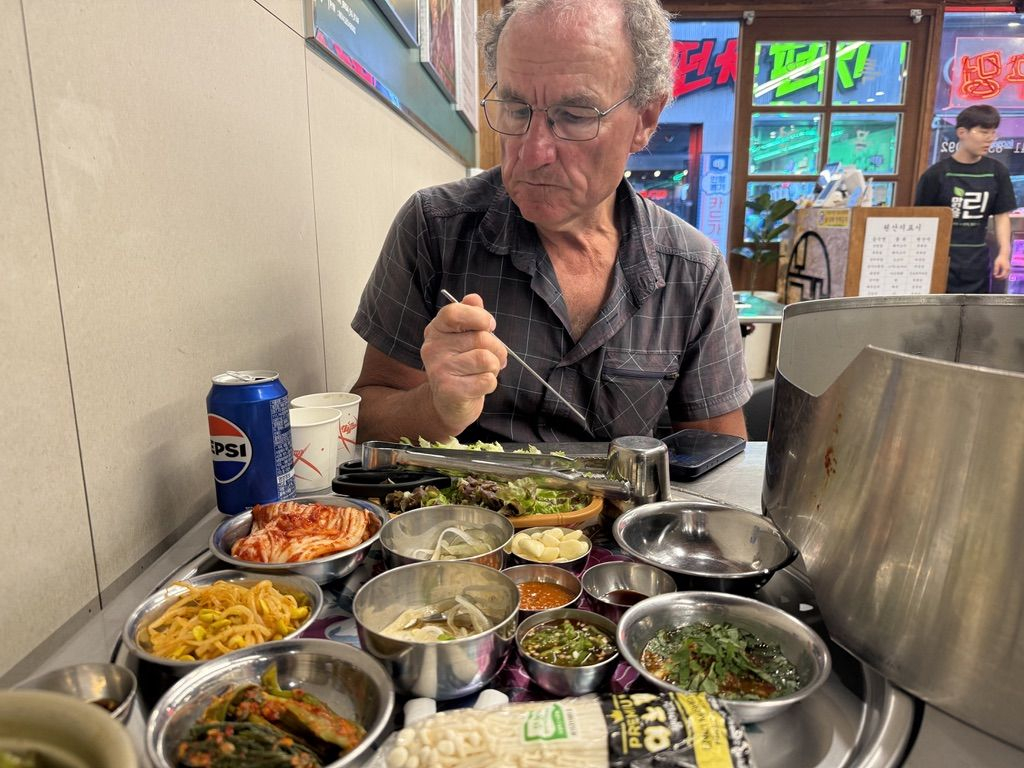
In the town of Buan, a very ordinary town, we tried a few dishes, including the grill. It’s a barbecue on the table where you cook your meat, which you then eat wrapped in a lettuce leaf with all sorts of ingredients, usually spicy.
Branching off towards the center of the country
On Wednesday, June 3rd, we left the shores of the Yellow Sea to head inland and rejoin a bike path that would take us to Seoul. We were still surrounded by rice paddies. The rice planted a few weeks ago was starting to grow well.
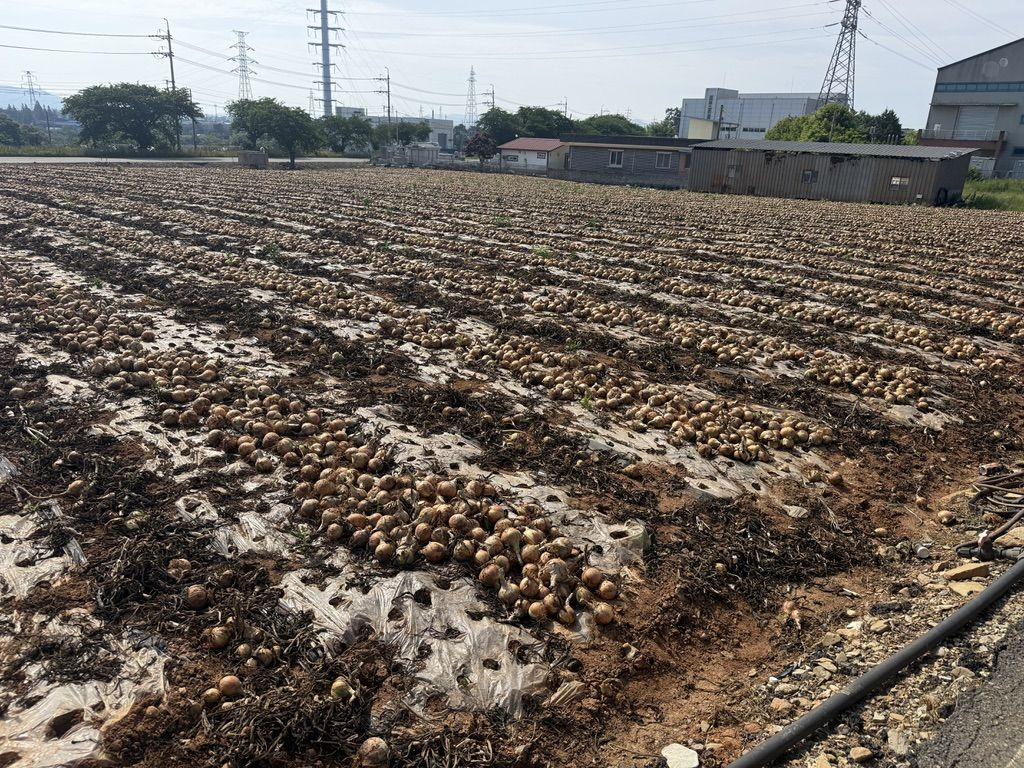
The harvests have also begun.
Geumgjang River
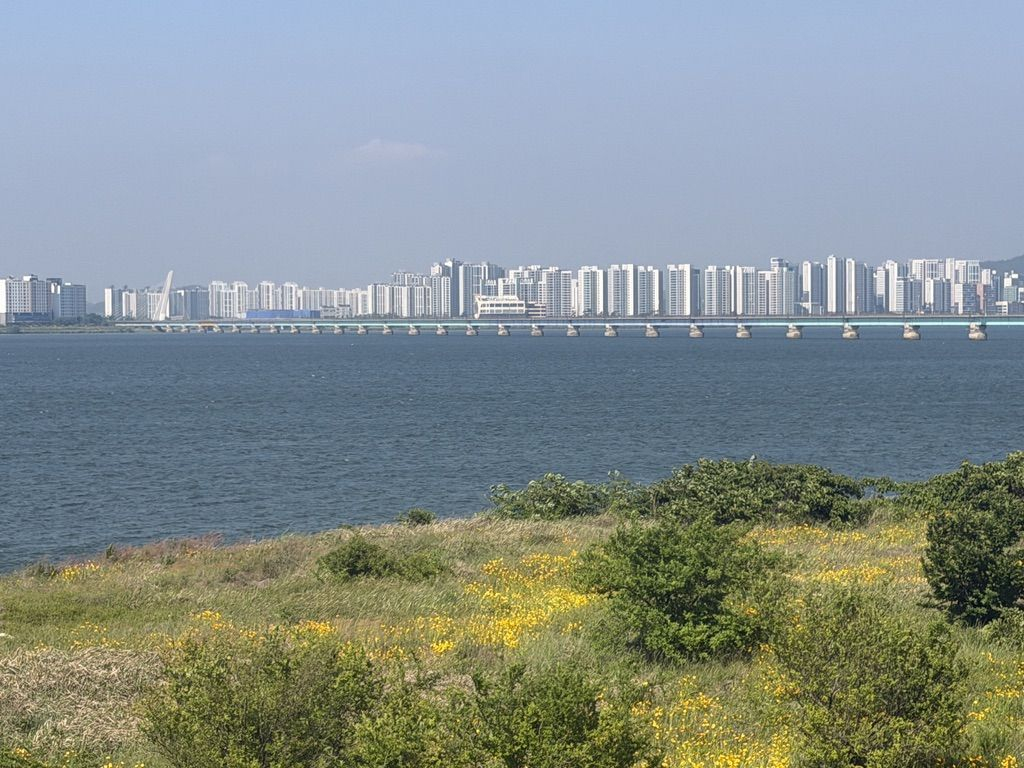
The next two days we followed the Geumgjang River. It was very pleasant because there’s a long bike path with beautiful scenery. We encountered very few people, and mostly locals. It’s clearly not the most visited place in Korea, but the setting is pleasant and peaceful. The only important monuments we saw didn’t have English translations, and it was often difficult to identify them. A shame, because some are impressive and certainly of interest to the country.
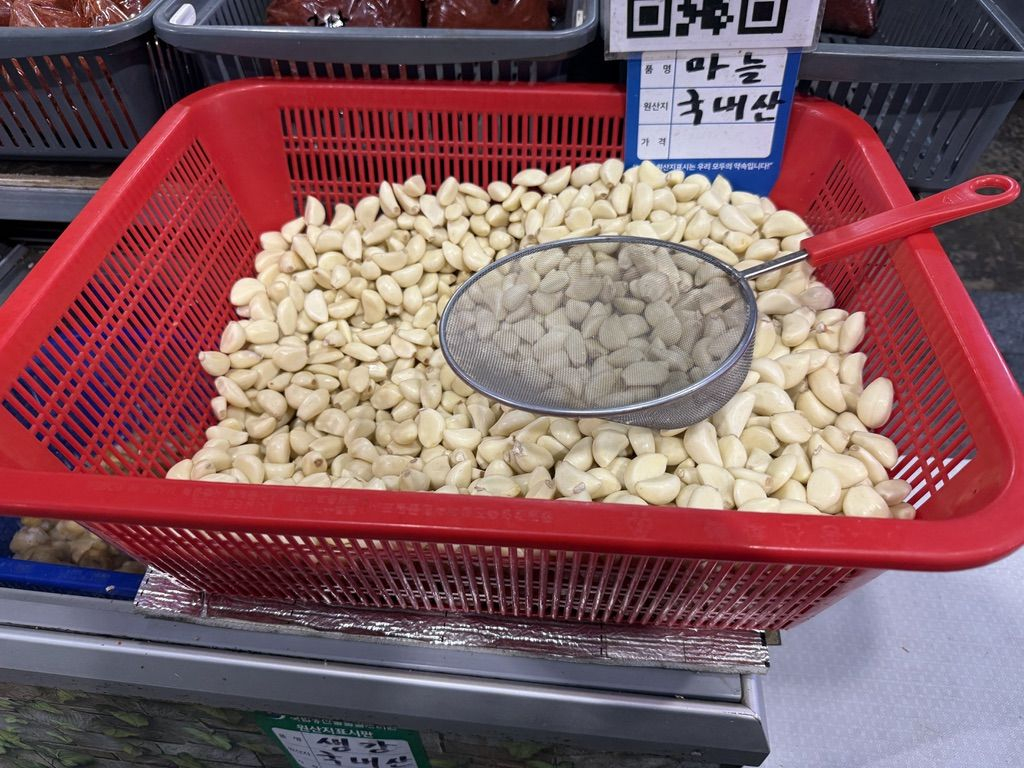
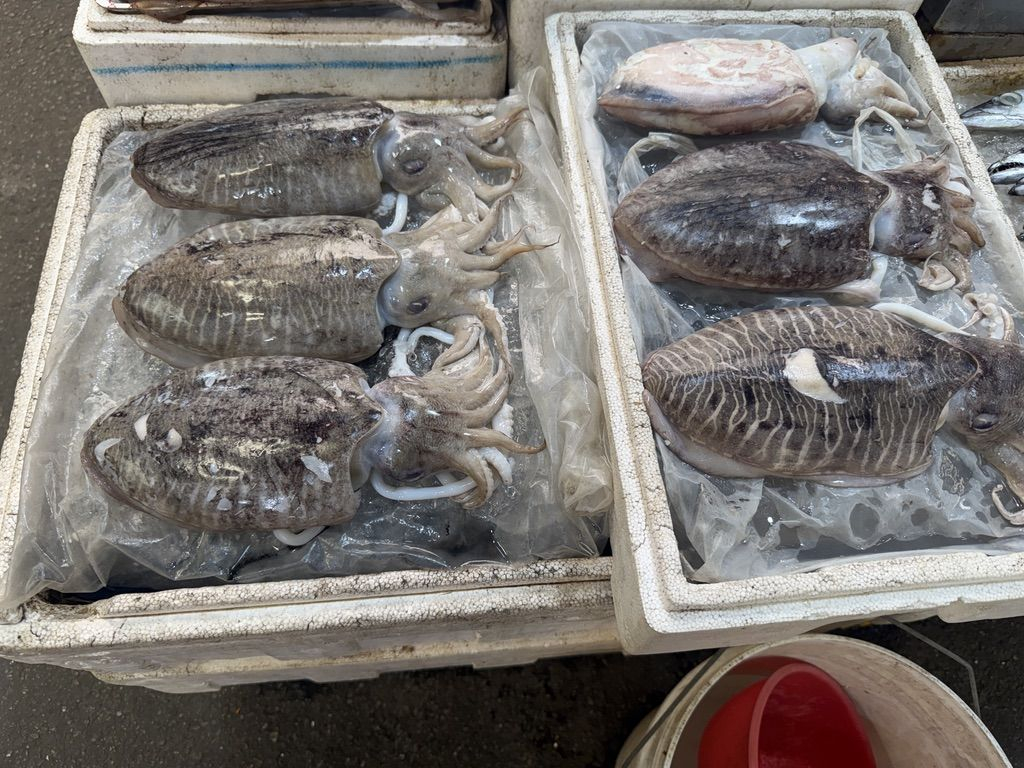
June 5th, we ended our day in Cheongju, where we decided to take a day off. It’s a city of nearly 900,000 inhabitants and home to the Yukgeori Market, where you can find all kinds of local products. To give you an idea of the market’s size, there are approximately 1,600 shops and 4,000 vendors, many of whom are street vendors.
Did you know: In Korea, military service is mandatory and lasts 18 months. The first six weeks are a period of total isolation, with no possibility of communication with the outside world. During this phase, the use of telephones is strictly prohibited.
The Korean philosophy of ” Ppalli-Ppalli, ” which literally means “quick, quick,” is a philosophy of life and a pillar of South Korean culture. It embodies the constant pursuit of efficiency, speed, and action in all aspects of daily life.
Meetings
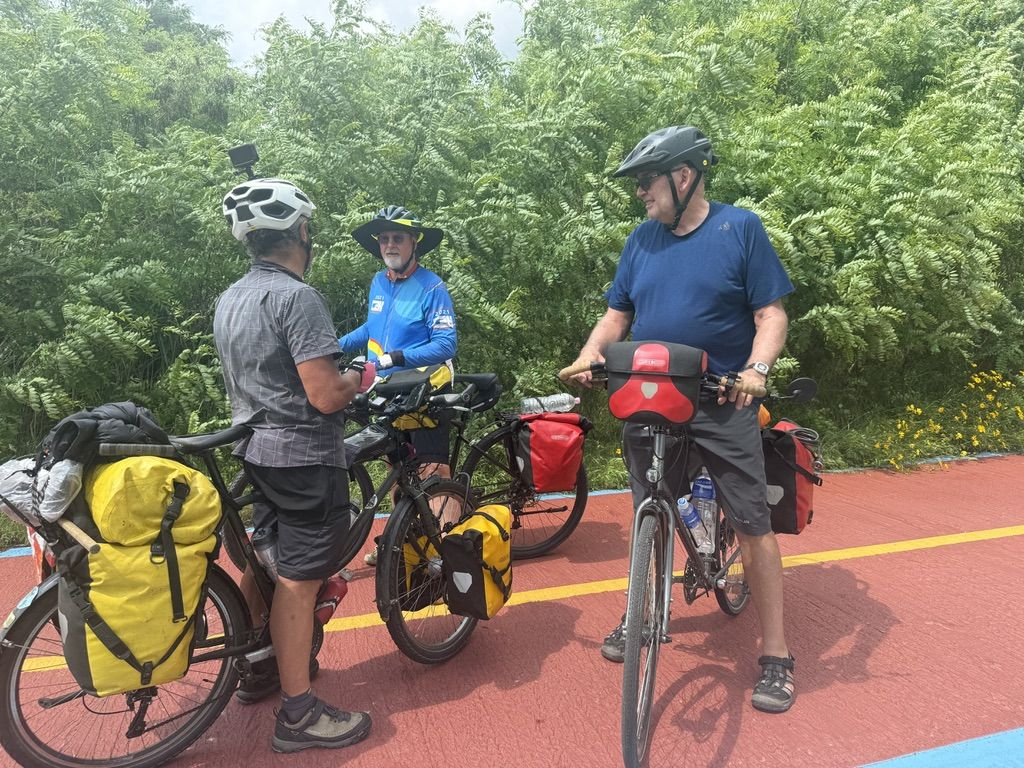
- Two Australians
- A pastor’s wife who offers us a snack
- Rice farmers
- Arsenal football team supporters
Route: We covered 577km from May 26th to June 5th. Find the route map by clicking HERE